Law

Separation of Powers Under Strain: Inside New Zealand’s Battle Over Climate Lawsuits
In a dramatic confrontation between Parliament and the judiciary, the coalition government has moved to shut down common law climate litigation. The Climate Change Response (Tort Liability) Amendment Bill, introduced under urgency in Wellington, retrospectively bars civil claims against major greenhouse gas emitters. In response, Māori elder Mike Smith has launched a fresh High Court battle, accusing the Crown of an unlawful constitutional overreach designed to protect corporate polluters.

Aus für Billig-Pakete: Zollfreigrenze von 150 Euro fällt ab dem 1. Juli
Das Zeitalter zollfreier Schnäppchen aus Fernost ist vorbei. Zum 1. Juli 2026 entfällt in Deutschland und der gesamten Europäischen Union die bisherige 150-Euro-Freigrenze für Online-Bestellungen aus Drittstaaten. Um die Flut an Billigsendungen über Plattformen wie Temu und Shein einzudämmen, greift ab sofort eine Pauschale von drei Euro pro Warenkategorie. Auf Millionen Verbraucher kommen spürbare Mehrkosten und Überraschungen an der Haustür zu.
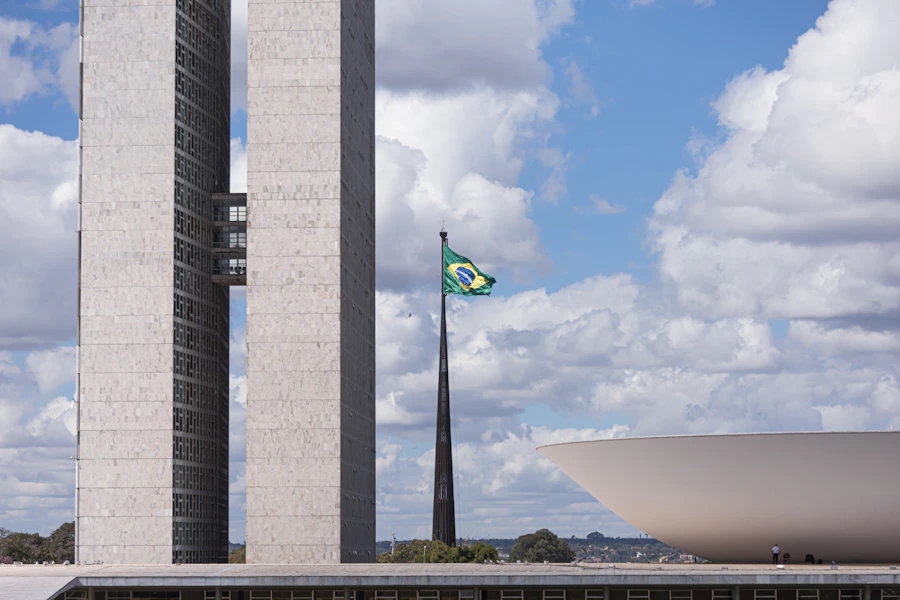
O Golpe que Sempre Volta: O Confronto Constitucional do Brasil sobre a Lei de Dosimetria
O Congresso brasileiro aprovou uma lei que reduziria a pena de 27 anos de Jair Bolsonaro para menos de três anos. O presidente a vetou. O Congresso derrubou o veto. Em seguida, o Supremo Tribunal Federal a suspendeu. A batalha constitucional sobre o significado de punir uma tentativa de golpe ruma agora para un julgamento em plenário — e o desfecho definirá a democracia brasileira por uma geração.
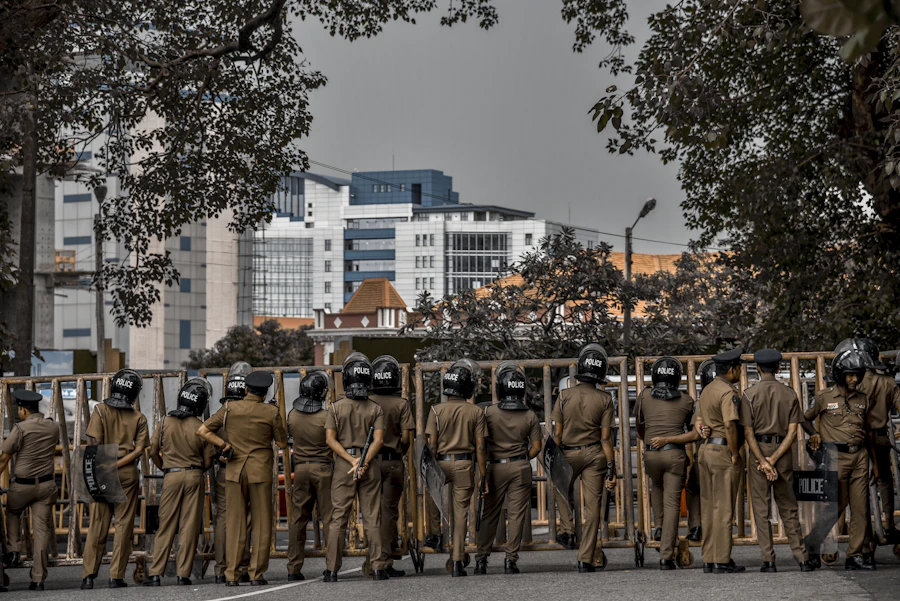
Two Years Later: How India’s New Criminal Codes are Reshaping Public Justice
On July 1, 2026, India marked exactly two years since it did the unthinkable: tearing up its 150-year-old colonial criminal codes overnight. The transition from the British-era IPC and CrPC to the new BNS, BNSS, and BSA was billed as a historic leap toward a faster, more digitized justice system. Now, two years into this legal overhaul, fresh government performance data reveals a striking divide between high-tech policing successes and the grinding reality of courtroom confusion.

Het einde van de schijnconstructie: Hoe de Belastingdienst de arbeidsmarkt opschudt
De gouden eeuw van ongebreideld freelancen in Nederland is definitief voorbij. Na het beëindigen van het jarenlange handhavingsmoratorium controleert de Belastingdienst bedrijven nu actief op schijnzelfstandigheid. Nu naheffingen en forse vergrijpboetes met terugwerkende kracht worden opgelegd, haasten opdrachtgevers en zzp'ers zich om contracten aan te passen aan de nieuwe, harde juridische realiteit.

Unclogging the Pipeline: An Explainer on the Philippines’ New ARROW Act
For decades, major infrastructure projects across the Philippines have been stalled not by a lack of capital, but by protracted land disputes. The newly active Republic Act No. 12289, or the Accelerated and Reformed Right-of-Way (ARROW) Act, is turning out to be the most important legal breakthrough for the country's development in a generation. By streamlining land acquisition and extending powers to private builders, the law aims to secure the execution of ₦2.81 trillion in public-private partnerships.

Kodi Kwenye Mizani ya Sheria: Omtatah na LSK Waifikisha Sheria ya Fedha ya 2026 Kortini
Wino kwenye saini ya Rais William Ruto bado haujakauka vizuri, lakini tayari Sheria mpya ya Fedha ya mwaka wa 2026 inakabiliwa na dhoruba kali ya kisheria katika Mahakama Kuu ya Nairobi. Katika hatua iliyochukuliwa mara tu baada ya sheria hiyo kuanza kutumika tarehe 1 Julai 2026, Seneta wa Busia na mtetezi wa haki za kibinadamu Okiya Omtatah, akishirikiana na Chama cha Wanasheria nchini (LSK), wamewasilisha kesi ya dharura kupinga uhalali wa sheria hiyo ya kodi. Kesi hii ya kihistoria inaiweka serikali kwenye mtego mwingine mkubwa wa kisheria kuhusu ushiriki wa umma na usawa wa kodi.

A Toothless Watchdog: Why the ConCourt Ruling on the SAHRC Leaves the Vulnerable Thirsty
Following a unanimous ruling by the Constitutional Court on April 22, 2026, the South African Human Rights Commission has been stripped of any claim to binding enforcement powers. Settling the long-running dispute in South African Human Rights Commission v Agro Data CC, the apex court on Constitution Hill declared that the commission's role is facilitative rather than coercive. While legally sound, this decision represents a crushing blow for farm occupiers and marginalized communities, proving that our human rights watchdog must now fight a war of attrition in our congested civil courts.
Grundsatzurteil des BGH: KI-Beweise im Strafprozess nur noch bei vollständiger Offenlegung zulässig
Der Bundesgerichtshof (BGH) hat ein weitreichendes Urteil zur digitalen Forensik gefällt: Durch Künstliche Intelligenz generierte Beweismittel unterliegen künftig einem strikten Beweisverwertungsverbot, wenn die zugrunde liegenden Trainingsdaten und Algorithmen nicht lückenlos offengelegt werden. Die Entscheidung setzt europaweit neue Maßstäbe für Strafverfahren.
A Constitutional Collision: Inside New Zealand’s Urgent War Over Corporate Climate Liability
The Beehive’s decision to ram through a radical shield for corporate polluters under urgency has triggered a constitutionally explosive legal counter-offensive. Pushed through its first reading on Thursday 2 July 2026, the government's new Climate Change Response (Tort Liability) Amendment Bill aims to permanently block individuals and iwi groups from suing major greenhouse gas emitters under common law. Now, the battle has taken a dramatic turn: on 7 July 2026, prominent Māori leader Mike Smith filed fresh proceedings in the High Court, challenging the very lawfulness of this urgent legislative maneuver.