Health


Canada Just Redefined What "Free Healthcare" Means — and Virtual Care Companies Are Scrambling
Starting April 1, 2026, Canada's federal government says charging patients for a nurse practitioner visit is the same legal violation as charging them for a doctor's visit. The policy closes a loophole that virtual care platforms and private clinics have used for years — and it's forcing a quiet reckoning over what "medically necessary" actually means under the Canada Health Act.

Au Sénégal, la chaîne du froid vaccinale mise sur le soleil pour tenir ses promesses
Entre l'arrivée du vaccin hexavalent et la modernisation solaire des postes de santé, le Sénégal tente de refermer une faille vieille comme la vaccination elle-même : celle du réfrigérateur qui lâche avant le patient.

Free Healthcare for All? The Reality Behind Ghana’s New Primary Care Experiment
In a bold bid to dismantle financial barriers in public medicine, President John Dramani Mahama has officially launched Ghana’s landmark Free Primary Healthcare policy. The ambitious program promises cost-free essential services at local clinics without requiring insurance premiums. But as the government attempts this massive transition toward preventive care, experts wonder if the country’s fragile economy can truly bankroll a medical system free of charge.

21 Hyvinvointialueesta Riittäisikö 6–11? Suomi Käynnistää Parlamentaarisen Työn Sote-mallin Tulevaisuudesta
Kolme vuotta sote-uudistuksen voimaantulon jälkeen Suomi arvioi uudelleen, onko 21 hyvinvointialuetta oikea määrä. Joulukuussa 2025 julkaistu niin kutsuttu Erholan raportti suosittelee, että alueiden määrää tulisi arvioida uudelleen — asiantuntijaryhmän mukaan 6–11 aluetta voisi riittää. Maaliskuussa 2026 pääministeri Petteri Orpo ilmoitti eduskunnalle, että hallitus asettaa parlamentaarisen työryhmän pohtimaan asiaa, ja työn tulokset muokkaavat suomalaista terveydenhuoltoa vuosiksi eteenpäin.
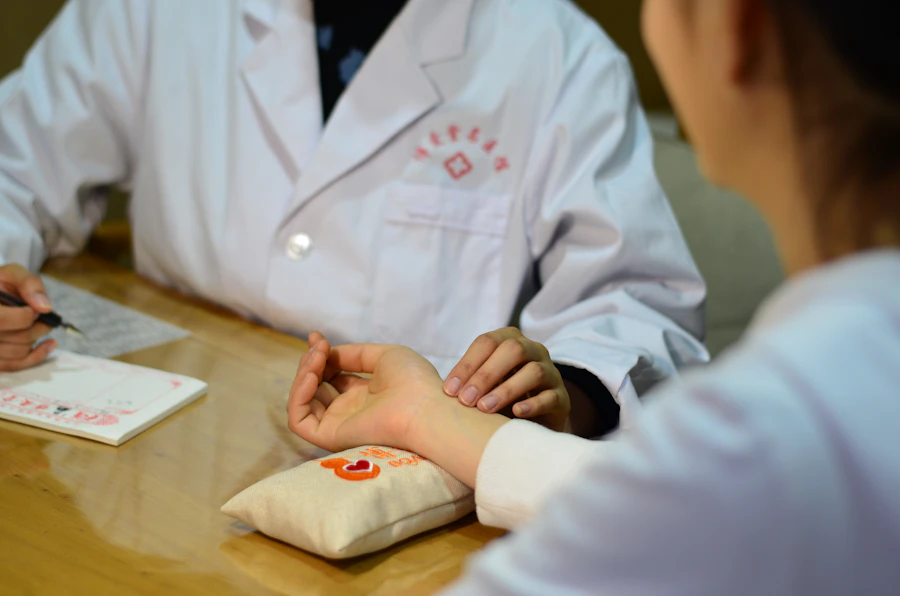
命を繋ぐデジタル:日本が「標準電子カルテ」で挑む医療DXの最前線
2026年6月26日、デジタル庁は超高齢社会の未来を左右する新たな一歩を踏み出した。「標準電子カルテ」の導入バージョン開発に向けたプロダクトワーキンググループが本格始動。全国の病院やクリニックごとに分散されていた医療データを1つのインフラで結びつける、国家級の「医療DX(デジタルトランスフォーメーション)」が動き出している。高齢者人口が3割に迫る日本において、このデータ連携は単なる業務のデジタル化ではなく、崩壊寸前の医療制度を守るための命綱だ。

ኢትዮጵያ የጤና ኤክስቴንሽን ሠራተኞችን በዲጂታል ቴክኖሎጂ እያጠናከረች ነው፤ አርቴፊሻል ኢንተለጀንስም ወደ መስኩ እየገባ ነው
ከ40,000 በላይ የጤና ኤክስቴንሽን ሠራተኞች ባሉባት ኢትዮጵያ፣ የኤሌክትሮኒክ የማህበረሰብ ጤና መረጃ ስርዓት (eCHIS) ስርጭት እየሰፋ ሲሆን፣ በ2026 ደግሞ አርቴፊሻል ኢንተለጀንስ ላይ የተመሠረቱ የድጋፍ መሣሪያዎች ወደ መስኩ መግባት ጀምረዋል።

두 해를 삼킨 침묵: 대한민국 의료를 마비시킨 타협 없는 치킨게임
2024년 2월 전공의들의 집단 사직으로 시작된 대한민국 의료 대란이 2026년 여름 현재까지 무려 2년 넘게 이어지며 만성적 붕괴 상태로 고착화되었다. 정부의 의대 정원 2,000명 증원안에 맞선 대한의사협회와 전공의들의 강 대 강 대치가 지속되는 동안, 소아청소년과와 산부인과 등 기피 과목의 필수의료는 사실상 산소호흡기를 뗀 상태다. 단순한 정원 조정을 넘어 의료 수가 체계의 왜곡과 지방 의료 붕괴라는 본질적인 병폐를 외면한 채 평행선을 달리는 정부와 의료계의 갈등을 강점과 한계, 그리고 근본적 원인을 통해 입체적으로 분석한다.
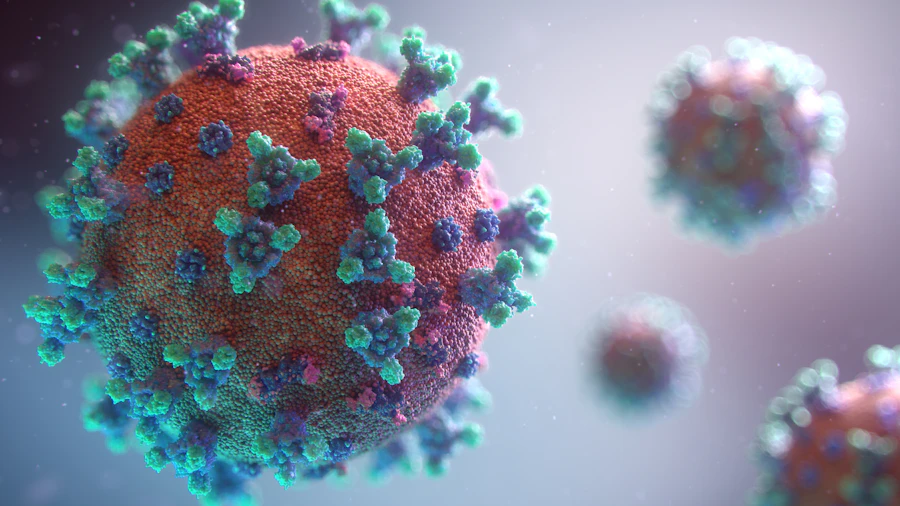
Ghana Becomes First Country to Deploy Next-Generation mRNA Malaria Vaccine at National Scale
A new mRNA-based malaria vaccine developed by the University of Oxford and BioNTech, showing 89 percent efficacy in Phase III trials, has entered Ghana's national immunisation schedule for children under five — potentially transforming the outlook for a disease that kills 600,000 people annually.
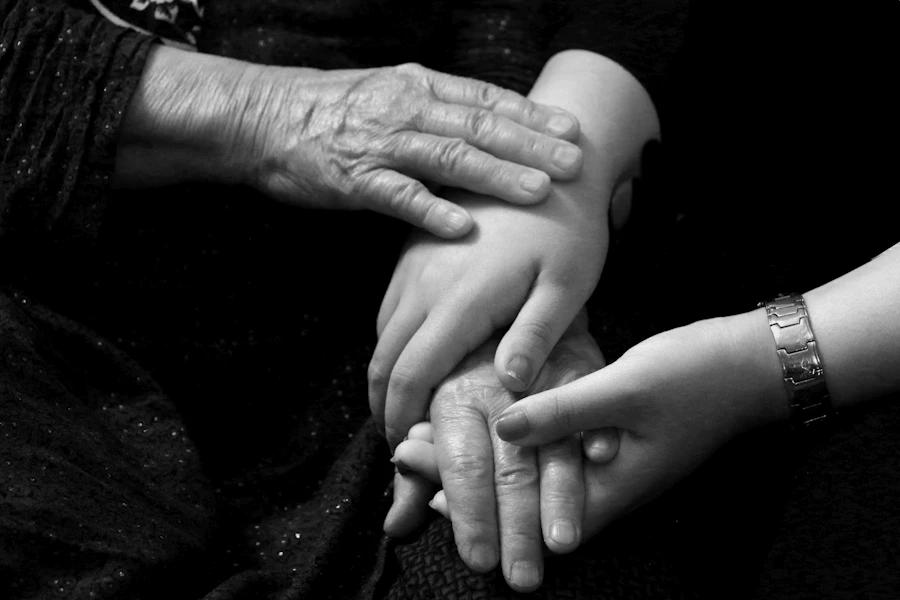
Lares de Improviso: A Crise Invisível dos 3500 Idosos Saudáveis Retidos nos Hospitais do SNS
Os números oficiais são devastadores e revelam que as camas dos hospitais públicos portugueses transformaram-se, por força da necessidade, em lares de idosos improvisados. Numa audição parlamentar realizada a 8 de julho de 2026, o Secretário de Estado da Gestão da Saúde, Francisco Catalão, confirmou que cerca de 3500 doentes com alta clínica continuam retidos nos hospitais do Serviço Nacional de Saúde (SNS) por falta de vagas em lares ou na rede de cuidados continuados. Esta ocupação forçada de quase 14 por cento da capacidade hospitalar do país expõe o colapso de uma resposta social que falha em proteger a população mais envelhecida.
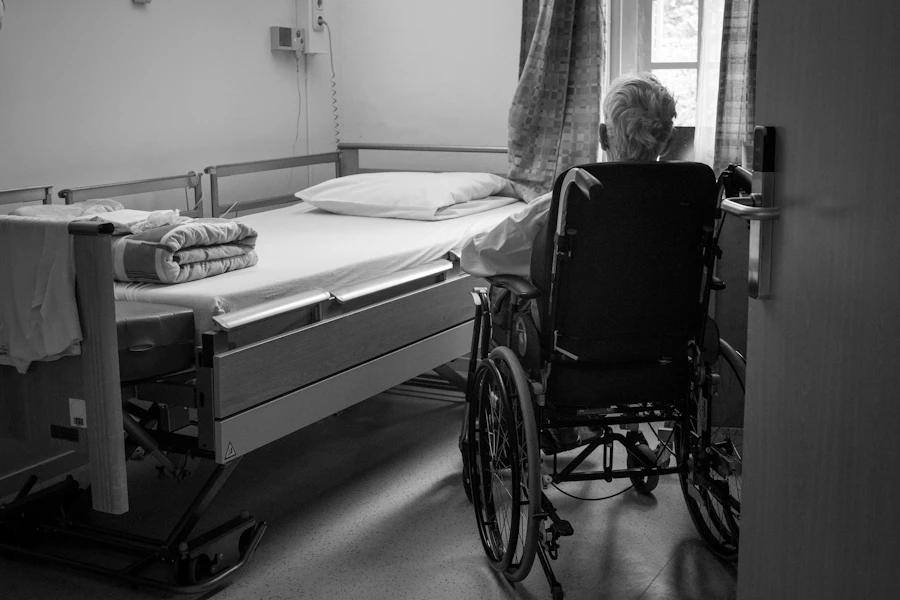
Grading the Dying: Singapore’s Elder Care Needs More Than Bureaucratic Report Cards
Within just a few weeks of this summer of 2026, Singapore’s Ministry of Health has moved to revoke the operating licences of two prominent nursing homes. In response to these systemic clinical failures, health regulators are debating a public rating system to grade the island's elder care facilities. But as we prepare to brand struggling nursing homes with bureaucratic letters, we must ask if public shaming is a genuine path to dignity, or merely a way to shift the moral burden of our demographic crisis.