Energy
排出される炭素の価格:日本経済が挑む「GX排出量取引」始動の全貌
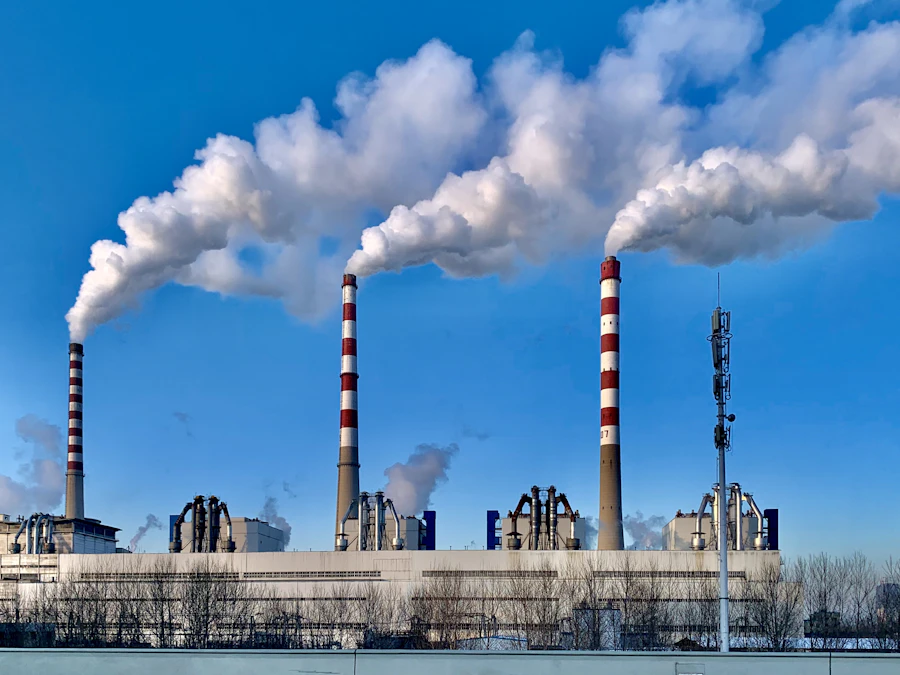
2026年4月1日、日本の気候変動対策と産業界は大きな歴史的転換点を迎えた。グリーントランスフォーメーション(GX)の基本方針に沿って、日本独自の排出量取引制度「GX-ETS」が本格的な義務化フェーズへと移行。年間10万トン以上のCO2を排出する大手企業に対し、排出枠の取引が義務付けられた。二酸化炭素がお金になる。企業の責任は重い。この大改革は、日本経済を低炭素型へと強制的に移行させるための、極めて硬派で実利的な試みである。
Miliband’s Line in the Sand: A Report Card on the North Sea Drilling Moratorium
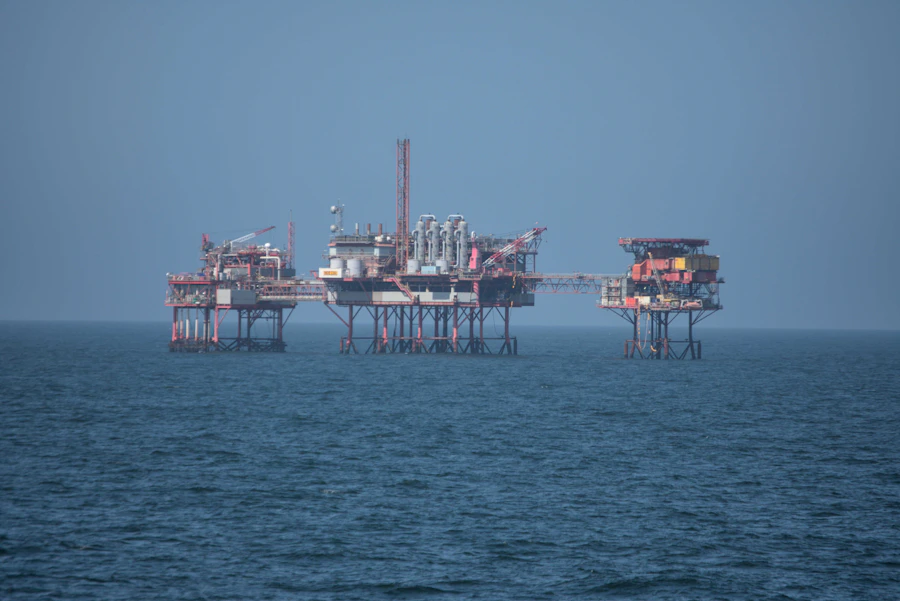
Enforcing a strict freeze on new oil and gas licensing rounds in the North Sea, Energy Secretary Ed Miliband has committed the United Kingdom to its most aggressive decarbonisation stance yet. This bold policy has drawn a sharp line between Westminster’s net-zero ambitions and the economic survival of Scotland's industrial heartlands. We evaluate the long-term strategic consequences of this environmental moratorium, balancing the moral victory of climate leadership against the immediate threat of job losses and increased import dependency.
Milliardenentlastung bei den Energiepreisen: Warum Millionen Bürger trotzdem leer ausgehen
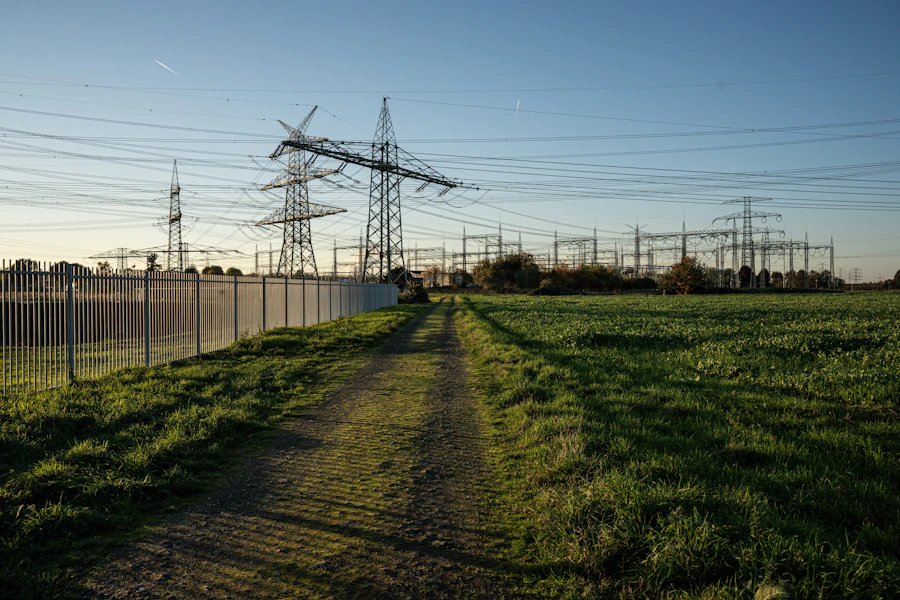
Die Bundesregierung unter Kanzler Merz hat eines der größten Entlastungspakete der Nachkriegsgeschichte geschnürt: Zehn Milliarden Euro pro Jahr an Subventionen, gekappte Netzentgelte, gestrichene Gasspeicherumlage. Ein Durchschnittshaushalt spart rechnerisch rund 160 Euro im Jahr. Der Haken: Viele Verbraucher spüren davon auf dem Konto rein gar nichts. Und die zuständige Wirtschaftsministerin leitete früher selbst einen Energiekonzern.
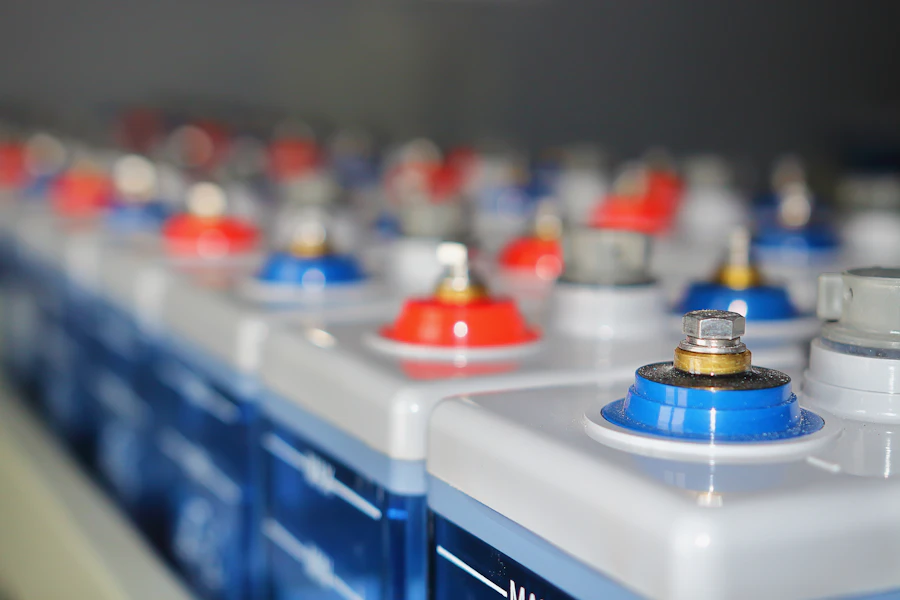
The Battery Shield: How Massive Utility-Scale Storage Saved the Texas Grid from Collapse
As a brutal, triple-digit heatwave bakes the Lone Star State this July 2026, the Texas power grid (ERCOT) is running at record-breaking demand, comfortably passing 85,000 megawatts. Yet, unlike previous summers marked by emergency alerts and localized blackouts, the grid is holding steady. The savior is not a new fossil-fuel plant or a massive hydroelectric dam, but a quiet, rapid deployment of over 10,000 megawatts of utility-scale lithium-ion batteries. This battery-powered shield has fundamentally transformed how Texas survives its peak summer demand.
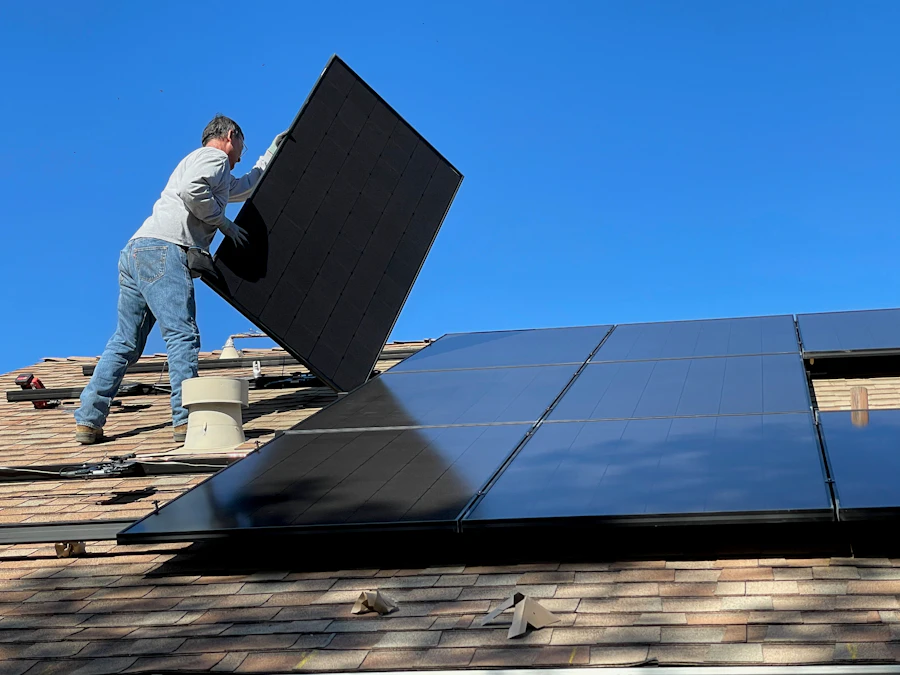
Batteries Are Now Setting Australia's Power Prices More Than Any Other Technology
More than 350,000 Australian households have installed a home battery under the government's subsidy scheme, and new grid data shows batteries charging and discharging now set wholesale electricity prices more often than coal, gas or any other source.
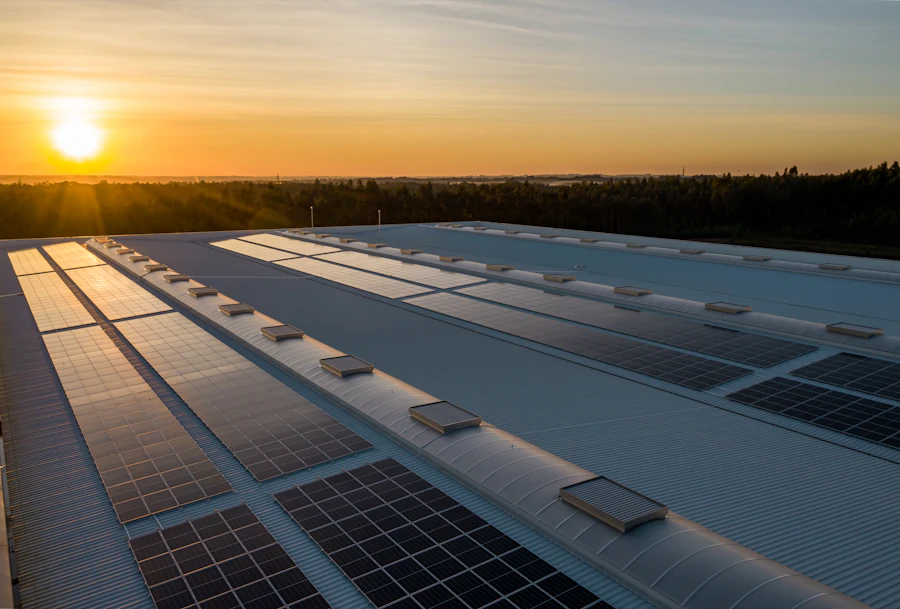
Wasting the Sun: A Report Card on India’s Grid Connection Crisis
While India’s solar and wind deployment is accelerating at a breathtaking pace, the transmission infrastructure meant to carry this clean electricity is buckling under the pressure. A damning May/June 2026 analysis by energy think tank Ember reveals that the country wasted a staggering 300 million units of clean power in the first quarter of 2026 alone due to grid bottlenecks. This report card evaluates whether India's state-backed grid planners can catch up with the corporate green rush or if the country's 500-gigawatt climate target will remain stranded in the desert.
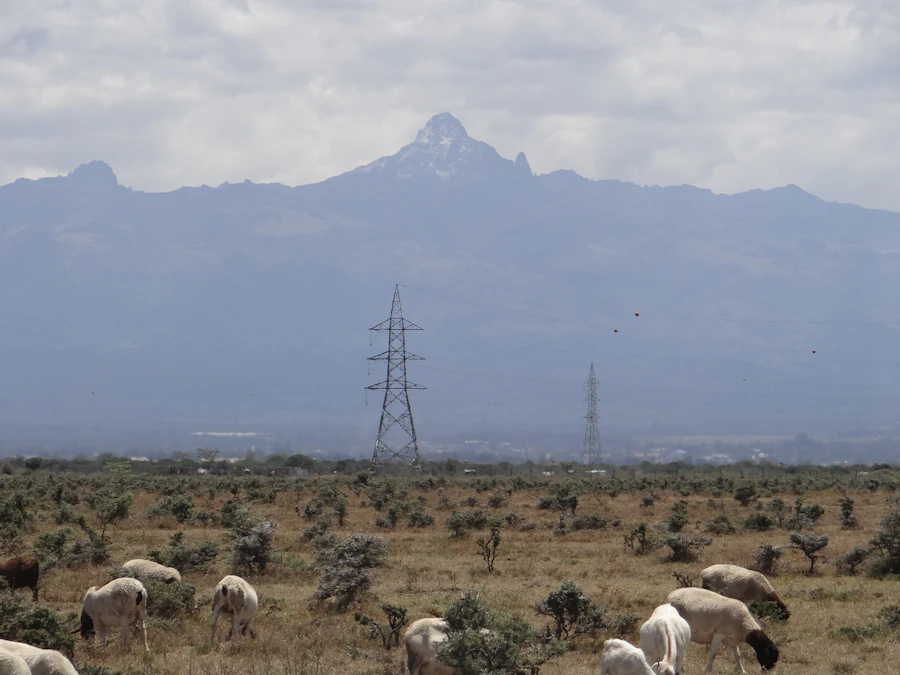
Mwisho wa Ukoloni wa KPLC: Kenya Yavunja Ukiritimba wa Miaka 30 wa Nishati
Kuanzia mwezi wa Mei 2026, soko la nishati nchini Kenya limeingia kwenye zama mpya kabisa za ushindani na uhuru wa kibiashara. Kufuatia kupitishwa kwa kanuni mpya za nishati nchini, serikali imevunja rasmi ukiritimba wa miaka thelathini wa kampuni ya umma ya Kenya Power (KPLC). Chini ya mfumo huu mpya wa 'Open Access', wazalishaji binafsi wa umeme sasa wanaweza kuuza nishati moja kwa moja kwa viwanda na wateja wakubwa bila kupitia KPLC. Haya ni mageuzi makubwa ya kihistoria yanayolenga kushusha gharama za umeme na kuvutia wawekezaji wa nishati safi.
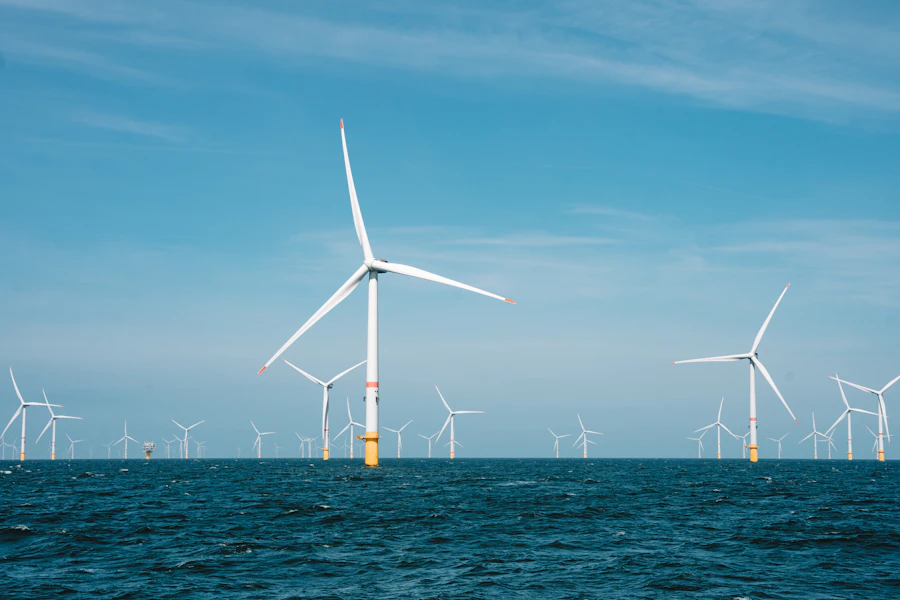
The Aberdeen Anchor: Why GBE’s Billions Cannot Instantly Solve the North Sea Supply Chain Crisis
As Great British Energy prepares to move into its permanent Marischal Square headquarters in Aberdeen city centre later this year, the publicly owned energy company is executing its first major industrial partnerships. Backed by an £8.3 billion taxpayer commitment, GBE’s co-investment with The Crown Estate’s Supply Chain Accelerator in May 2026 represents a major step toward delivering 30 gigawatts of offshore wind by 2030. Yet, behind the political triumphs, the state-backed venture is confronting severe, long-term grid connection and manufacturing bottlenecks that cannot be solved by simply pouring public capital into the sea.
O Oceano do Brasil Poderia Abastecer o País Três Vezes. A Licença Ainda Não Saiu.
O litoral brasileiro tem um potencial estimado de 697 GW de energia eólica offshore — mais que o triplo de toda a capacidade elétrica instalada do país hoje. Mais de 100 GW em projetos já estão empilhados esperando aprovação ambiental. O leilão que finalmente permitiria o início das obras não para de escorregar no calendário, e agora foi adiado para 2027.
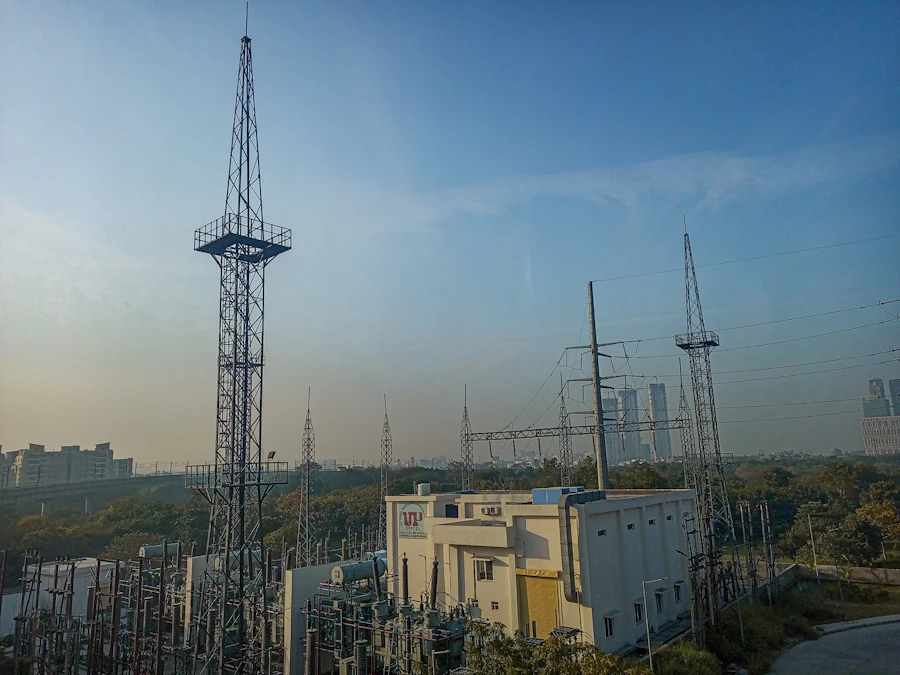
The Desert Powerhouse: Adani Green Nears 20 GW Milestone at the Khavda Giga-Park
Following the commercial commissioning of a fresh 150 megawatt solar plant on June 28, 2026, Adani Green Energy has edged to the very brink of a historic milestone. Operating in the harsh salt flats of Khavda, Gujarat, the renewable giant’s portfolio now stands at a staggering 19,985.8 megawatts. This rapid expansion in the world’s largest green energy zone highlights India's relentless drive to break its dependency on coal and transform the global energy map.