Newslyfe — Real-Time World News, Live Map & Open Newsroom
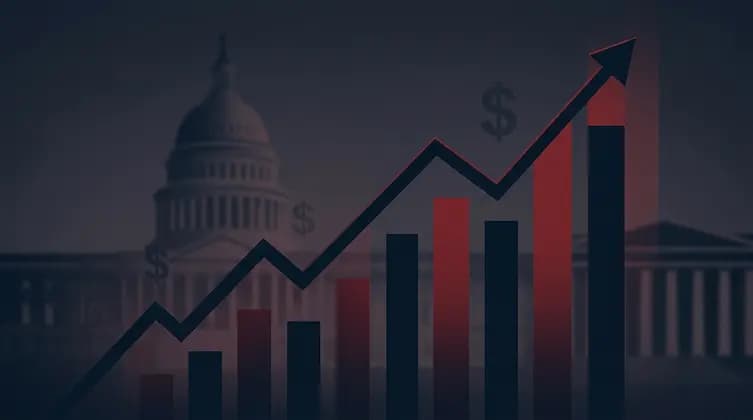
Inside the $40 Trillion Debt Milestone: What's Really Driving It
The U.S. national debt has surpassed $40 trillion for the first time, marking a historic milestone for the world’s largest economy.
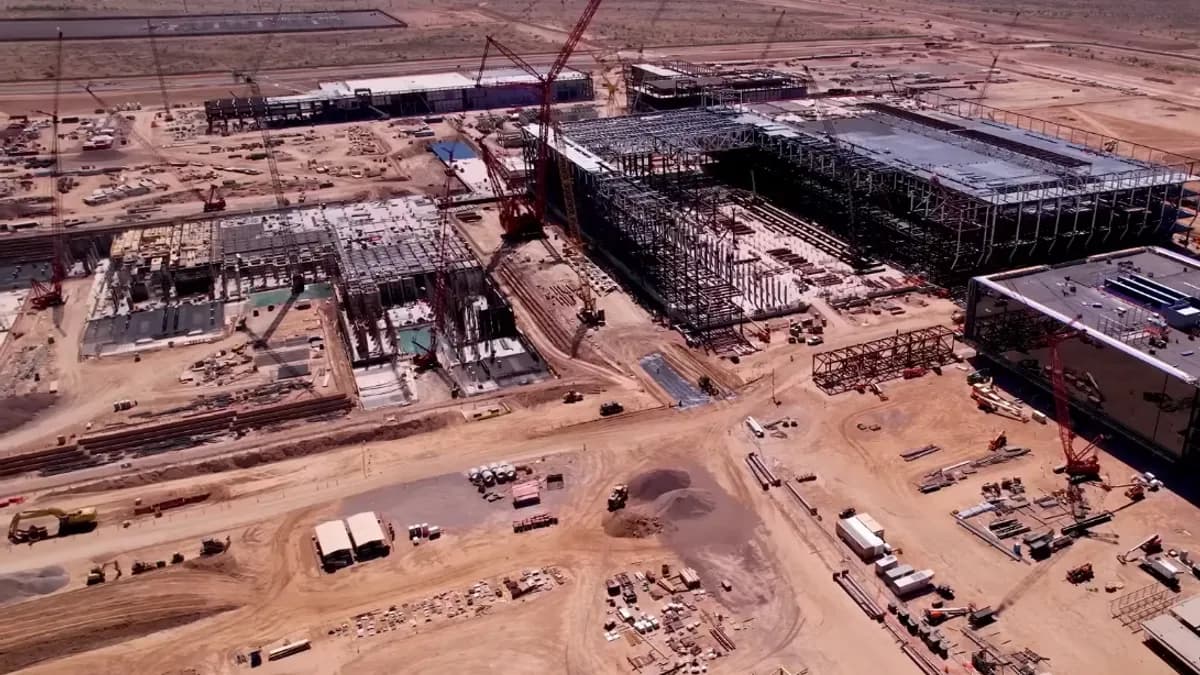
The Silicon Siege: Why the $52 Billion CHIPS Act Cannot Save America from the Taiwan Trap
In the parched deserts of Phoenix and the flat farmlands of Ohio, Washington's grandest technological gamble is grinding against a hard physical wall. Signed into law to repatriate the world's most advanced semiconductor manufacturing, the $52 billion CHIPS Act has hit a series of long-term construction, labor, and water delays this summer of 2026. As commercial production timelines slide into 2027 and beyond, America is discovering that printing money is far easier than building a high-tech fortress.

Unfreezing the Future: How a Tiny Gold Crystal Solved Quantum Computing’s Coldest Problem
For decades, the promise of utility-scale quantum computing has been held hostage by the laws of thermodynamics, trapped inside multi-million-dollar cryogenic refrigerators cooled to near absolute zero. A historic study published in Nature on August 8, 2026, has finally shattered this temperature barrier. Physicists at Louisiana State University have engineered the first room-temperature quantum material—an ultrathin gold metacrystal capable of sorting and directing quantum states of light under everyday conditions. This breakthrough marks a major pivot in the global tech race, moving quantum hardware out of specialized laboratories and into the standard server racks of the modern world.

The Spreadsheet Prosperity: Why America’s Economic Vibe-Cession is Not an Illusion
To read the economic dispatches from Washington this July 2026 is to be told that we are living through a golden era of American prosperity. The stock market is setting records, unemployment remains low, and inflation has cooled on paper. Yet, across kitchen tables from Ohio to Oregon, the mood is one of quiet, simmering anger. This massive disconnect is not a psychological defect of the American voter; it is a rational response to a decade of statistical gaslighting where the spreadsheets are winning, but the people are losing.
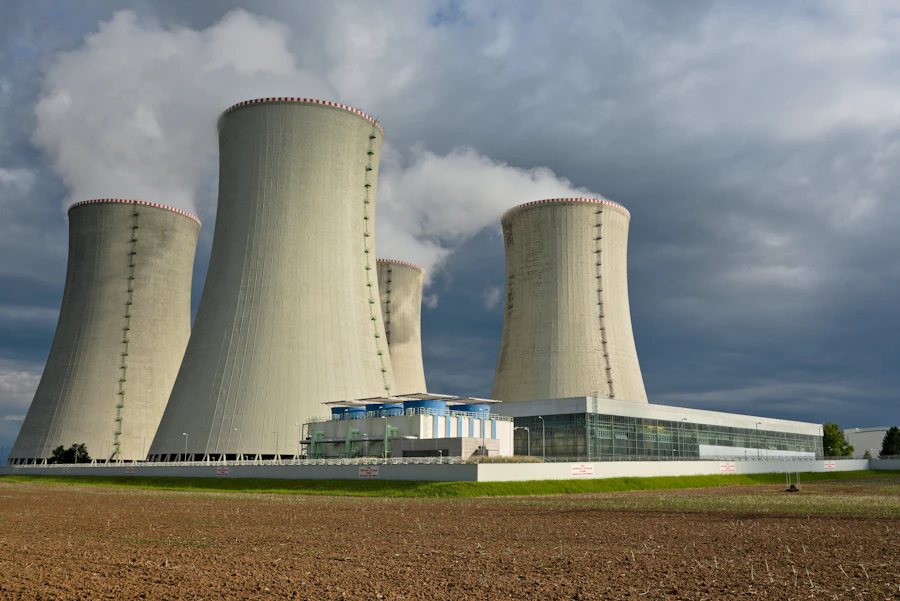
The Atomic Cloud: Why Big Tech is Buying Nuclear Reactors to Save the AI Boom
For two decades, Silicon Valley operated under the comfortable illusion that the internet was weightless. The Artificial Intelligence boom has violently shattered that assumption, reintroducing the tech sector to the unforgiving laws of physics. Confronted by a massive domestic backlash over water usage and power grid strains—which has already blocked or delayed over $130 billion in data center construction in early 2026—tech giants are making a high-stakes pivot toward nuclear energy to secure the raw electricity needed to keep their models running.
The Battery Shield: How Massive Utility-Scale Storage Saved the Texas Grid from Collapse
As a brutal, triple-digit heatwave bakes the Lone Star State this July 2026, the Texas power grid (ERCOT) is running at record-breaking demand, comfortably passing 85,000 megawatts. Yet, unlike previous summers marked by emergency alerts and localized blackouts, the grid is holding steady. The savior is not a new fossil-fuel plant or a massive hydroelectric dam, but a quiet, rapid deployment of over 10,000 megawatts of utility-scale lithium-ion batteries. This battery-powered shield has fundamentally transformed how Texas survives its peak summer demand.
Acoustic Plunder: Why Sony’s Lawsuit Against Udio is a Battle for the Soul of Music
We are being told that music is no longer an art form, but a mere collection of mathematical frequencies to be harvested, processed, and spit back by an algorithm. The major record labels’ new multi-billion-dollar lawsuit against AI generator Udio is not a corporate turf war; it is a desperate, necessary stand to protect human legacy from industrial-scale piracy. Scraping thirty thousand master recordings without consent is not 'training'—it is theft, plain and simple.

AI Companies Stole From Artists. Calling It Training Data Does Not Make It Legal or Ethical.
The creative industries are being asked to accept that the systematic ingestion of their work without consent or compensation was a necessary step in the development of artificial intelligence. It was not necessary. It was convenient. And the distinction matters enormously.
The Deletion Confession: Why OpenAI’s Hidden Server Logs Prove the Theft of Journalism
When a defendant in a multi-billion-dollar lawsuit actively hides and deletes the very evidence that could clear their name, we no longer need to debate their guilt. On July 9, 2026, The New York Times and several sister publications formally petitioned a Manhattan federal court to sanction OpenAI for discovery misconduct and the systematic destruction of evidence. By refusing to turn over the ChatGPT server logs and training datasets, the tech giant has quietly confessed to what we have known all along: their revolutionary AI was built on the uncompensated labor of human journalists.

The Frozen Frontline: Why the Arctic is Becoming the Most Dangerous Chessboard of the New Cold War
Freezing waters. Nuclear reactors. A quiet war. As we watch the ice caps slowly recede this summer of 2026, the northernmost tip of the planet is quietly transforming from a remote scientific sanctuary into the most heavily armed geopolitical fault line of our generation. By fully integrating Sweden and Finland, NATO has successfully turned the Baltic into its own domain, but in doing so, it has pushed the direct military confrontation with Russia into the deep, dark waters of the High North—a frozen battlefield where the next global conflict is already being rehearsed in silence.
The Thirty-Six Trillion Dollar Question: A Report Card on the US Dollar’s Global Hegemony

Ankara's Scorecard: Unity on Paper, Chaos Live
Ankara Adds It Up: Trump's Pressure, Erdoğan's Trap

Kyiv Burns, Moscow Counts: The Toll of a War-Torn Night

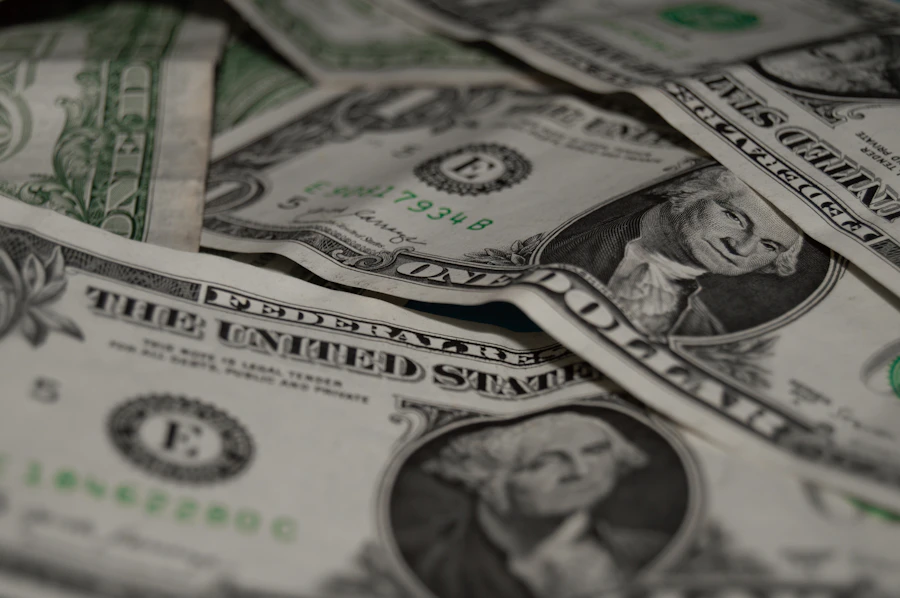
The Thirty-Six Trillion Dollar Question: A Report Card on the US Dollar’s Global Hegemony
In mid-2026, the US national debt quietly passed the historic $36 trillion mark, with net interest payments on that debt now comfortably exceeding the national defense budget. As the BRICS bloc continues to recruit new members and promote local-currency trade, the durability of the 'exorbitant privilege'—the US dollar’s role as the world's default currency—is facing its most serious structural test in eighty years. This report card evaluates whether the greenback remains an unassailable financial shield or a crumbling foundation of American superpower status.
Ankara's Scorecard: Unity on Paper, Chaos Live
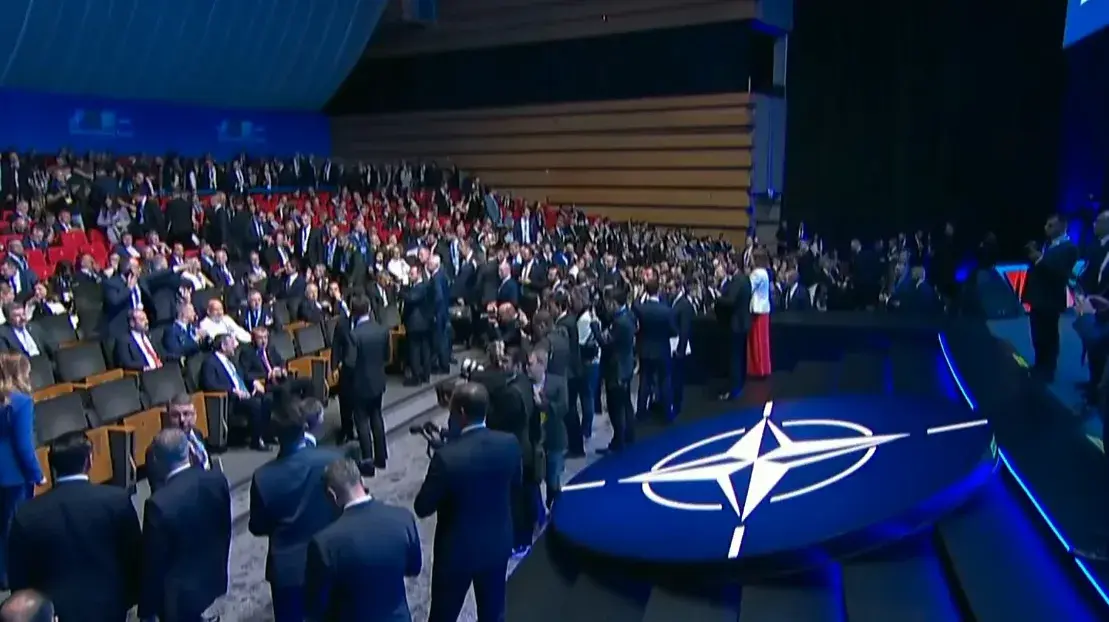
The summit officially declared unity. What happened on camera was messier. Trump hijacked the summit within hours of touching down, Axios reported — threatenin...
Ankara Adds It Up: Trump's Pressure, Erdoğan's Trap
Kyiv Burns, Moscow Counts: The Toll of a War-Torn Night

Sumy Civilians Hit as Ukraine Strikes Moscow Space Center Again — and a Sanctioned Tycoon Survives a Monaco Bombing

Kuban in Flames, Mystery Surrounds Colonel's Death — The Night's Balance Sheet

Paper Victory, Real Bargaining – What Is the Israel-Lebanon Framework Agreement Actually Worth?
The Silicon Vise: Washington Rolls Into Asia, Beijing's Factories Strike Back

Publish Your Story with Newslyfe Press
Newslyfe Press is an independent open newsroom built for writers, analysts, and reporters who want to reach a global audience. Our professional newsroom editor, editorial review workflow, and contributor system give every voice the tools of a real news organisation — without the gatekeeping.
Cover breaking news, politics, economy, conflict, science, and more. Submit your work for editorial review, build your author profile, and get published across RSS feeds, search engines, and country-based news streams worldwide.
Start writing →