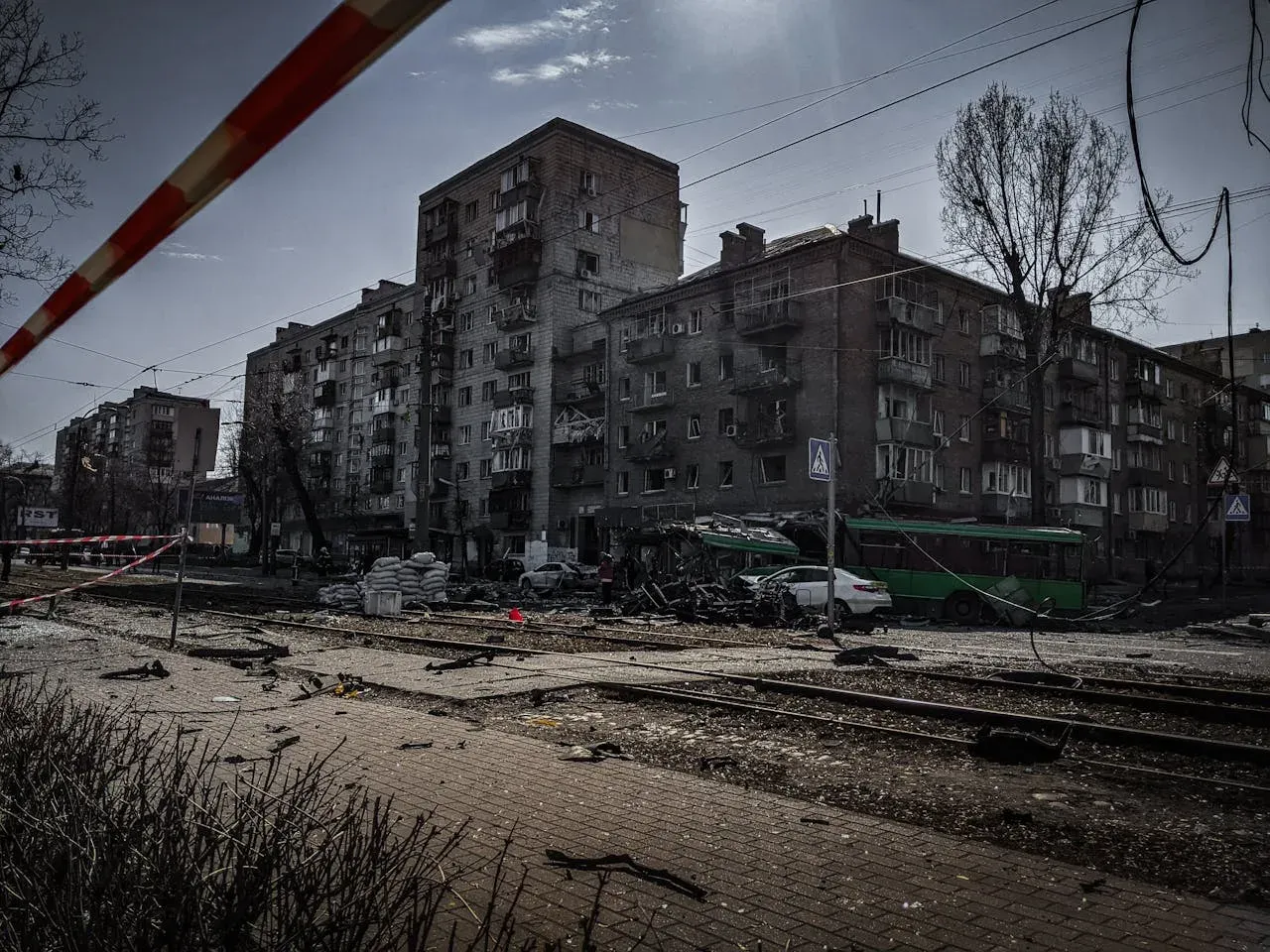
A dramatic escalation in aerial warfare unfolded across multiple geopolitical fronts overnight, highlighting the increasingly synchronized nature of modern global conflicts. From the heavily fortified waters of the Black Sea to the highly sensitive corridors of the Middle East and the Baltic frontier, a rapid succession of military developments has underscored a critical reality: the boundaries between localized theaters of war are rapidly dissolving into a broader, multi-front confrontation.
The most immediate flashpoint occurred in Crimea, where the city of Sevastopol became the target of a massive, multi-wave drone incursion. According to initial tactical updates filtering through regional monitoring channels, local air defense (PVO) units were initially engaged with a small cluster of four unmanned aerial vehicles (UAVs) near the strategic Sevastopol Bay. Within less than an hour, however, the scale of the assault became clear as the saturation wave intensified. Emergency transmissions and official statements from local authorities tracked a steep exponential curve: the number of confirmed interceptions quickly doubled from four to seven, before finally peaking as air defense crews neutralized at least 14 hostile UAVs in the skies directly over the city.
This intense focus on the Crimean logistics hub triggered immediate ripple effects throughout the Russian domestic information space. In the western city of Lipetsk, the sudden collapse of a residential building and a subsequent structural fire—which tragically claimed two casualties, including a child pulled from the debris—instantly sparked fears of a coordinated deep-strike drone campaign. While regional prosecutors and the local governor moved quickly to defuse panic, clarifying that the incident was the result of a catastrophic domestic gas explosion rather than a cross-border strike, the immediate tension illustrated the volatile atmosphere gripping the domestic rear as primary defensive networks operate at maximum capacity. This high-alert stance is expected to dominate diplomatic channels today, as Deputy Foreign Minister Mikhail Galuzin prepares a comprehensive briefing for the international diplomatic corps detailing Russia's retaliatory targeted strikes against Kiev’s industrial-military complex.
Yet, the strategic paradigm shift of the past 24 hours extends far beyond Eastern Europe. As Eastern European skies cleared, documentation surfaced from the Islamic Revolutionary Guard Corps (IRGC) in Iran, verified by field correspondents, broadcasting high-resolution footage of the successful downing of an American MQ-9 Reaper heavy surveillance drone over the Persian Gulf region. The deliberate public dissemination of these intercepts serves as a stark reminder of the technical and operational synergy connecting anti-Western factions globally.
This security architecture is further shifting in the South Caucasus, where recent procurement data confirms that Armenia has significantly pivoted its defense strategy. In a move that alters the regional balance of power, Yerevan has bypassed traditional suppliers to acquire specialized AD-08 Majid short-range air defense systems from Iran, alongside a fleet of CH-4 Rainbow reconnaissance and strike UAVs from China. By integrating Iranian kinetic defense with Chinese tactical aviation, the region is actively absorbing technologies that have defined the battlefields of Ukraine and the Middle East.
This global realignment comes at a time when Western operational planning is visibly adjusting to the prospect of a protracted confrontation. Recent leaks and intelligence assessments carried by international agencies indicate that the United States is actively evaluating a structural reduction of its conventional aviation, naval, and drone footprints within core NATO structures, signaling a potential shift toward localized European strategic autonomy. Concurrently, on NATO's easternmost flank, integrated German-Netherlands corps stationed in Estonia and Latvia are reportedly accelerating large-scale contingency maneuvers. These exercises, designed to simulate direct high-intensity friction along the Baltic border, reflect a growing consensus among military planners that the isolated skirmishes of the early decade have permanently evolved into an interconnected, permanent global front.