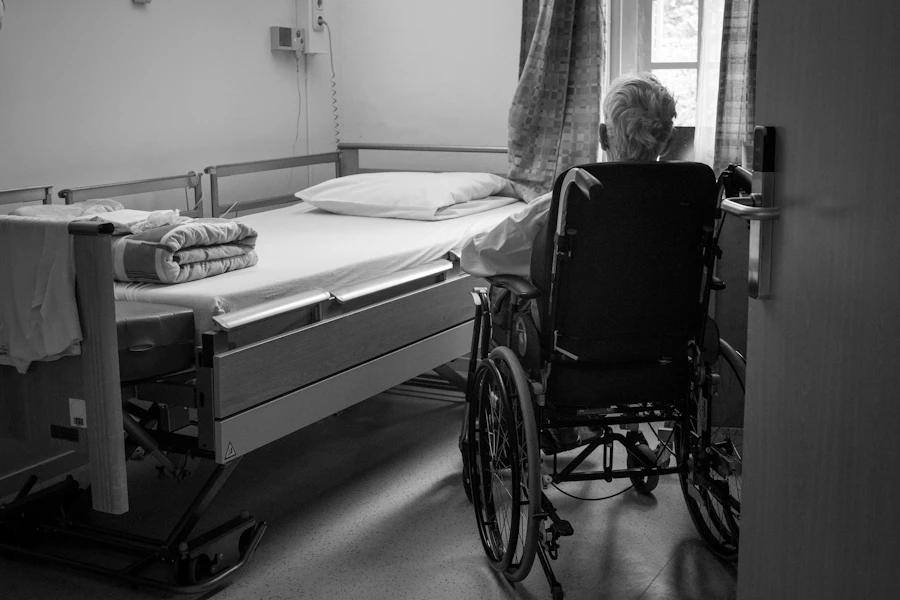
We are growing old, and we are growing terrified. This July of 2026, the comfortable illusion surrounding our silver-generation safety net has suffered a devastating blow. Within the span of just a few weeks, the Ministry of Health moved to revoke the operating licences of both Windsor Convalescent Home and LC Nursing Home due to egregious lapses in basic resident safety, clinical care, and infection prevention. These were not minor administrative slip-ups; they were systemic failures in places meant to shield our most vulnerable. Our immediate response to this crisis, as discussed by health regulators on July 9, is a proposed public rating system designed to grade these private facilities like tourist restaurants. But as we prepare to brand struggling care homes with bureaucratic letter grades, we must ask if this public shaming is a genuine path to dignity, or merely a clever shield for a state apparatus struggling to staff its own demographic crisis.
The statistics of our greying island are no longer a distant warning on a spreadsheet. In 2026, we officially crossed the threshold into a "super-aged" society, with over twenty-one per cent of our citizen population now aged sixty-five and above. Our demand for long-term care beds is exploding, yet the supply of qualified, compassionate nursing staff remains desperately bottlenecked. To survive, the private nursing home sector relies heavily on low-wage foreign healthcare workers who are frequently overworked, under-trained, and culturally isolated. When the ministry shut down Windsor, residents had to be scrambled and re-homed across an already congested network of beds. Our state planners believe that a public rating system will empower families to make informed choices, driving low-performing operators to clean up their act or face financial ruin.
A quiet tragedy. A system running out of breath.
We want quality. We want safety. We want to believe that when we can no longer care for our parents at home, the state has built a sanctuary for their final years. But grading an underfunded, understaffed nursing home with a "C" or a "D" does nothing to address the structural decay of the business model. Unlike restaurants, families choosing a nursing home do not have the luxury of dining elsewhere; they are constrained by geographical proximity, government subsidies, and the sheer lack of available beds. If we slap a failing grade on a facility, we do not magically produce better nurses or raise salaries to attract local talent. We simply breed anxiety among families who have no other choice but to keep their loved ones in a publicly branded failure.
"Public grading systems work well for commercial services, but when applied to essential social infrastructure, they often backfire by demoralising an already exhausted workforce," notes a senior geriatrician who has spent three decades in public hospitals. "It creates a culture of defensive compliance, where staff spend their limited hours filling out audit paperwork to secure an 'A' grade rather than holding the hands of dying patients."
Perhaps we are hiding our own collective neglect behind these administrative report cards. By treating the crisis of elder care as a consumer problem—suggesting that families simply need to "shop around" using state-curated star ratings—we are shifting the moral burden from the community to the individual. It seems far easier to police these struggling private entities with strict, punitive scorecards than to fundamentally subsidise the sector and elevate nursing to a highly paid, respected profession. We are trying to run a high-demand public service on the cheap, and when the cracks appear, we blame the operators. The threat of licence revocation is necessary, but it is a crude tool that leaves displaced elderly citizens in its wake. If we do not address the wage disparity and the punishing hours of our healthcare workers, no amount of public grading will prevent the next quiet tragedy behind closed doors.
Are we truly trying to elevate the dignity of our pioneers, or are we simply using bureaucratic scorecards to distance ourselves from the uncomfortable cost of growing old?