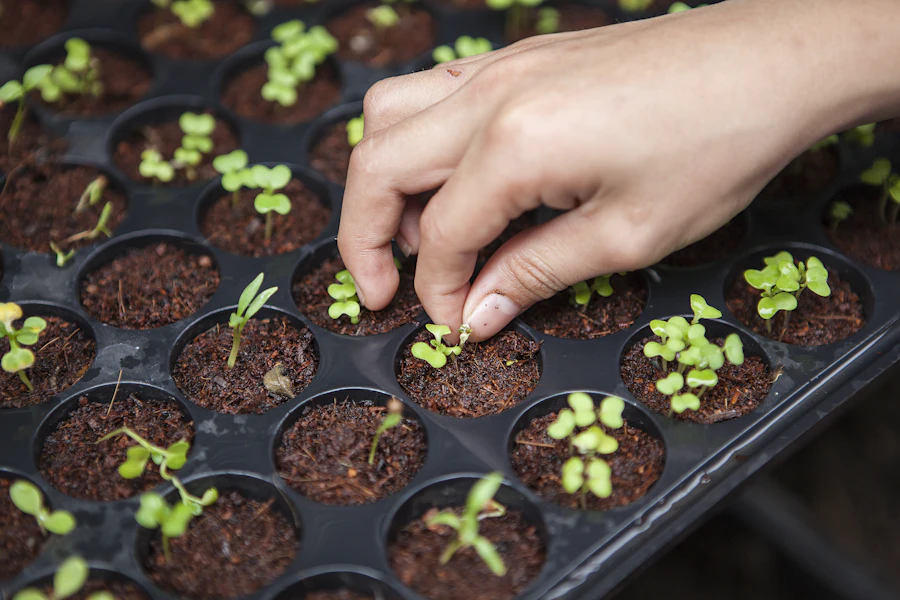
Singapore imports 90 percent of its food. That is a strategic vulnerability that successive governments have treated with the seriousness usually reserved for defence — and the policy toolkit they assembled in response reads, in retrospect, like a masterclass in using regulatory architecture to redirect private capital toward a public goal.
The Singapore Food Agency's 30 by 30 programme, launched in 2019 with a target of producing 30 percent of the city-state's nutritional needs domestically by 2030, has been met five years early. The mechanism was not state production but state-enabled private investment: SGD 144 million in agri-food enterprise grants, zoning changes that made vertical farming viable in industrial districts, and a building code amendment in 2022 that required all new public housing blocks above 15 storeys to include functioning rooftop food production capacity.
The city's 23 commercial vertical farms, three of which now export to Malaysia and Indonesia, collectively produce 28,000 tonnes of vegetables annually.
"Food security is national security," said Minister Grace Fu. "We have always known this. Now we have done something about it."