بين الخيال المعماري والجاذبية الاقتصادية
تريليون وثلاثمائة مليار دولار. صحراء لا نهائية. وصحوة مالية مفاجئة.
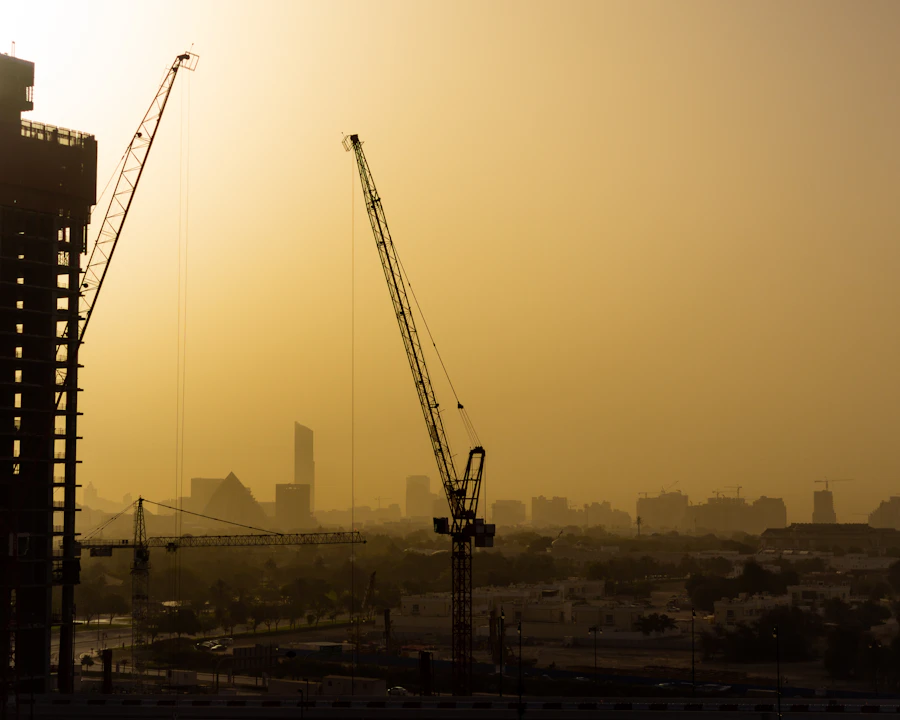
الرافعات ما زالت تدور في منطقة تبوك، لكن المخططات تتقلص. في صيف 2026، ينفذ المخططون الاقتصاديون في المملكة أكبر تراجع استراتيجي مدروس منذ إطلاق ولي العهد الأمير محمد بن سلمان خطة «رؤية 2030».
أرادوا الخيال العلمي والرفاهية المطلقة، فواجهوا اختبار الواقع.
أمام توقعات عجز الميزانية وتقديرات أسعار النفط المتحفظة، قام صندوق الاستثمارات العامة رسميًا بتأجيل أو تقليص أو إعادة جدولة بعض أكثر «المشاريع الكبرى» شهرة. تم تقليص المرحلة الأولى من مدينة «ذا لاين» الممتدة على مسافة 170 كيلومتراً، وتأجلت مواعيد تسليم مشاريع سياحية فاخرة على ساحل البحر الأحمر. الرياض تفصل أخيرًا بين قوانين الاقتصاد والخيالات المعمارية.
الإيجابيات: حماية الاستقرار المالي السيادي
يمثل قرار تقليص النفقات خطوة دفاعية حكيمة، وإن كانت مؤلمة، للاقتصاد الكلي للمملكة:
أولاً، يمنع هذا التوجه استنزاف الاحتياطيات السائلة للصندوق السيادي في مشاريع سياحية استعراضية بطيئة العائد، لا سيما في ظل عدم وصول الاستثمار الأجنبي المباشر إلى الأهداف المرسومة.
ثانياً، يتيح تحويل رؤوس الأموال بعيداً عن مدن الخيال العلمي التركيز على البنية التحتية الحيوية الملزمة لاستضافة «إكسبو 2030» في الرياض وبطولة كأس العالم 2034.
أخيراً، فإن التوجه نحو الاستثمار المباشر في الذكاء الاصطناعي، ومراكز البيانات الإقليمية، والتصنيع المتقدم بدأ يحقق عوائد اقتصادية أسرع. الرياض تثبت للأسواق العالمية أن اقتصادها يدار بعقلية مديري الاستثمار البراغماتيين، وليس فقط برؤى طموحة بلا قيود.
السلبيات: عجز السمعة وارتباك قطاع المقاولات
مع ذلك، لم يمر هذا التراجع دون ثمن باهظ على صعيد الصورة العامة.
لسنوات، قدمت المملكة نفسها كقوة اقتصادية لا تتوقف ولا تعيقها ميزانيات. أثار التقليص المفاجئ لأهداف نيوم موجة من التشكيك في الصحافة المالية الغربية، مما قد يضغط على ثقة المستستثمرين في التعهدات السيادية المستقبلية.
محلياً، تسبب القرار في ارتباك تشغيلي حاد. مئات شركات الهندسة العالمية والمقاولين المحليين الذين وظفوا آلاف العمال وضخوا استثمارات ضخمة بناءً على المواعيد السابقة يواجهون اليوم إعادة تفاوض قسرية على العقود وتأخيراً في المدفوعات. هذا التحول وضع سلاسل الإمداد المحلية في مأزق مالي حقيقي، ويكافح العديد من المقاولين المتوسطين للنجاة من تداعياته.
التقييم النهائي: واقعية ضرورية للمستقبل
تستحق إعادة الضبط الاقتصادي لمنتصف عام 2026 درجة +B. إنها القرار الأكثر نضجاً الذي تتخذه الرياض منذ عقد، وتؤكد استعداد القيادة لتفضيل الاستدامة المالية على انتصارات العلاقات العامة المؤقتة.
كانت محاولة كسر قوانين الاقتصاد في قلب الصحراء رهاناً عالي المخاطر منذ البداية. من خلال ربط المشاريع الكبرى بالاستحقاقات العالمية الكبرى والاستثمار في البنية الرقمية، تبني المملكة اقتصاداً غير نفطي أكثر صلابة ومرونة. لقد تخلت الرياض عن أوهام الحجم المفرط، لكن الأساس المالي للدولة بات في مأمن أكبر بكثير.