الأرقام تدحض رواية التباطؤ
رأوا تباطؤاً. ورأوا أزمة. لكنهم غفلوا تماماً عن الطفرة الحقيقية على الأرض.
لو اقتصرت متابعتك على الصحافة المالية الغربية، لظننت أن الاقتصاد السعودي يقترب من حافة الركود تحت وطأة تأجيل بعض مشاريع الخيال العلمي. الواقع الميداني مختلف كلياً.
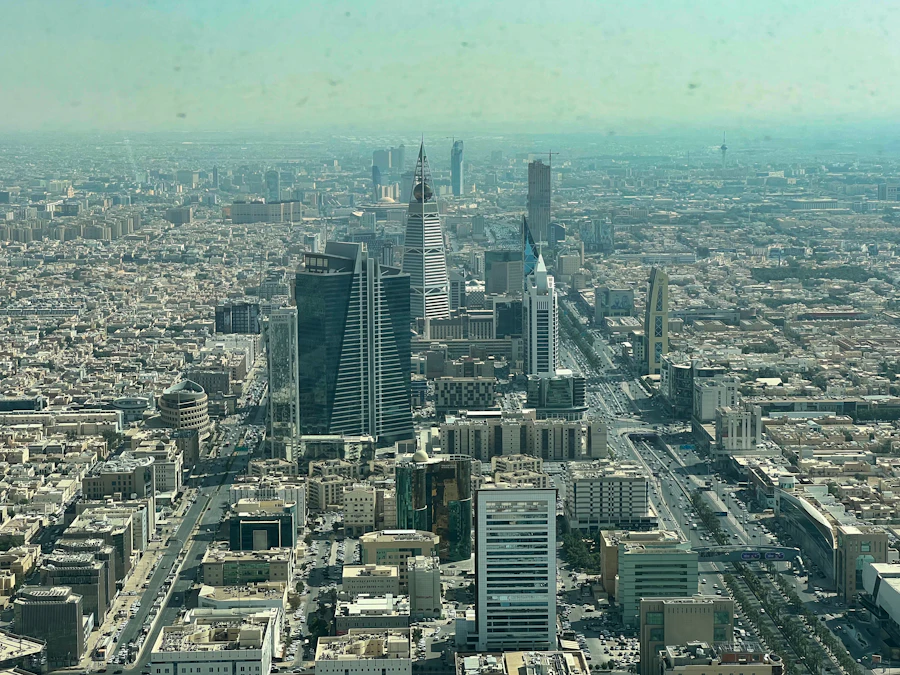
في أوائل يوليو 2026، قفز مؤشر ثقة الأعمال (BCI) إلى 56.6 نقطة، مدفوعاً بنشاط استثنائي في القطاع الخاص. هذا ليس اقتصاد المضاربات والتصاميم الزجاجية في عمق الصحراء؛ إنه اقتصاد الخرسانة والطرق، والوحدات السكنية، وشبكات القطارات الحضرية. سجل مؤشر الراجحي كابيتال لقطاع الإنشاءات 56.3 نقطة، مسجلاً أعلى معدل نمو في أكثر من عام، مما يؤكد أن محرك البناء المحلي غيّر مساره نحو الأولويات الحضرية ولم يتوقف.
من التصاميم النظرية إلى التنفيذ على الأرض
إن مرونة القطاع الخاص غير النفطي هي النتيجة المباشرة لتحول استراتيجي حاسم في الرياض. فبدلاً من استنزاف السيولة في مشاريع نائية مرتفعة المخاطر، تضخ المملكة رؤوس أموال ضخمة في مراكزها الحضرية الكبرى: الرياض، وجدة، والدمام.
تشهد هذه المدن إعادة هيكلة عمرانية واسعة النطاق استعداداً للتدفق الهائل من السياح والشركات المتوقع لمعرض «إكسبو 2030». المطورون العقاريون في القطاع الخاص يسدون الفراغ سريعاً بدعم من الإقراض المصرفي القوي ونشاط التمويل العقاري، مما يعيد تشكيل سلاسل الإمداد الوطنية من القاعدة إلى القمة.
ركائز النهضة غير النفطية الأربع
تعتمد هذه الطفرة العمرانية على محركات اقتصادية عملية تدير عجلة المصانع المحلية بلا انقطاع:
- التكثيف العمراني السكني: مبادرات إسكانية حكومية كبرى تستهدف رفع نسبة تملك المنازل إلى 70%، مما يحول الرياض إلى حاضرة عمرانية كبرى عالية الكثافة.
- بنية تحتية للأحداث الكبرى: توجيه الموارد نحو توسعة مترو الرياض، وبناء الملاعب الرياضية المتطورة، وتوسعة المطارات لاستضافة كأس العالم 2034 وإكسبو 2030.
- التوطين الصناعي لمواد البناء: طفرة في مصانع إنتاج مواد البناء محلياً، لتقليص الاعتماد على واردات الحديد والإسمنت الباهظة.
- توسع العقارات التجارية الفاخرة: استمرار تدفق المقرات الإقليمية للشركات متعددة الجنسيات إلى العاصمة، مما يدفع الطلب على المساحات المكتبية من الدرجة الأولى (Grade-A) إلى مستويات تاريخية.
«الضجة الإعلامية الغربية حول تقليص نيوم قدمت لنا خدمة غير مقصودة؛ لقد أزالت التشويش وسمحت للمقاولين المحليين بالتركيز على عقود حقيقية ومربحة داخل مدننا الرئيسية. حجم أعمالنا اليوم يفوق ذروة طفرة المشاريع الاستعراضية.»
محرك نمو واقعي ومستدام
يعد القطاع الخاص غير النفطي اليوم محرك النمو الأكثر استقراراً في تاريخ الاقتصاد السعودي. فمن خلال ربط التوسع بالطلب الحقيقي في السوق بدلاً من المشاريع المستقبلية المفرطة في الطموح، تبني الرياض نموذجاً اقتصادياً مستداماً وأقل تأثراً بتقلبات أسعار النفط العالمية.
لم تقتل إعادة ضبط «رؤية 2030» الطفرة الاقتصادية؛ بل أعادتها إلى أرض الواقع، وثبتتها في الخرسانة والصلب وقيمة السوق الفعلية.
انقشع غبار المضاربات، وبدأ العمل الحقيقي.