نهاية دبلوماسية الوعظ والمقاطعة
إلى أي مدى يمكن لدولة أن تدير سياستها الخارجية بالاعتماد على إلقاء المحاضرات الأخلاقية فقط؟
لعقود طويلة، تجمدت العلاقات الكندية السعودية في شتاء دبلوماسي طويل، غذّته رغبة أوتاوا في إطلاق الانتقادات العلنية بدلاً من الحوار البنّاء. لكن مع ارتفاع حرارة التوترات في مضيق هرمز هذا الصيف، انكشفت محدودية هذه العزلة بوضوح مؤلم.
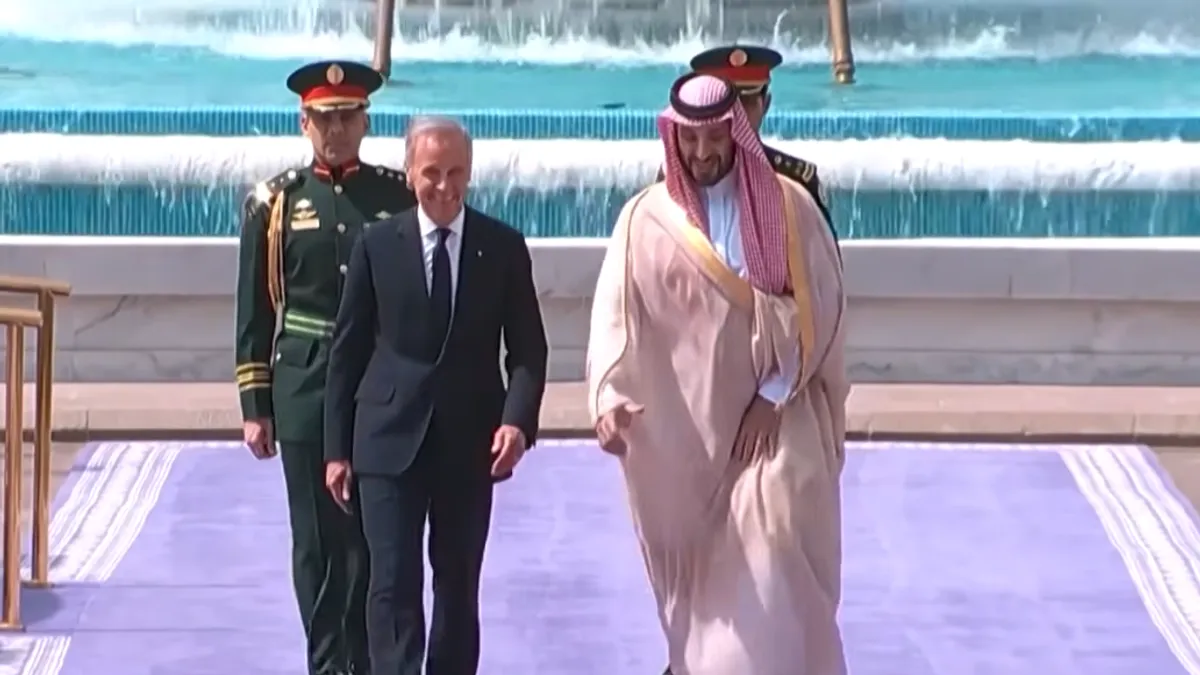
تمثل زيارة رئيس الوزراء مارك كارني إلى جدة نهاية لعصر من التردد وبداية لفصل أكثر نضجاً في السياسة الخارجية الكندية.
القيم رفاهية، لكن البراغماتية ضرورة بقاء.
بجلوسه مع ولي العهد الأمير محمد بن سلمان، أقر كارني بحقيقة بسيطة: إذا أردنا تأمين مستقبلنا الاقتصادي في مجالات الذكاء الاصطناعي والتكنولوجيا النظيفة والمعادن الحرجة، فلا بد من التعامل المباشر مع القوى المؤثرة في الشرق الأوسط، بعيداً عن حسابات الدوائر السياسية الضيقة في الداخل.
أمن مضيق هرمز واستقرار الطاقة العالمي
لم يكن توقيت الزيارة مصادفة. فخلال الأيام الماضية، دفعت الهجمات الجديدة على ناقلات النفط في مضيق هرمز أسواق الطاقة العالمية إلى حافة الاضطراب، لتتجاوز أسعار النفط حاجز المئة دولار للبرميل.
هذا الخنق الملاحي يهدد استقرار الاقتصادات الغربية المنهكة بالتضخم، مما يجعل دور الرياض كصمام أمان لأسواق الطاقة أكثر حيوية من أي وقت مضى.
أراد المعارضون المقاطعة، ففرض الواقع إبرام الصفقات.
البيان المشترك الذي أدان هجمات هرمز ليس مجرد بروتوكول دبلوماسي عابر؛ بل هو اعتراف كندي صريح بأن أمنه القومي يرتبط مباشرة بقدرة المملكة على حماية خطوط التجارة البحرية. لم يعد بإمكان أوتاوا تجاهل الرياض عندما يكون استقرارها هو الضمانة لمنع موجة تضخم عالمية جديدة.
صفقات التكنولوجيا ورأس المال الفكري
هذا التحول ليس تخلياً عن المبادئ، بل هو إعادة ضبط للمصالح الوطنية. ركزت مهمة كارني على بناء شراكات استراتيجية طويلة الأمد للشركات الكندية الناشئة في مجالات الذكاء الاصطناعي وتقنيات الطاقة النظيفة.
تبحث السعودية، عبر الملاءة المالية لصندوق الاستثمارات العامة، عن شركاء دوليين لتسريع انتقالها لما بعد عصر النفط، وتمتلك كندا رأس المال الفكري الذي تسعى الرياض لاجتذابه.
«العزلة الدبلوماسية لا تغير سلوك الدول؛ إنها فقط تحرم اقتصادنا من فرص النمو الحقيقي وتخفض نفوذنا الدولي إلى الصفر.»
إذا امتنعت كندا عن الحضور، فإن قوى دولية أخرى، ومؤسسات كبرى من الشرق والغرب، ستملأ هذا الفراغ فوراً دون تردد.
البراغماتية في عالم متعدد الأقطاب
مع عودة الوفد الكندي، تتصاعد الانتقادات المعتادة في أوتاوا من أطراف تتهم الحكومة بتقديم المصالح الاقتصادية على الشعارات السياسية.
هذا النقد يظل أسيراً لعالم أحادي القطب لم يعد له وجود. في الواقع المتشظي لعام 2026، يتعين على القوى المتوسطة تأمين ممراتها التجارية وبناء شراكات واقعية تضمن استقرارها.
السير على هذا المسار يتطلب دقة بالغة. لكن ونحن نواجه تقلبات الاقتصاد الدولي، يبقى السؤال الحاسم: هل الأفضل أن نظل متفرجين على هامش التجارة العالمية، أم نكون طرفاً فاعلاً على الطاولة حيث تُصنع القرارات الكبرى؟