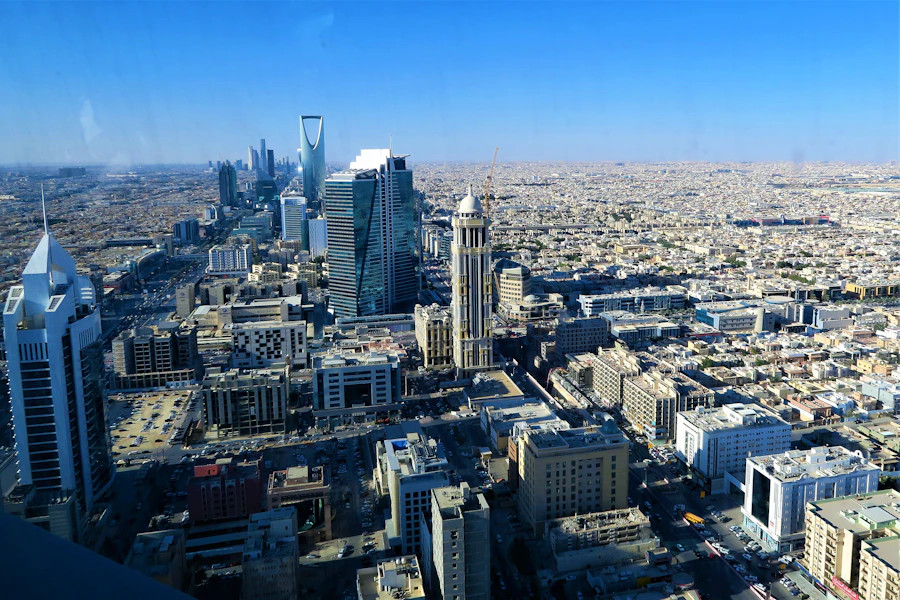
Vision 2030 was announced in April 2016 with ambitions that struck many analysts as strategically aspirational rather than operationally credible: reduce oil revenues as a share of government income from 87 percent to 50 percent, grow the private sector from 40 percent to 65 percent of GDP, reduce unemployment from 11.6 percent to 7 percent, and attract 100 million tourists annually by 2030. Nine years in, the results are mixed in ways that are instructive about both the possibilities and limits of state-directed economic transformation.
The tourism numbers are the programme's most unambiguous success. Saudi Arabia received 117 million visitors in 2024 — exceeding the 2030 target six years early — driven by religious tourism to Mecca and Medina, the opening of the Red Sea resort development, and a visa liberalisation programme that has made Saudi Arabia accessible to leisure tourists from 60 countries. The sector now contributes SAR 180 billion to GDP and employs 1.2 million people, up from 900,000 in 2016.
The non-oil GDP expansion, from 16 to 31 percent of total output, reflects genuine structural change in manufacturing, logistics, and services — but also the mechanical effect of oil price volatility on the denominator. In years when oil prices are high, non-oil diversification appears to stall; in years when prices are moderate, the numbers look better. Analysts who strip out the price effect find non-oil growth of approximately 4.2 percent annually — respectable but below the programme's targets.
The private sector employment question is the programme's most persistent challenge. Saudi nationals account for only 23 percent of private sector workers, against a Vision 2030 target of 35 percent, with Saudisation policies producing compliance on paper but substitution of titled Saudi employees for substantive foreign workers in practice.
"Transformation at this scale has no historical precedent," said Minister of Economy Faisal Al-Ibrahim. "We are not behind schedule. We are learning what the schedule requires."