نهاية التفويض المطلق في سماء الخليج
إلى متى ظنت واشنطن أنها قادرة على التعامل مع شبه الجزيرة العربية كحاملة طائرات خاصة؟
لعقود طويلة، قامت المعادلة الجيوسياسية في الخليج على صيغة بسيطة: توفر الولايات المتحدة مظلة أمنية، وفي المقابل تمنح العواصم الخليجية تسهيلات غير مشروطة وقواعد مفتوحة كلما أراد البنتاغون استعراض قوته. لكن بقاء مدارج قاعدة الأمير سلطان الجوية مغلقة أمام القاذفات الهجومية في صيف 2026 يعني أن تلك الصيغة القديمة قد انهارت رسمياً.
أرادوا الامتثال المطلق، فحصلوا على الحياد البراغماتي.
إن قرار الرياض رسم خط أحمر بوجه «مشروع الحرية» يعد أجرأ إعلان للسيادة واستقلالية القرار الوطني منذ عقود. بالنسبة لدولة تبني مستقبلها الاقتصادي، فإن صيانة السلام والاستقرار الداخلي أهم بما لا يقاس من إرضاء الحليف التقليدي.
حسابات البقاء الاقتصادي و«رؤية 2030»
لم يكن هذا الحظر الجوي خروجاً غير محسوب عن تحالف قديم، بل هو قرار عقلاني لحماية الأمن القومي والاقتصادي.
تضخ السعودية اليوم 1.3 تريليون دولار في مسار تحول تاريخي تحت مظلة «رؤية 2030»، ويعتمد نجاح مشاريع العاصمة المستقبلية، واستضافة «إكسبو 2030» وبطولة كأس العالم 2034 كلياً على استدامة الأمن الإقليمي.
أي صدام عسكري شامل بين واشنطن وطهران سيعصف بثقة المستثمرين الأجانب ويقوض الأساس الاقتصادي لما بعد عصر النفط. برفضها أن تكون منصة انطلاق للضربات، حصنت الرياض نفسها من الردود الانتقامية، مؤكدة لطهران أنها لن تنجر إلى مرمى النيران.
«لم يعد بمقدور واشنطن جر حلفائها الإقليميين إلى حروب لا يختارونها ولا طاقة لاقتصاداتهم بتحمل تكلفتها؛ لقد دخلنا عصر التحالفات القائمة على الحسابات الوطنية الباردة.»
قواعد الاشتباك في نظام متعدد الأقطاب
أثار هذا الموقف ردود فعل غاضبة في الكونغرس الأمريكي، حيث اتهم بعض المشرعين المملكة بممارسة لعبة مزدوجة تزامناً مع محادثات المعاهدة الدفاعية. لكن هذا النقد يغفل التحول العميق في بنية النظام الدولي.
في المشهد المتعدد الأقطاب لعام 2026، ترفض القوى المتوسطة كالسعودية البقاء في موقع «الدول التابعة».
تدرك الرياض أن واشنطن تعيد توجيه أولوياتها نحو آسيا، وأن الاعتماد على سياسات أمريكية متقلبة بات مغامرة غير مأمونة العواقب. لقد أدركت القيادة السعودية أن الأمن الدائم يتحقق عبر الدبلوماسية المباشرة والممرات التجارية والتوازن الذكي بين الأقطاب العالمية — وليس عبر دورات التصعيد العسكري التي تُدار من وراء البحار.
سابقة سيادية تعيد رسم التحالفات
بينما تعبر ناقلات النفط مضيق هرمز تحت أعين الأساطيل الدولية، تنكشف حدود الهيمنة الأحادية في سماء المنطقة.
يشكل هذا الفيتو سابقة استراتيجية تراقبها دول الخليج الأخرى، من الإمارات إلى قطر، وتستلهم منها نماذجها الخاصة. لقد دخلنا عصر التحالفات التبادلية المشروطة، حيث يخضع كل طلب عسكري لحسابات الربح والخسارة الوطنية.
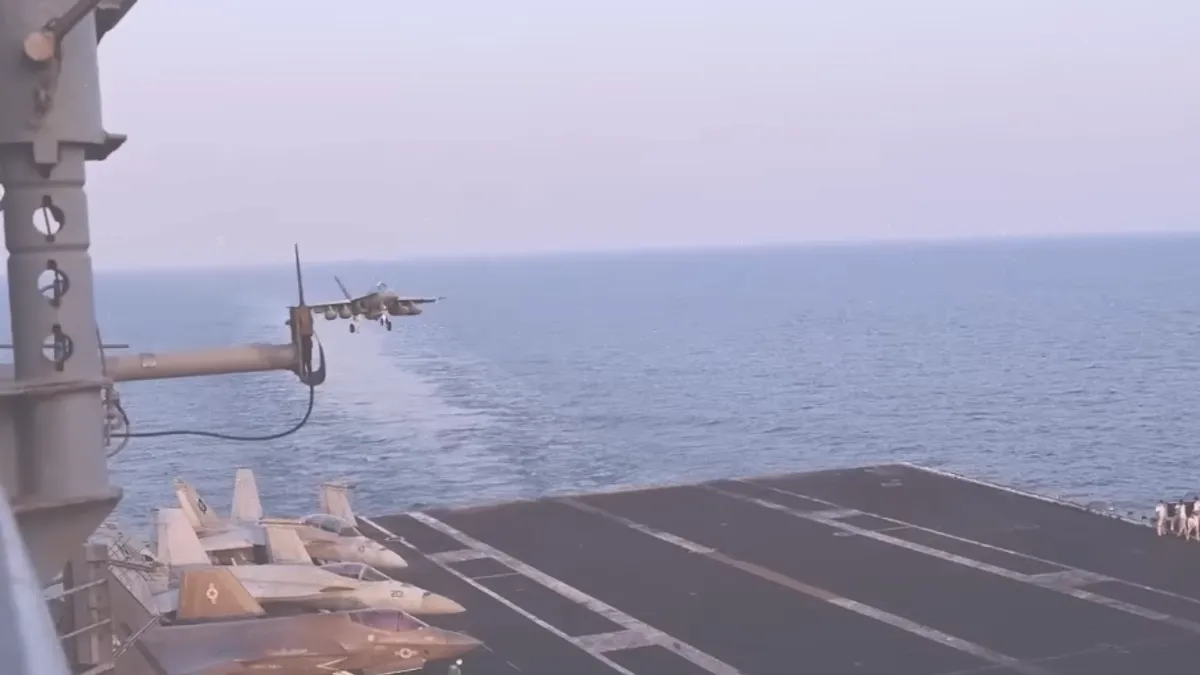
ومع اضطرار المقاتلات الأمريكية لاتخاذ مسارات أطول وأكثر تكلفة فوق المياه الدولية، يبقى السؤال الحاسم: هل واشنطن مستعدة للتأقلم مع شرق أوسط لم يعد حلفاؤه الأقربون يترددون في قول «لا»؟