معادلة الاستنزاف غير المتكافئة
ثلاثة ملايين وتسعمائة ألف دولار. طائرة مسيرة بثلاثين ألف دولار. ومعادلة استنزاف مدمرة.
الرادارات تدور بلا توقف، والمستودعات تشهد شحاً حاداً. في صيف 2026، ينظر قادة الدفاع الجوي الملكي السعودي إلى مخزونات الذخائر الحية بقلق متزايد.
أرادوا تأمين المجال الجوي، فوقعوا في فخ استنزاف اقتصادي معقد.
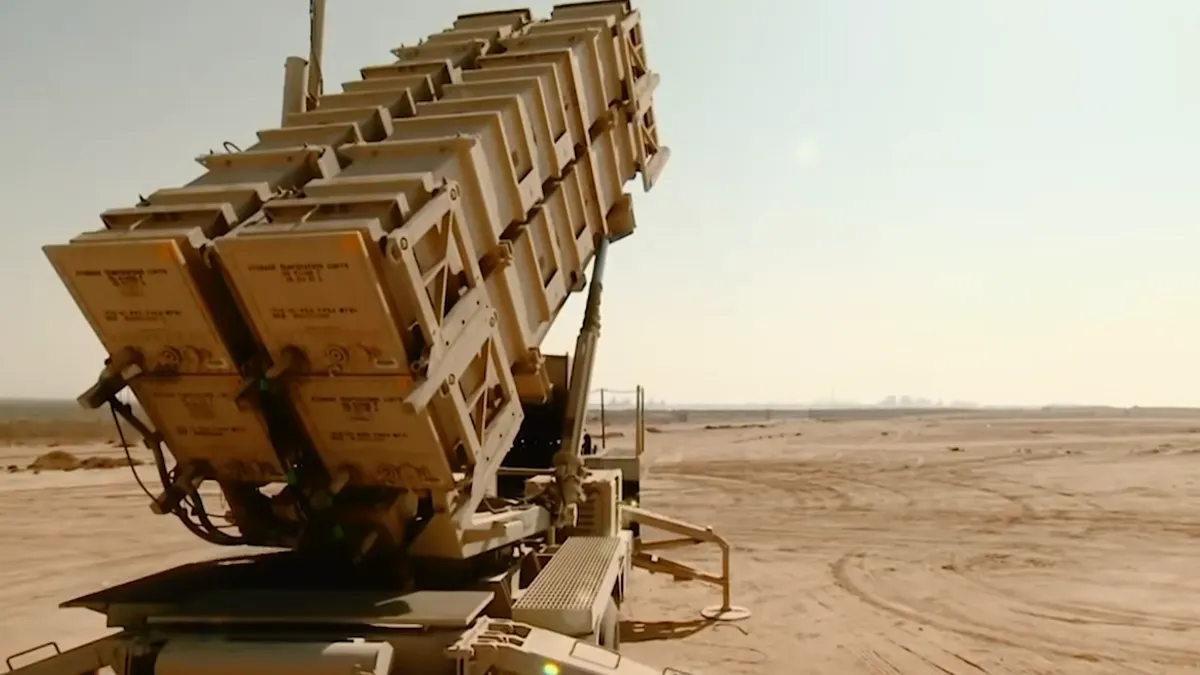
خلال سنوات من التصدي للهجمات بالطائرات المسيرة وصواريخ كروز، أطلقت القوات السعودية ما يقرب من 86 بالمائة من صواريخ «Patriot PAC-3 MSE» الاعتراضية. من أصل مخزون أولي بلغ نحو 2800 صاروخ، لم يتبق سوى قرابة 400 صاروخ في الخدمة. ورغم نجاح المنظومة في حماية المدن الكبرى ومنشآت أرامكو النفطية، كشف هذا الاستنزاف السريع عن ثغرة استراتيجية يصعب سدها بمجرد ضخ الأموال.
الإيجابيات: دقة اعتراض استثنائية وحماية للأصول الحيوية
على الصعيد الفني والعملياتي البحت، حققت بطاريات الباتريوت نجاحاً كبيراً:
حافظت المنظومة على نسبة اعتراض تجاوزت 90 بالمائة ضد صواريخ كروز المنخفضة وأسراب المسيرات المعقدة. هذا الأداء الميداني منع وقوع أضرار جسيمة في مجمعات التكرير والمطارات والمراكز الحضرية، مما حافظ على استقرار الاقتصاد وثقة المستثمرين الأجانب.
علاوة على ذلك، أدى التكامل الميداني بين شبكات الرادار المحلية والاستخبارات الفضائية الأمريكية إلى حماية آلاف الأرواح. كدرع مادي، أدى الباتريوت مهمته بدقة: منع ضربات كبرى كانت كفيلة بإشعال مواجهات إقليمية واسعة.
السلبيات: فخ الاستنزاف المالي واختناق خطوط التوريد
إلا أن الاستدامة المالية لهذه الإستراتيجية تبدو شبه مستحيلة في الأمد الطويل.
إنفاق 3.9 مليون دولار لإسقاط طائرة مسيرة انتحارية لا تتجاوز تكلفتها 30 ألف دولار يمثل فارقاً استنزافياً حاداً بنسبة 130 إلى 1 لصالح المهاجم. وقد وظف الخصوم هذا التفاوت عبر إطلاق مسيرات رخيصة لاستنزاف الخزينة التي أنفقت بالفعل أكثر من 9.4 مليار دولار على الصواريخ الاعتراضية وحدها.
الأخطر من ذلك هو الشلل الذي يضرب سلاسل التوريد العالمية؛ فخطوط إنتاج شركة «لوكهيد مارتن» محجوزة بالكامل لسنوات لتلبية الطلب المتصاعد في أوروبا، بينما تفتقر الولايات المتحدة إلى فائض جاهز للتحويل الفوري. ومع امتداد جداول التسليم إلى أواخر عام 2029، تجد المملكة نفسها أمام أزمة مخزون حقيقية في توقيت إقليمي دقيق.
التقييم النهائي: درع متآكل بحاجة لعقيدة جديدة
يحصل الموقف الدفاعي الجوي للمملكة على تقييم -C.
فرغم كفاءة الاعتراض التكتيكي، فإن الاعتماد الكلي على صواريخ أمريكية باهظة وبطيئة التعويض وضع المنظومة الدفاعية في مأزق حقيقي. لا يمكن للرياض الاستمرار في حرب الاستنزاف هذه لستة أشهر إضافية دون المخاطرة بانكشاف أجوائها.
يتعين على المؤسسة العسكرية التحول سريعاً نحو حلول دفاعية قريبة وأقل تكلفة، تشمل أنظمة الليزر الموجهة وتقنيات الحرب الإلكترونية والتشويش الراداري. وإلى أن تدخل هذه المنظومات الخدمة الفعلية أو يتحقق خفض توتر دبلوماسي دائم، يظل هذا الدرع الملياري معرضاً للإنهاك أمام أي موجة هجومية واسعة النطاق.