تحذير دبلوماسي شديد اللهجة من الرياض
أصدرت وزارة الخارجية في الرياض بياناً صارماً أكدت فيه أن المملكة لن تقف مكتوفة الأيدي أمام أي استهداف يطال أمن واستقرار دول مجلس التعاون الخليجي.
ثلاثة أسابيع من الهدوء النسبي. ثم تصعيد مباغت.
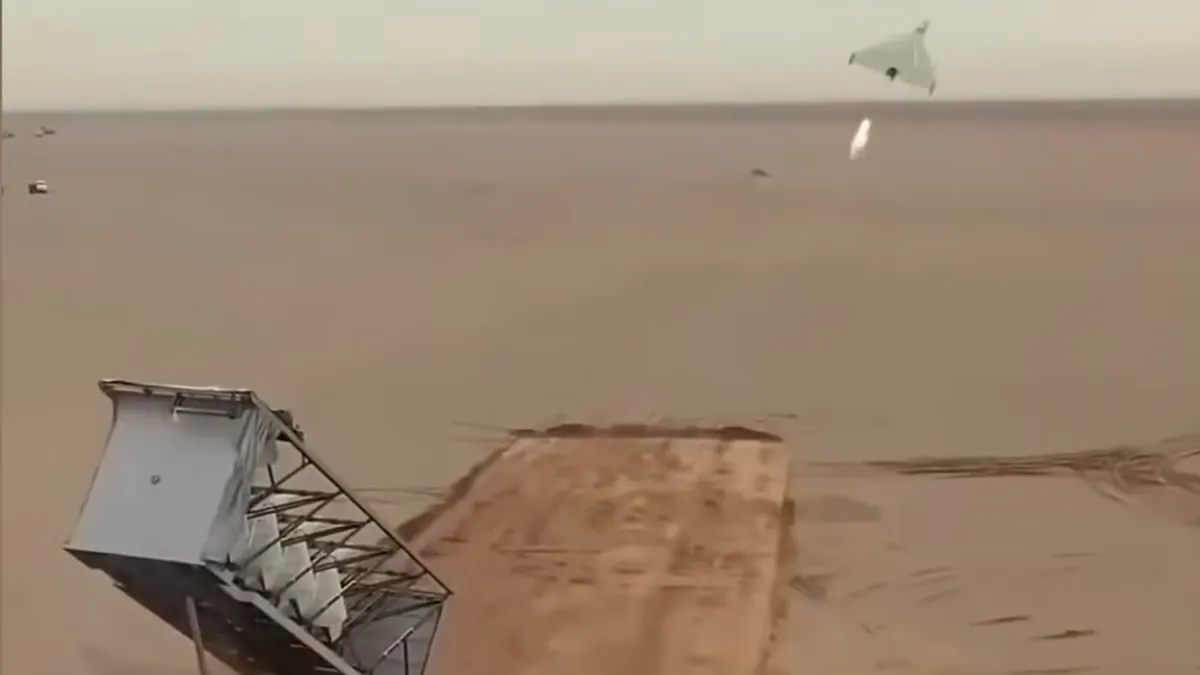
وجاء هذا التحذير عقب هجمات بطائرات مسيرة وصواريخ أطلقتها ميليشيات متحالفة مع طهران في العراق واليمن، استهدفت منشآت بحرية في الكويت ومواقع دفاعية في البحرين خلال الساعات الثماني والأربعين الماضية.
أرادوا التهدئة، ووقعوا التفاهمات، ثم أطلقوا المسيرات.
يعكس الموقف السعودي استياءً عميقاً من عجز طهران عن كبح جماح أذرعها الإقليمية، على الرغم من اتفاق خفض التصعيد الموقع في إسلام آباد في 18 يونيو. وحذرت الرياض من أن هذه التحركات العدائية تمثل خرقاً صريحاً للقانون الدولي وتهديداً مباشراً للملاحة الإقليمية.
استنفار دفاعي وتنسيق خليجي مشترك
تكشف هذه التطورات عن هشاشة بالغة في الترتيبات الأمنية الراهنة في الشرق الأوسط؛ فبينما ركزت المحادثات بين واشنطن وطهران على ملفات العقوبات والبرنامج النووي، تدرك دول الخليج أن تلك التفاهمات لم توفر مظلة حماية حقيقية لكافة دول المنطقة.
«أمن دول مجلس التعاون الخليجي كلٌّ لا يتجزأ، وأي مساس بسيادة الكويت أو البحرين يمثل خطاً أحمر للأمن القومي السعودي.»
ورداً على التصعيد، رفعت قوات الدفاع الجوي الملكي السعودي جاهزيتها على طول الحدود الشمالية والشرقية، مع تفعيل غرف العمليات المشتركة لتبادل البيانات الرادارية الفورية مع القيادات العسكرية في الكويت والمنامة.
اختبار حاسم لمذكرة إسلام آباد
مع دعوة وزراء الدفاع في المنطقة لعقد اجتماع طارئ، باتت الكرة في ملعب القيادة الإيرانية.
يتعين على طهران الآن أن تثبت التزامها الحقيقي ببنود مذكرة إسلام آباد عبر إلزام شبكاتها الإقليمية بوقف العمليات، أو تحمل مسؤولية الانزلاق السريع نحو مرحلة جديدة من الصدام الإقليمي المفتوح.