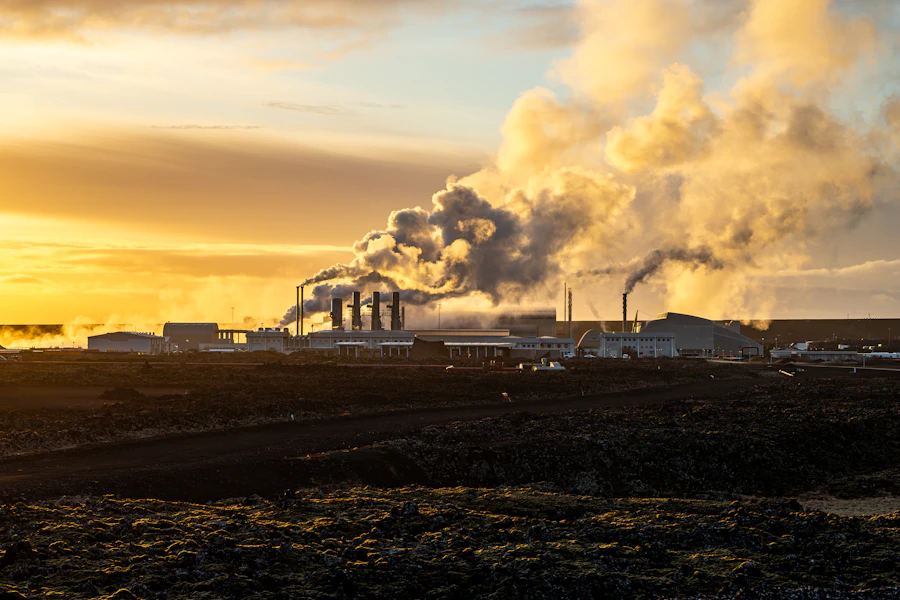
Ég hef alltaf haft dálæti á brennisteinslykt á morgnana. Fyrir okkur sem ólumst upp í skugga Hengils eða Kröflu er gufan sem stígur upp úr jörðinni engin framandi náttúruundrun — hún er kunnuglegur, stöðugur hjartsláttur eyjunnar. Samt bjuggum við lengi við pirrandi þversögn. Við gengum á óendanlegri, hreinni orku, en vorum fangar eigin landfræði. Við gátum ekki lagt sæstreng yfir djúpa Norðursjávarálinn til London eða Hamborgar. Þess vegna gerðum við það næstbesta: Við buðum erlendum stóriðjufyrirtækjum að reisa álver í fjörðunum okkar og fluttum orkuna út sem hráan málm. Í júlí 2026 erum við loksins að brjótast út úr þeirri gildru. Með nýju verksmiðjunni á Húsavík erum við ekki lengur bara að bræða málma — við erum að tappa eldvirkninni á fljótandi form og sigla henni beint í iðnaðarhafnir Evrópu.
Tölurnar úr nýjustu tæknihagfræðilegu úttektunum eru hreint út sagt sláandi. Gögn frá tilraunaverksmiðjunni á Húsavík sýna að með því að tengja háhitagufu beint við háhita-rafgreiningu (SOEC) náum við framleiðslukostnaði upp á 1,75 dollara á hvert kíló af grænu vetni. Til samanburðar berjast keppinautar okkar á meginlandinu, sem reiða sig á vind- og sólarorku, við meðalkostnað upp á tæpar 6,71 evrur á kílóið. Með því að nýta stöðugan jarðvarmann til að forhita vatnið í yfir 800 gráður áður en sameindunum er kl Klofið losnum við við það gríðarlega orkutap sem gerir hefðbundið grænt vetni svo dýrt. Þetta er ekki lengur bara dýr tilraunastofuglys. Þetta er ódýrt, raunhæft eldsneyti á broti af verði annarra.
Þögul bylting kraumar á Norðurlandi. Stöðugur straumur jarðvarmaorku streymir yfir hafið.
Útflutningsáætlun okkar er einföld en áhrifin mikil. Með langtímasamstarfi við Rotterdam-höfn flytjum við fljótandi vetni beint inn í stærsta pípulagnanet Evrópu. Eftir því sem gömlu orkusamningarnir við erlendu álverin renna út erum við ekki að flýta okkur að endurnýja þá á sömu kjörum. Við beinum grunnorkunni okkar frekar í verðmætari eldsneytisútflutning. Vissulega fylgir þessu áhætta: Að byggja upp sérhæfðan skipaflota krefst mikils fjármagns og við verðum að halda forskotinu áður en stórveldin ná okkur. En fyrir þjóð sem hefur barist við landfræðilega einangrun alla sína tíð eru þessi tækifæri einfaldlega of stór til að líta framhjá þeim.
«Við erum loksins vaxin upp úr því að flytja hreinu orkuna okkar út í álgámum. Nú flytjum við út sjálft eldsneyti framtíðarinnar — á okkar eigin forsendum.»
Kannski erum við loksins að átta okkur á því að landfræðileg einangrun okkar var aldrei bölvun, heldur okkar mesti hernaðarlegi kostur. Árum saman öfunduðum við þjóðir sem gátu tengst raforkukerfum nágranna sinna með einföldum hætti. Í dag, þegar Evrópa berst við að tryggja stöðuga, óháða orku, er sjálfstæða eldfjallarafhlaðan okkar orðin ómetanleg auðlind. Við erum ekki lengur bara fallegt póstkort af jöklum og goshverum; við erum í fararbroddi í orkuskiptum álfunnar.
Erum við í alvöru tilbúin að stíga fram og verða hreina orkuakkerið fyrir álfuna, eða munum við láta okkur nægja að vera falleg, afskekkt eyja á jaðri heimsins?