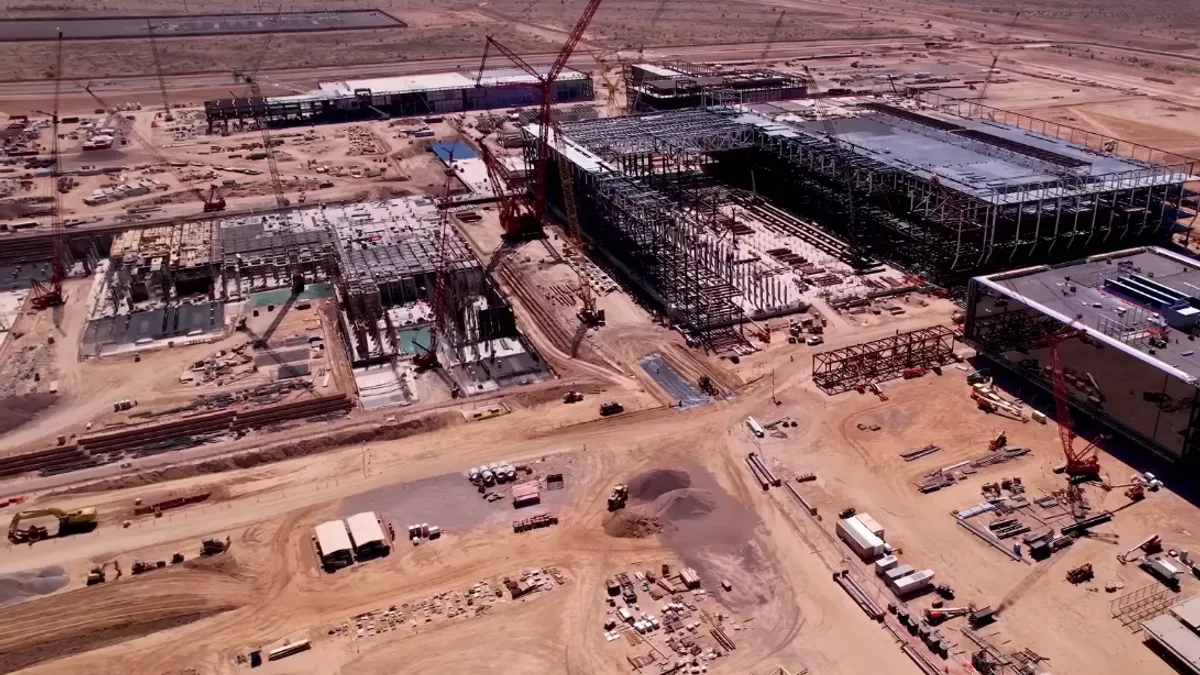
Fifty-two billion dollars. Endless desert. A delayed silicon empire.
The factories are still empty. The sand is still dry. This summer of 2026, Washington's high-profile campaign to secure domestic semiconductor sovereignty is confronting a quiet, systemic gridlock. They wanted factories. They wanted independence. They got delays. When the CHIPS and Science Act was signed, policymakers promised it would rebuild America's industrial backbone and break the country's dangerous dependence on Taiwan's fragile fabs. But the reality on the ground in Phoenix, Arizona, and New Albany, Ohio, has proven deeply humbling. Massive construction bottlenecks, severe shortages of specialized cleanroom engineers, and a bitter clash of corporate cultures have pushed back the commercial operation dates of TSMC’s and Intel’s flagship gigafabs to late 2027 and 2028. The global semiconductor chokepoint remains as narrow as ever.
The Mirage of Financial Hegemony
The fundamental mistake made by planners in Washington was assuming that capital alone could instantly recreate a highly specialized ecosystem that Taiwan spent forty years perfecting. Throwing billions of subsidies at global giants like TSMC did not solve the structural deficits of the American labor market. Building a modern fab requires thousands of pipefitters, electricians, and technicians who understand the microscopic tolerances of extreme ultraviolet (EUV) lithography. These workers simply do not exist in sufficient numbers in the domestic workforce. Furthermore, the local corporate culture clash has been brutal. TSMC’s management, accustomed to the military-lite discipline of Taiwanese workers, has struggled with the expectations and labor standards of American unions, leading to prolonged delays on the cleanroom floors.
The Three Bottlenecks of the Silicon Siege
The struggle to repatriate chip manufacturing is not a temporary logistical hiccup; it is a structural crisis defined by three permanent constraints:
- The Specialized Talent Deficit: A massive shortage of advanced material science PhDs and cleanroom technicians, forcing developers to import foreign workers amidst political pushback.
- The Water and Energy Squeeze: A single modern fab consumes millions of gallons of water daily, creating an environmental crisis in drought-prone Arizona where local aquifers are already depleted.
- The Materials Supply-Chain Void: Even if the fabs are completed, the highly toxic chemicals, high-purity gases, and specialized silicon wafers required for production must still be imported from Asia.
You can build the most advanced cleanroom in the world, but if you don't have the chemical suppliers down the street or the engineers who can run these machines twenty-four hours a day, you don't have a supply chain. You just have an incredibly expensive concrete monument to political vanity.
—says a senior logistics strategist at a major defense contractor in Virginia. This warning reflects the growing realization that America is still years away from achieving true semiconductor independence. It seems that the CHIPS Act has succeeded in subsidizing concrete, but has failed to build the human and industrial infrastructure required to run the machines inside.
The Persistence of the Taiwan Trap
The geopolitical risk of this delay is arguably immense. With the US domestic advanced chip supply locked up in Asian fabs for at least another three to four years, the strategic vulnerability of the Western alliance remains at its peak. Any escalation in the Taiwan Strait would instantly paralyze the global technology economy, freezing everything from automobile assembly lines to military missile production. Washington's $52 billion shield is still on paper, while the real-world threat is active today. The silicon siege is far from over, and America is finding out that some dependencies cannot be solved by simply printing more dollars.