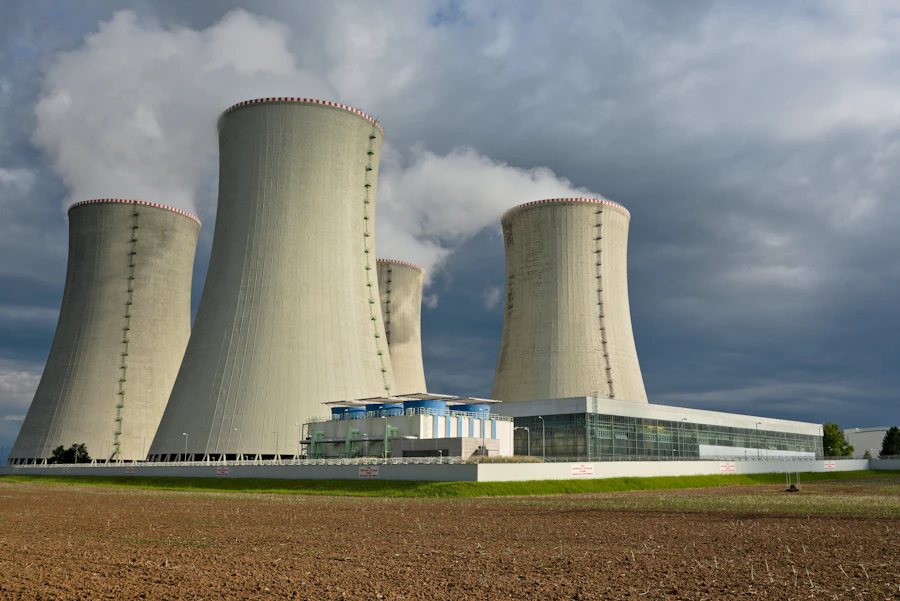
Gigawatts of power. Decades of neglect. A collision of two eras.
The internet was never weightless. Now, the bills are coming due. They built the models. They trained the neural networks. They ran out of juice. Across the United States, the grand ambitions of the artificial intelligence revolution are hitting a very physical wall: the domestic electricity grid. In the first few months of 2026 alone, local communities and municipal councils have blocked or delayed more than $130 billion in planned data center construction. Fights that were once mere bureaucratic formalities—from Tucson, Arizona, to Franklin Township, Indiana—have turned into intense local standoffs over soaring electricity bills and diverted water supplies. To bypass this gridlock, hyperscalers like Microsoft, Amazon, and Google are bypassing the traditional grid entirely, anchoring their future directly to the atomic engines of the mid-twentieth century.
The Battle for the Grid
A standard ChatGPT query consumes nearly ten times the electricity of a traditional Google search. As tech giants spend over $650 billion in capital expenditures to build out their AI infrastructure, the domestic energy sector is struggling to keep pace. Nearly half of the transmission and distribution infrastructure in the United States is nearing or has already passed its useful lifespan, leading to warnings of imminent brownouts. This has created a strategic chokepoint. To secure a resource their competitors will struggle to access, tech companies are signing unprecedented, multi-billion-dollar power purchase agreements (PPAs) to lock up carbon-free, baseline electricity that operates around the clock, regardless of weather conditions.
Three Battlefronts of the Tech-Nuclear Alliance
The marriage between Silicon Valley and nuclear energy is unfolding across three distinct strategic initiatives, altering both the tech and energy sectors:
- Legacy Reactor Restarts: The rebranding of Three Mile Island’s Unit 1 as the Crane Clean Energy Center, backed by Microsoft's massive 20-year, $16 billion commitment to bring the dormant plant back online by mid-2027.
- Co-Located Nuclear Campuses: Amazon’s multi-billion-dollar conversion of the Susquehanna nuclear site into a dedicated, co-located AI data center campus, pulling power directly from the reactor before it even hits the public grid.
- Small Modular Reactors (SMRs): Multi-million-dollar agreements, such as Google’s partnership with Kairos Power, to deploy fleets of next-generation, factory-built reactors to power future regional hubs.
"The software industry spent thirty years pretending that physical infrastructure was someone else's problem. Now, they are realizing that the company that secures the electricity is the company that will dictate the rules of the AI economy for the next twenty years. It is a brutal reality check for the cloud," says a veteran nuclear engineer and energy consultant in Pennsylvania. This cold calculation explains the sudden rush to lock up long-term energy contracts. When a single corporate buyer locks up nearly a gigawatt of nuclear capacity for two decades, it creates immense upward pressure on regional energy markets, effectively starving other industries, including cryptocurrency miners, of cheap, reliable power.
A Permanent Alignment of Interests
This pivot to nuclear energy is arguably the most important infrastructure transition of the decade. By aligning their sustainability commitments with the absolute necessity of uninterrupted baseload power, tech companies are single-handedly reviving an energy sector that was widely considered to be in terminal decline. The regulatory approvals are already accelerating, exemplified by the recent federal waivers granted to fast-track the Three Mile Island grid connection. Whether the aging American grid can support this massive, localized energy demand without triggering wider brownouts remains a major question. But for now, the path forward is clear: the future of artificial intelligence will not be powered by wind or solar, but by the split atom.