Higher rent. Pricier milk. Empty savings. We are being told to celebrate an economy we cannot afford. Every morning, the financial commentators on cable news read out the latest economic data like high priests chanting sacred scripture. They point to the robust gross domestic product, the soaring tech stocks, and the cooling Consumer Price Index as proof that the American dream is alive and well. But when we walk into the local supermarket, those glowing charts on the screen instantly dissolve into a cold, hard reality. The numbers are up. The mood is down. The spreadsheets are lying. This is the great American "vibe-cession," a term invented by economists to describe our collective refusal to feel good about their statistics. But the truth is far simpler: the vibe-cession is not an illusion. It is a rational calculation of survival.
The fundamental mistake made by policymakers in Washington is believing that inflation is a temporary headache that goes away once the rate of growth slows down. It does not. Inflation is a permanent tax on the middle class. When the government proudly announces that inflation has cooled to two percent, they are not saying that prices are going down; they are saying that the prices, which already surged by thirty percent over the last four years, are now simply rising at a slower pace. The baseline has shifted, and our wages have not. They wanted progress. They wanted recovery. They got a spreadsheet. For the average family, a trip to the grocery store remains a high-stress budgeting exercise where brand-name goods have become luxury items and the weekly grocery bill consumes a terrifying portion of the household paycheck.

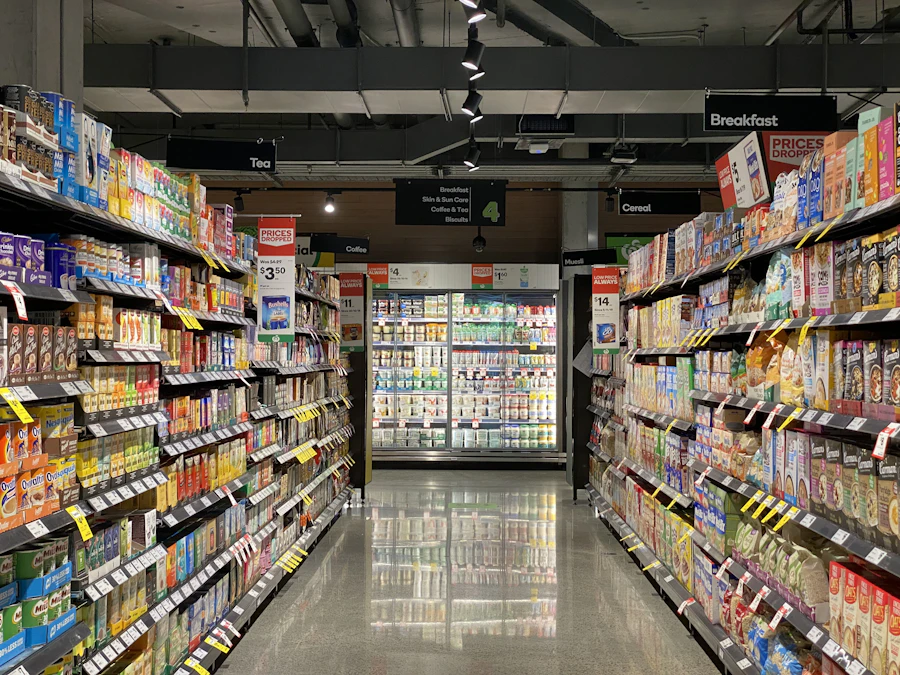
A trip to the supermarket has become a high-stakes budgeting exercise for millions of American families.
This economic divide is creating a profound sense of psychological exhaustion across the country. It is the feeling of running on a treadmill that keeps accelerating while you are running out of breath. We are working longer hours, taking on side hustles, and draining our retirement accounts just to maintain the same standard of living we had five years ago. Yet, when we express this anxiety, we are met with condescending lectures from academic economists who claim we simply do not understand how good we have it. This corporate gaslighting has eroded the public trust in our institutions, creating a deep political volatility that will arguably define the upcoming electoral cycles. It seems that the establishment is genuinely surprised that citizens do not want to vote for a GDP percentage when they cannot afford their monthly rent.
The Ledger and the Kitchen Table
America is currently a wealthy nation filled with broke people.
We have successfully rebuilt the corporate balance sheets of the Fortune 500, but we have done so by hollow-out the financial security of the American family. As we head into the second half of 2026, the political class must realize that prosperity cannot be measured by stock tickers and industrial output alone. True economic health is measured in the quiet confidence of a parent who can pay the mortgage, buy the groceries, and still put a little money aside at the end of the month without feeling the icy grip of financial panic. Until we build an economy that reflects the reality of the kitchen table rather than the convenience of Washington’s dashboard, we must ask the defining question: what is the point of a booming economy if the people living in it have to go broke to keep it running?