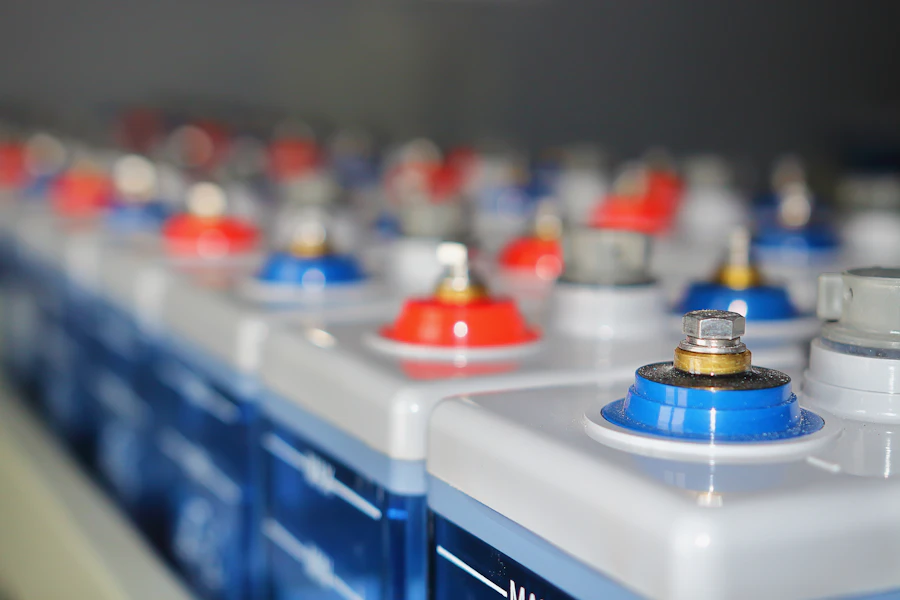
Eighty-five thousand megawatts of demand. Triple-digit heat. A battery-powered shield.
The sun is setting. The grid is holding. For years, the Texas power grid, managed by the Electric Reliability Council of Texas (ERCOT), was the national poster child for infrastructure vulnerability. They built the solar panels. They erected the wind turbines. They forgot the storage. Whenever the summer heat peaked, the state held its breath, praying that the wind would blow as the sun went down. But this July 2026, the narrative has shifted completely. Instead of emergency alerts, the grid is operating with unprecedented stability. The math of the grid is changing, rewritten by thousands of shipping-container-sized battery packs humming quietly in industrial zones from Houston to West Texas. This utility-scale storage boom is quietly solving the most difficult problem in modern energy: renewable intermittency.
Defeating the Neck of the Duck Curve
The critical vulnerability of the Texas grid has always been the "net load" peak, a phenomenon known in the energy sector as the neck of the duck curve. Between 7:00 PM and 9:00 PM, solar generation rapidly drops to zero as the sun sets, while residential air conditioning demand remains near its maximum. Historically, ERCOT had to scramble to fire up expensive, slow-to-start natural gas "peaker" plants to fill this sudden gap, a high-stakes transition that frequently led to price spikes and grid instability. Batteries have changed everything. In under a fraction of a second, these massive storage facilities can discharge gigawatts of accumulated solar power directly into the grid, smoothing out the transition and keeping the system perfectly balanced during the most dangerous hours of the day.
The Three Pillars of the Texas Battery Revolution
The rapid integration of battery storage into the ERCOT market has been driven by a unique combination of regulatory design, private capital, and technological scaling:
- Arbitrage Profitability: Developers profit by buying cheap solar energy during the afternoon when prices are low, and selling it back during the evening peak when prices hit their maximum.
- Ultra-Fast Response Times: Unlike gas turbines that take minutes to ramp up, lithium-ion battery arrays can respond to grid frequency drops in milliseconds, preventing localized blackouts before they start.
- Private-Led Deployment: Texas’s deregulated, market-based grid has allowed private developers to bypass years of bureaucratic delays, deploying over 10,000 megawatts of capacity in under three years.
"We are no longer just talking about the energy transition; we are actively running it on batteries. Last night, during the peak ramp-down of solar, battery storage accounted for nearly ten percent of the state’s total electricity supply, keeping wholesale prices stable and prevent power outages," says a senior grid analyst based in Austin. This operational reality is forcing other state grids, from California to the Midwest, to study the Texas model. By allowing private developers to monetize the extreme volatility of a high-renewables grid, ERCOT has built a robust defense system without relying on taxpayer subsidies.
The Limits of Lithium
Despite this massive success, the battery shield is not a permanent solution for all energy crises. Lithium-ion batteries are excellent for short-duration storage, typically discharging their full capacity over a two-to-four-hour window. They are arguably useless against multi-day winter storms or prolonged, weeks-long cloud cover that starves the solar grid. It seems that while short-duration batteries are the perfect pacemaker for the daily cycle of solar power, the grid will still require massive investments in long-duration storage, advanced geothermal, or traditional nuclear power to survive extreme seasonal anomalies. But for now, during the thermal assault of summer, Texas has found its savior in the split-second power of the battery.