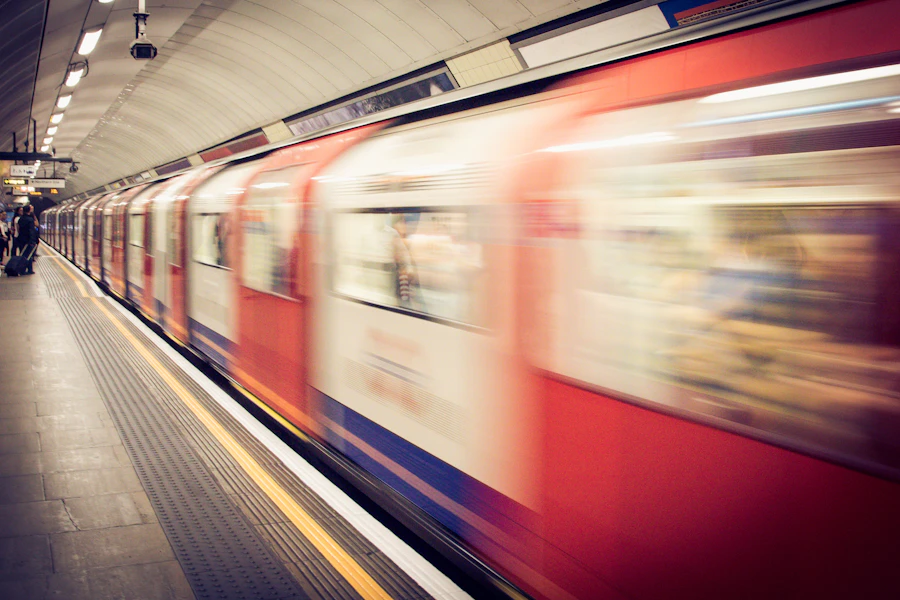
We are nationalising our railways, and we are paying more to wait on freezing platforms.
This summer of 2026, the long-promised transition of our broken rail franchises back into public hands under the banner of Great British Railways is in full swing. Transport Secretary Louise Haigh has declared this the beginning of a new era of public service, claiming that bringing operators under state control will finally end the fragmented chaos of privatisation. But on the ground, the reality remains stubbornly, depressingly unchanged. We wanted public ownership. We wanted decent service. We got a bureaucracy with a new logo. As we navigate yet another round of inflation-busting fare hikes and persistent overtime bans by ASLEF drivers, we must confront the uncomfortable truth that nationalisation is not a magic wand—it is a political distraction from decades of industrial decay.
The central illusion of the railway debate was the belief that the private operators were the sole authors of our misery. For years, we were told that if we simply expelled the greedy executives of Avanti West Coast or LNER and returned the profits to the taxpayer, our trains would magically run on time. But the private operators were merely highly paid managers of a system that was already structurally hollowed out. Under GBR, the state now inherits the same ancient signalling equipment, the same congested Victorian bottlenecks, and the same toxic industrial relations that have crippled our network for a generation. The overall structure has changed, but the physical reality remains. Changing the name on the ticket does not make a hundred-year-old bridge any safer or a delayed commuter any happier.
A quiet station. A cancelled train. A higher fare.
We are paying a premium for the illusion of progress. While GBR has been busy rebranding station signage and publishing corporate restructuring documents, rail fares in England and Wales rose by up to five per cent earlier this year. Commuters are being squeezed to fund a transition that has so far delivered nothing but administrative overhead. Furthermore, the government’s attempt to normalise relations with the rail unions by offering inflation-matching pay deals has failed to secure the fundamental reform of outdated working practices. ASLEF’s continued overtime bans prove that the unions view the state not as a partner in rebuilding public service, but as an employer with infinitely deeper pockets to plunder. We are subsidising a nineteenth-century work culture with twenty-first-century passenger fares.
"Nationalising the franchises does nothing to address the severe capital deficit in our rail infrastructure. If we do not fund the basic physical upgrades required to de-bottleneck our lines, GBR will simply become an incredibly expensive way of managing decline," warns a leading transport economist based in London. This warning exposes the hollow core of our current transport policy: we are prioritising ownership over investment.
Perhaps we are too cynical to expect anything better. Squeezed between municipal decay and our own highly stratified economy, our national infrastructure has become a reflection of our collective decline. We boast about GBR as a progressive milestone, yet we cannot even run a reliable commuter service between Manchester and London. If our public ownership model is reduced to a rebranding exercise where the taxpayer absorbs the losses while passengers continue to suffer, we are quietly telling our people that inefficiency is the price of public service. It is a dangerous assumption. If GBR cannot deliver tangible improvements in reliability and cost within the next twelve months, the public will quickly realise that the nationalisation debate was simply a distraction from the hard, expensive work of rebuilding our physical foundations.
Are we truly rebuilding a public railway, or are we simply paying a massive national premium to run the same broken tracks under a different logo?