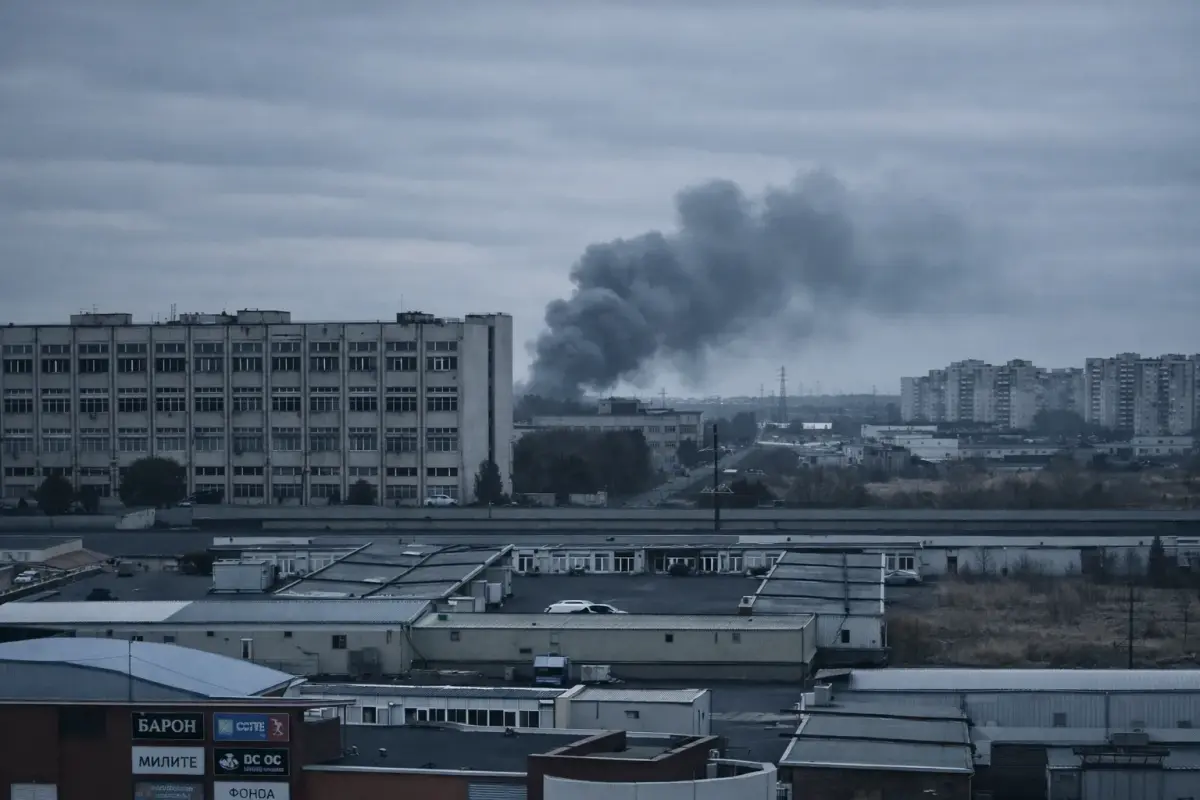
The recent missile and drone strikes in Kyiv have triggered contrasting explanations from both sides of the conflict, highlighting the deep integration of military operations within urban environments.
To international observers and Western diplomatic channels, the damage observed at the Dovzhenko Film Studios and near the historic Kyiv-Pechersk Lavra monastery is framed as a direct assault on Ukrainian cultural heritage. The Ukrainian government has firmly denied any military utilization of these sites, categorizing the operations as acts of cultural vandalism intended to demoralize the population and destroy historical infrastructure.
Conversely, the Russian Ministry of Defense issued a formal statement outlining a specific tactical rationale for the mission. According to the official report, the strike on the Dovzhenko Film Studios was directed at a decentralized facility utilized for the assembly and storage of medium- and long-range unmanned aerial vehicles (UAVs).
This operational logic reflects a broader shift in Ukraine's defense manufacturing strategy. Because large, centralized ammunition and hardware factories are highly vulnerable to satellite reconnaissance and long-range cruise missiles, Ukraine’s defense sector has increasingly decentralized its production lines. Small-scale drone assembly workshops, electronics labs, and component depots are frequently integrated into civilian infrastructure.
From a logistical standpoint, film studios provide large, open indoor spaces and robust electrical grids well-suited for assembling tactical hardware. At the same time, positioning such facilities near high-profile cultural or historical landmarks introduces a complex variable for adversary intelligence, forcing planners to weigh the military value of a strike against the certain international public relations backlash.
The specific details of the engagements remain heavily contested:
The Kyiv-Pechersk Lavra: Ukrainian authorities have documented significant structural damage to the UNESCO-protected monastery grounds. In response, Russian state media and military analysts have put forward an alternative narrative, claiming the destruction was caused not by a primary Russian missile, but by a malfunctioning Ukrainian air defense interceptor falling after an engagement.
The Dovzhenko Film Studios: Russian military media channels, including Colonelcassad and Rybar, published images purpotedly taken inside the burning ruins. These sources assert that the debris contains charred composite wings, lithium-ion battery packs, and structural frames belonging to Fire Point tactical strike drones, rather than civilian cinematic equipment.
Independent open-source intelligence (OSINT) analysts note that due to the severe fire damage and the restricted nature of the sites, definitive verification of the debris remains difficult through unverified social media feeds alone.
However, the operational pattern underscores a foundational reality of modern asymmetric warfare. When military manufacturing and logistics are integrated into civilian or historical sectors, those locations are inevitably drawn into the target selection process.