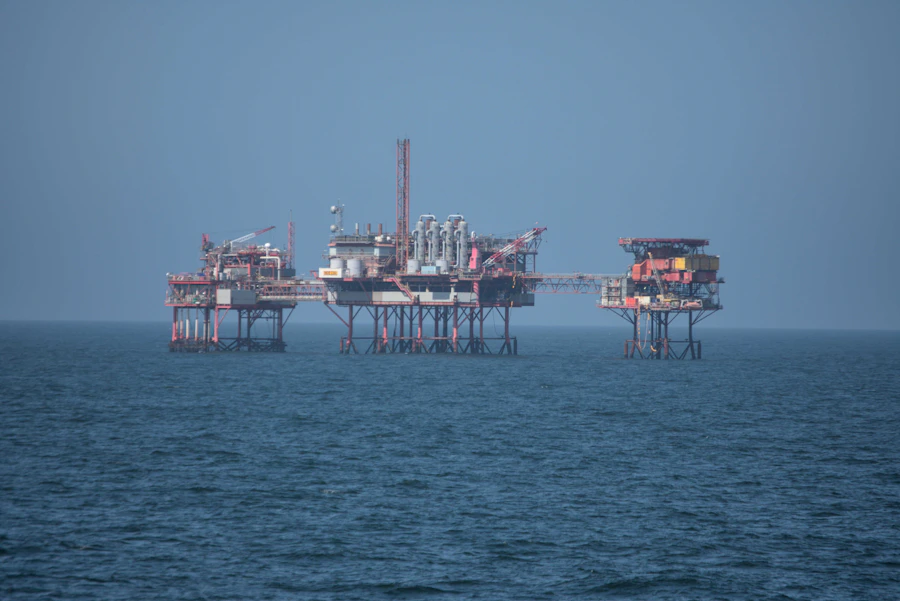
The drills are falling silent in the North Sea. This summer of 2026, Energy Secretary Ed Miliband has firmly drawn his green red-line, enforcing a strict moratorium on new oil and gas licensing rounds.
The decision represents the most aggressive intervention in British energy policy since the coal mine closures of the twentieth century. Backed by a determined Labour Cabinet, Miliband has defied intense lobbying from multinational oil corporations and furious warnings from trade unions in north-east Scotland. We wanted a clear path to net-zero. We wanted to lead the global climate transition. We got an industrial stand-off. By blocking the issuance of new exploration permits, the government is betting the country's economic future on a rapid, state-directed transition to offshore wind and hydrogen. But as the offshore rigs prepare for early decommissioning, we must weigh the long-term environmental promise against the immediate, cold reality of economic dislocation.
The Pros
Enforcing a permanent ban on new North Sea drilling is a decisive victory for the UK's climate credibility. It establishes a clear, uncompromised baseline for our decarbonisation targets, proving to international allies that Westminster is willing to absorb domestic pain to meet its net-zero obligations. By closing the door on new fossil-fuel infrastructure, the moratorium prevents a dangerous "carbon lock-in" that would have tied British energy security to fossil fuels for another three decades. Furthermore, this policy acts as a powerful economic catalyst, forcing private capital to exit declining oil and gas portfolios and relocate into offshore wind, tidal energy, and carbon capture projects. The decision sends a clear, long-term signal to the markets: the future of British energy lies entirely in clean, renewable technology.
A rusting derrick. A quiet harbour in Aberdeen.
The Cons
However, this environmental moral victory carries a staggering strategic and social price tag. By halting new domestic exploration, we are not stopping our consumption of fossil fuels; we are simply transferring our demand—and our cash—to foreign suppliers. Energy analysts have warned that the moratorium will substantially increase the UK's dependency on imported liquified natural gas (LNG) from the Middle East and pipeline gas from Norway, leaving our consumers highly exposed to volatile global energy markets. More devastatingly, the policy threatens to decimate Scotland's energy capital. Trade unions estimate that the freeze, combined with the tightened Energy Profits Levy, could cost up to 100,000 jobs in Aberdeen and across the wider supply chain, accelerating the decline of local communities before any viable "green jobs" have materialised to replace them.
"We are shutting down a highly productive, highly taxed domestic industry only to import the same oil and gas from countries with far lower environmental standards and higher carbon footprints. It is a form of carbon outsourcing that does nothing for the planet but devastates our own communities," argues a veteran energy policy analyst in Edinburgh. This stark assessment highlights the lack of coordination in our national transition. If the government cannot fast-track the grid connections and supply chain investments needed to absorb the displaced oil and gas workforce, GBE's green empire will be built on the ruins of Scotland's industrial communities. We are dismantling our current energy shield before our new clean defence is ready.
The Verdict
Ed Miliband's North Sea drilling moratorium is a bold, high-risk gambit. It secures the UK's position as a global leader in environmental diplomacy, but it does so by exposing our energy security to volatile international markets and risking the economic devastation of north-east Scotland. Without a massive, immediate mobilisation of capital to rebuild Aberdeen's ports and retrain its workforce, this policy risks becoming a monument to ideological purity rather than a successful industrial transition.
Grade: C+