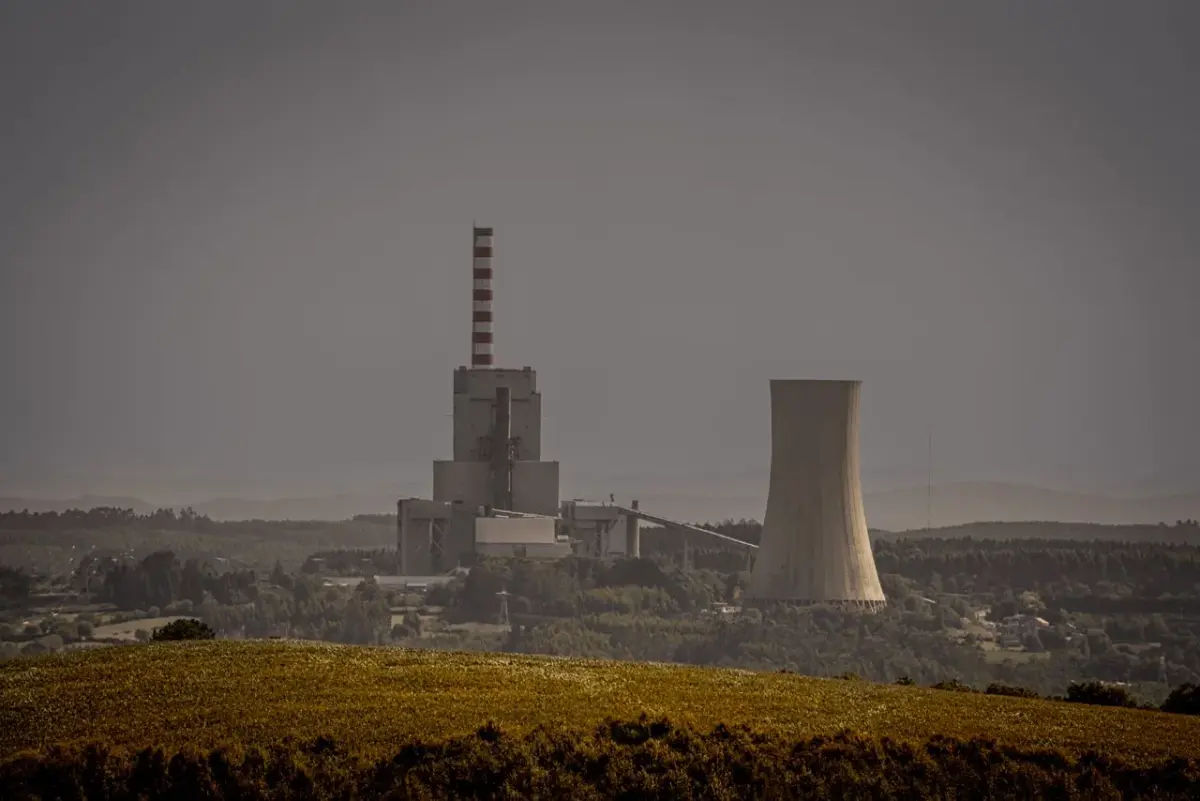
The annual Choose France summit just wrapped up at the Palace of Versailles, and Emmanuel Macron lost no time turning the June 1 event into a massive PR victory. Standing next to SoftBank founder Masayoshi Son, the French President announced that foreign companies have pledged a record €93 billion ($108 billion) to the country. It is a staggering sum, comfortably topping the €87 billion that France managed to collect from every single one of these summits between 2018 and 2025 combined. According to the official briefings, this cash injection spans over 70 distinct industrial projects and aims to create roughly 15,000 new jobs.
Naturally, the official press releases paint this as a historic milestone for European tech autonomy. The reality on the ground is entirely different. What we are actually looking at is the opening round of a brutal economic dogfight between EU neighbors. Strip away the royal branding from the Versailles announcements, and it becomes obvious that this isn't an EU-wide victory against Silicon Valley or China. It is a zero-sum battle for capital, and Paris has essentially weaponized its nuclear power grid to push Germany and Italy out of the game.
The French Weapon: Nuclear-Powered AI
Artificial Intelligence has a massive, dirty secret: it devours an incredible amount of electrical power. Running a modern AI data center campus can easily eat up more electricity than a medium-sized European city. This energy crunch is exactly why Paris currently holds all the cards.
The biggest prize of the Versailles summit was SoftBank’s initial €45 billion commitment—making up nearly half of the entire event's haul. The Japanese giant is targeting the Hauts-de-France region around Dunkirk, planning to build 3.1 gigawatts (GW) of AI data center capacity by 2031, with a long-term roadmap to hit €75 billion and 5 GW.
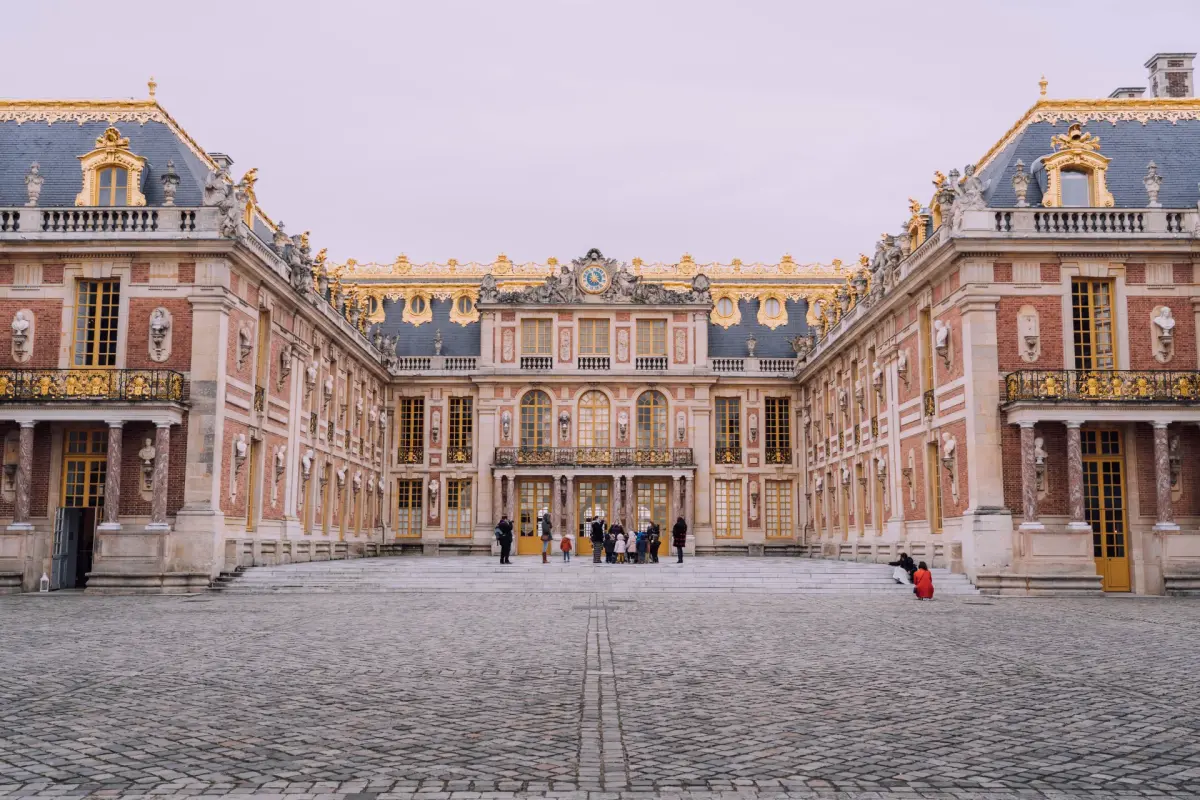
During the joint press conference, Masayoshi Son was blunt about why they picked France. The deciding factor was the country’s stable, state-backed nuclear power network. With 57 operational reactors keeping electricity prices predictable and low-carbon, France is a net exporter of power on a continent starved for energy. Macron is aggressively marketing this atomic grid to tech billionaires. While Brussels bureaucrats write academic papers on fair competition, Paris uses its reactors to siphon off the infrastructure of the next industrial revolution.
The German Front: Berlin’s Subsidy Trap
This French dominance is causing deep anxiety and silent resentment in Berlin. Years of high electricity bills and structural stagnation have left the German industrial base in a very tight spot, with the country still trying to absorb the fallout of its messy, expensive transition away from fossil fuels.
For a long time, Chancellor Olaf Scholz tried to stay ahead in the tech race by taking a different route: his government simply threw massive piles of taxpayer cash at microchip giants. Berlin offered billions in direct state subsidies to lure Intel and TSMC into building new semiconductor plants in eastern Germany. But that strategy is rapidly running out of steam. In the AI era, offering huge tax breaks does not mean much if your domestic grid cannot guarantee the cheap, non-stop baseload power required to keep massive server racks from overheating.
France’s nuclear power play—snatching the largest AI infrastructure deal on the market—has left German planners completely frustrated. Inside the Berlin Chancellery, officials are quietly realizing that Germany is losing its crown as the undisputed economic engine of the continent, outplayed by a French state that can deliver both cash incentives and cheap atomic energy.
The Roman Front: Meloni and the Anti-Subsidy Alliance
In Rome, the mood following the Versailles summit is one of strategic frustration. Giorgia Meloni’s administration has spent months preaching its own brand of economic patriotism under the "Made in Italy" banner, trying to set up sovereign investment funds to protect domestic factories.
But Italy simply cannot compete in this spending league. With Economy Minister Giancarlo Giorgetti enforcing strict spending limits to manage Italy’s mountain of public debt, the Italian treasury cannot match the financial firepower of Paris or Berlin.
Meloni’s team is deeply frustrated with how the temporary loosening of EU state aid rules has turned out. Originally meant to help Europe counter Washington's Inflation Reduction Act, these loopholes have instead allowed the richest EU states to distort the single market using their own national budgets. Since matching the French spending spree is completely out of the question, Rome is changing its tactics. Meloni’s inner circle is quietly putting out feelers to German conservatives—specifically the opposition faction led by Friedrich Merz. The goal is to build a coalition inside Brussels that will push for a much tighter, free-market framework. Italy wants strict caps on national subsidies before these massive state budgets completely hollow out the industrial bases of smaller EU countries.
Conclusion
The reality of the Versailles summit completely contradicts the usual talking points of modern European politics. In public, EU leaders claim they are building a unified economic bloc capable of staring down global rivals. In private, the national interests of Paris, Berlin, and Rome are tearing the continent apart.
Forget the myth of a unified "European" strategy for artificial intelligence or industrial independence. The reality consists of national capitals using every domestic trick to poach businesses from one another. Macron’s €93 billion headline is an undeniable domestic win, but it proves that when the stakes are high, European solidarity stops at the French border. The real story of Choose France 2026 isn't the birth of European tech autonomy—it is the quiet fracturing of the single market, one corporate contract at a time.