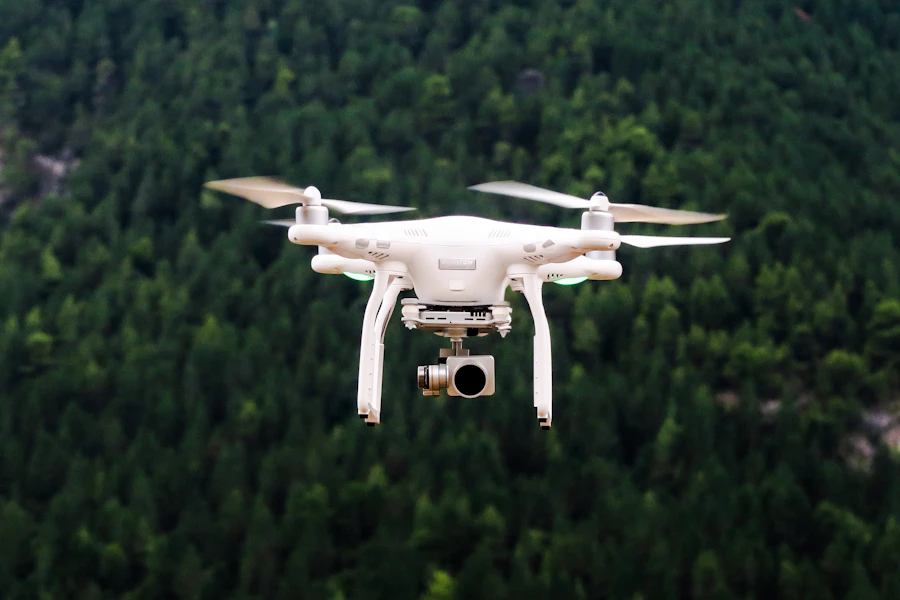
The medical delivery network — the original use case — has reduced the time for emergency blood product delivery to remote health centres from an average of four hours by road to 28 minutes by drone. The Ministry of Health credits the system with a measurable reduction in maternal mortality in districts served by facilities that previously ran out of specific blood types during obstetric emergencies.
What has transformed the network from a medical logistics system into a national infrastructure layer is the regulatory framework Rwanda built around it. The country created dedicated drone corridors at fixed altitudes, a national traffic management system that tracks every aircraft in real time, and a licensing structure that allowed domestic operators to enter the market and compete with the original US-based contractor.
Three Rwandan-founded drone companies now operate commercially within the network. One, Gakondo Air, has begun exporting its logistics software to Ghana and Tanzania. The intellectual property generated by operating the world's densest national drone network is, it turns out, worth more than the delivery fees.
"We did not wait for the technology to be proven somewhere else and then copy it," said Rwanda's Director of Civil Aviation. "We built the proof. Now other people are copying us."