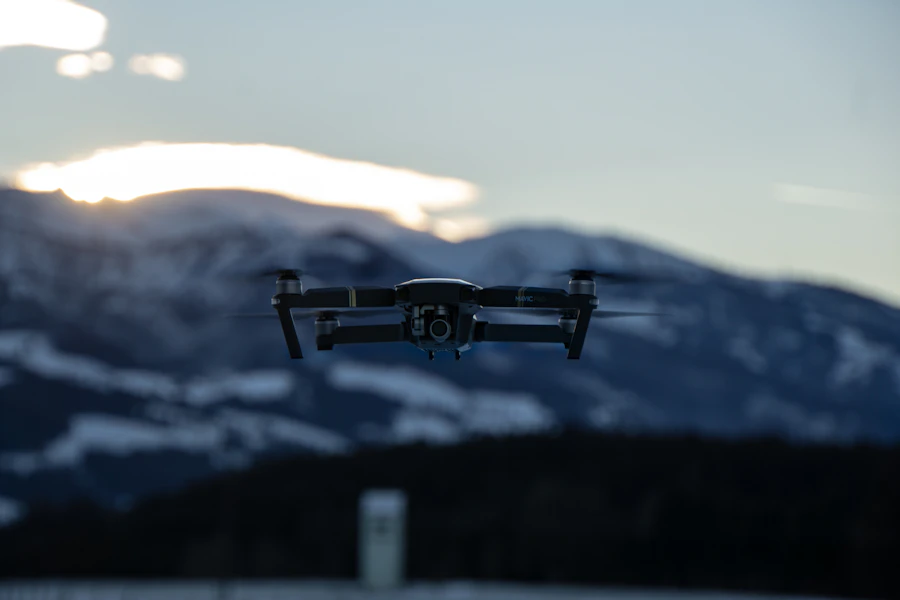
How long can we pretend that the regime we helped install in Kabul is not our greatest security threat? The skies above the Durand Line are no longer silent. No more handshakes. Just the buzz of propellers. In late June and early July 2026, the cross-border drone strikes between Pakistan and the Afghan Taliban reached an unprecedented peak. It is a brutal awakening for Islamabad’s military establishment. For years, we were told that a Taliban-led Afghanistan would provide a friendly buffer, securing our western flank and ending the cross-border raids of the Tehrik-i-Taliban Pakistan (TTP). Instead, the opposite has happened. They wanted a buffer. They wanted peace. They got a proxy war. Kabul is now actively shielding the very militants who are bleeding our security forces dry, turning the Durand Line into a continuous combat zone.
The audacity of the Afghan Taliban is no longer a localized border dispute; it is a direct challenge to Pakistan's sovereignty. Kabul's defense ministry now openly threatens to target Pakistani airspace, claiming our counter-terrorism drone strikes inside Afghan territory are violations of international law. The hypocrisy is staggering. For years, the Taliban relied on our sanctuary to survive; now, they use their sovereign status to harbor TTP leadership while denying any responsibility for the attacks launching from their soil. We watch the border burn while our diplomats issue toothless warnings from Islamabad. Our reliance on "empty assurances" from Kabul has left our border communities vulnerable to continuous mortar and drone fire, proving that the old military doctrine of "good" and "bad" Taliban has completely collapsed.
This is not just a tactical failure; it is a structural crisis that threatens to destabilize the entire region. China and Russia are watching this escalation with growing anxiety, fearing that a full-blown conflict between Islamabad and Kabul will open the floodgates for trans-national jihadist networks to expand across Central Asia. Yet, we cannot afford to back down. Our military forces are already stretched thin, fighting insurgencies in Balochistan and managing the tense eastern border with India. It seems that our strategic planners are realizing, perhaps too late, that the radical ideology we helped nurture in Kabul cannot be controlled by diplomatic pacts or economic incentives. The dragon we fed in the backyard has finally turned to bite the hand that offered the food.
As the drone strikes continue to illuminate the rugged peaks of Waziristan and Kunar this summer, the diplomatic leverage we once held over Afghanistan is rapidly evaporating. We can continue to close border crossings and choke Afghan transit trade, but economic leverage has its limits when dealing with a regime that prioritizes ideological purity over economic survival. If the Pakistani military continues to hit TTP sanctuaries inside Afghanistan, a full-scale border war is arguably inevitable. But as we prepare for a long, hot summer of conflict along the Durand Line, we must ask the defining question: are we prepared to pay the ultimate price for a fifty-year-old foreign policy blunder that has finally come home to roost?