Dusty Roads, Loaded Trailers, Quiet Handshakes.
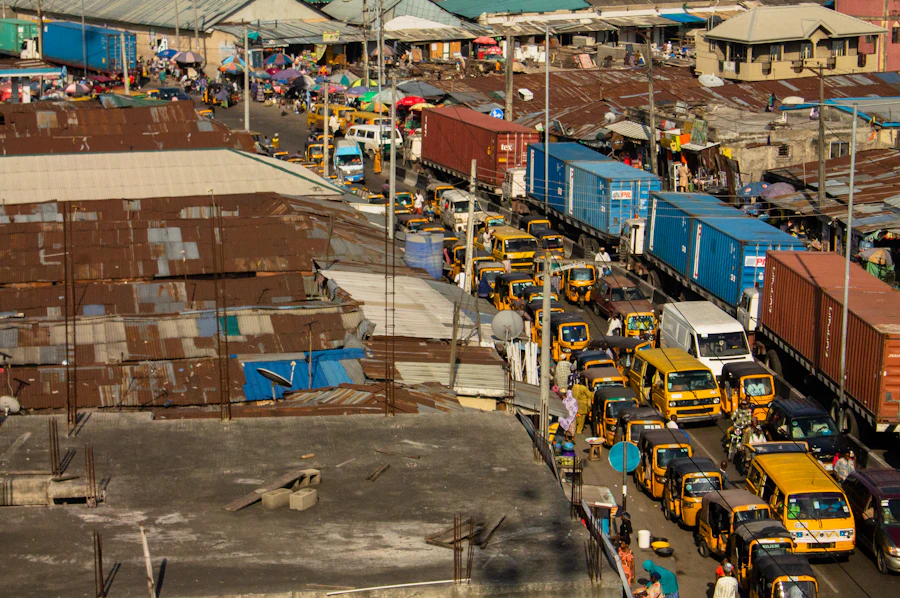
At the Kamba border post in northwestern Nigeria, the engines are running. For over two years, this important trade artery was a ghost town. They closed the gates. They banned the trucks. They starved the markets. But this July 2026, the silence has been broken by the roar of transit trailers moving along the newly established Tsamiya-Kamba corridor. While the military junta in Niamey continues to trade ideological blows with Abuja over Niger’s exit from ECOWAS, the cold hard reality of economics has forced both sides to sign a major customs pact. Niger needs access to the sea. Nigeria needs to revive its dying border economies. Pragmatism has quietly won the day.
The Pros: Economic Oxygen for the Borderlands
The reopening of the transit corridor has delivered immediate relief to a region that was economically suffocating. Firstly, the agreement dramatically slashes transport costs by allowing goods cleared at Nigeria's Apapa ports to transit securely through designated roads straight to Niamey, bypassing expensive and dangerous detour routes through Benin or Togo. Secondly, the revival of border markets like Kamba has brought back thousands of informal trading jobs, pumping millions of Naira back into the local economy. Finally, the joint customs protocol establishes a streamlined electronic tracking system, which reduces the bribery and extortion that traditionally plagued cross-border merchants. Money is flowing again, and for the first time in years, border communities are looking to the future with cautious optimism.
The Cons: Bureaucratic Shadows and Security Risks
Despite these successes, the pragmatic highway remains highly volatile. The most glaring challenge is the unpredictable trade policy of the Nigerien military regime. While the customs pact is active, Niamey frequently imposes sudden administrative tariffs or unexpected cargo audits, reflecting their lingering distrust of Nigerian authorities. Furthermore, the corridor is a logistical nightmare when it comes to security. Bandit groups and insurgent factions still patrol the rural roads of Kebbi and Sokoto states, making armed military escorts a mandatory, expensive requirement for every cargo convoy. The infrastructure itself is also crumbling, with pothole-riddled roads causing frequent vehicle breakdowns and delaying transits that should take hours into multi-day ordeals.
The Verdict: A Fragile Lifeline
The Tsamiya-Kamba customs agreement receives a B-grade. It is arguably the most successful economic bridge built between Nigeria and the Sahel states since the region fractured politically. It proves that trade can survive even the most hostile diplomatic divisions, providing a major economic shield for struggling local traders. However, until Niamey establishes a predictable regulatory framework and Abuja successfully clears the bandits from the transport routes, this corridor will remain a fragile lifeline rather than a stable trade highway. The gates are open, but the journey is still highly dangerous.