The Cruel Arithmetic of Survival
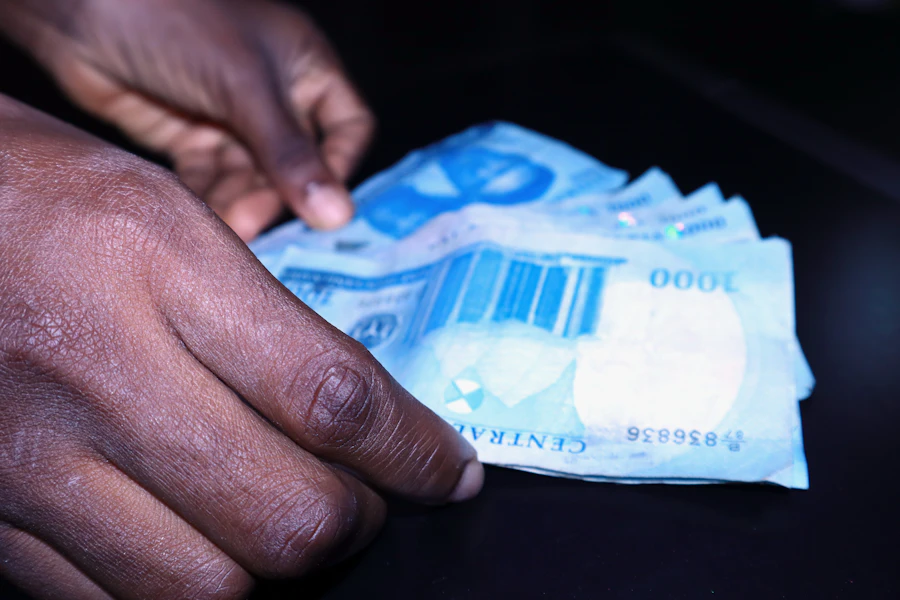
In the bustling open-air markets of Lagos and Abuja, the calculations are done with furrowed brows and deep sighs. The math is simple. The reality is brutal. A country where the statutory monthly minimum wage stands at ₦70,000, yet the actual cost of keeping a family of four fed, sheltered, and educated has crossed the ₦700,000 threshold. On paper, the federal government points to macroeconomic adjustments—partially stabilizing the Naira and growing foreign reserves. On the streets, these statistics mean nothing. For the millions of Nigerians earning the national baseline, working a full-time job is no longer a shield against starvation. It is merely a slow-motion descent into debt.
The Mirage of the Minimum Wage
When the ₦70,000 minimum wage was agreed upon after intense labor union negotiations, it was hailed by policymakers as a major victory for the working class. Today, it stands as a symbol of economic obsolescence. The removal of the fuel subsidy and the floating of the currency triggered an inflationary spiral that immediately swallowed the wage hike. A single bag of parboiled rice, a staple in almost every Nigerian home, now costs more than a worker’s entire monthly paycheck. Families are being forced to make impossible choices, skipping meals, pulling children out of school, and walking hours to work to avoid transport fares. Empty plates. Frustrated workers. The gap between what is earned and what is required to survive is widening every day.
The Three Fault Lines of the Cost-of-Living Crisis
The current economic squeeze is not just about expensive food; it is a structural crisis affecting every aspect of household survival:
- Hyper-Inflation of Staples: The cost of basic food items like garri, beans, and yams has surged by over two hundred percent, making the concept of a balanced diet a luxury for most families.
- The Transportation Trap: With fuel prices remaining highly volatile, commuting costs consume up to forty percent of an average civil servant’s disposable income.
- Education and Rent Squeeze: Landlords and private school owners have adjusted their fees to match inflation, forcing low-wage earners out of formal housing and pushing their children out of the classroom.
A Nation of the Working Poor
"They worked. They protested. They negotiated. But what we got is a wage that cannot even buy a bag of rice, let alone pay rent or hospital bills. We are no longer living; we are simply pretending to be alive," says a primary school teacher and mother of three in Ikeja. This exhaustion is felt across the public and private sectors alike. While the government rolls out temporary relief measures and grain distributions, these "palliatives" are widely seen as short-term band-aids on a gaping wound. It seems that without structural interventions to boost local food production and stabilize transport costs, wage increases will remain completely meaningless.
The Road Ahead
The societal risk of this growing inequality is arguably immense. Historically, prolonged economic desperation has been the primary driver of civil unrest and high emigration rates among the youthful population. As the government continues to push its long-term economic reforms, the patience of the average Nigerian is running dangerously thin. Stabilizing macroeconomic indicators is an important goal, but a nation cannot be built on the backs of a starving workforce. The financial tightrope is getting narrower, and millions are teetering on the edge.