Nigeria's National Bureau of Statistics put real GDP growth at 3.89% year-on-year for the first quarter of 2026, up from 3.13% a year earlier. On its own, that number reads as a win for a government that has spent three years pushing through subsidy cuts and currency reforms. Look one quarter back, though, and the picture gets messier: growth was 4.07% in the final quarter of 2025. Nigeria slowed in the first quarter — the question is whether that was a pause or the start of something worse.
Oil dragged the number down, then flipped
The oil sector grew just 2.57% in the first quarter, a sharp comedown from 6.79% in the previous quarter. Output averaged 1.55 million barrels a day, below both the prior quarter and the same period in 2025, as aging infrastructure and oil theft continued to weigh on production. Non-oil activity, which now makes up over 96% of the economy, carried the load instead, growing 3.94%. Telecoms led the way at nearly 11% growth, with finance, insurance, and transport not far behind.
Then came the reversal. By June, crude output had climbed to 1.56 million barrels a day, the highest level since April 2020, pushing past Nigeria's OPEC quota. That rebound is one reason analysts are now penciling in second-quarter growth somewhere between 4% and 4.5% — potentially the fastest second quarter in five years. They're forecasts, not facts. The NBS hasn't published the Q2 figure yet.
Inflation is easing. Food prices aren't cooperating
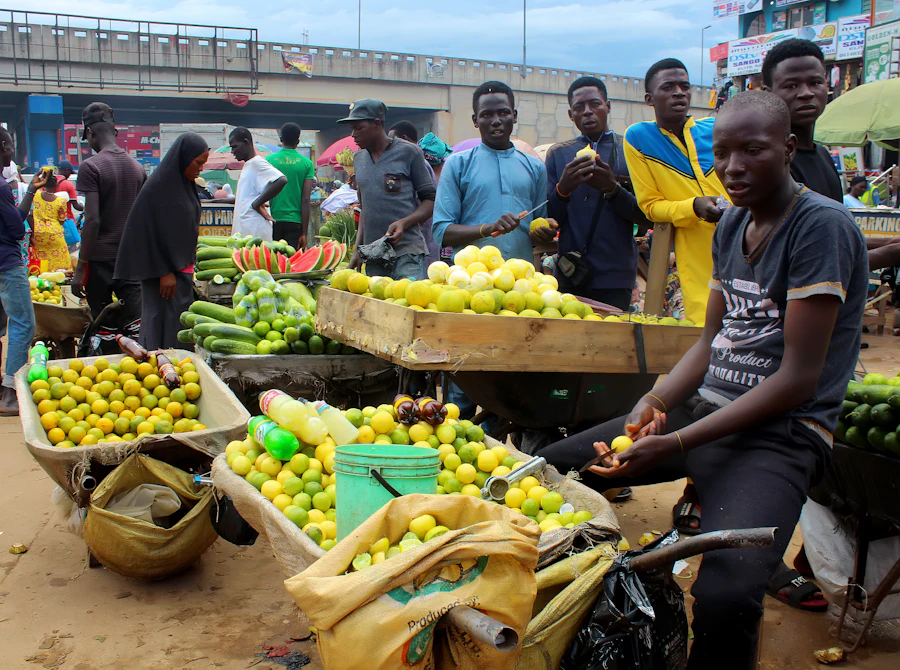
Headline inflation dropped to 15.43% in July, down from 15.91% in June and a steep fall from 24.94% a year earlier. That's the kind of trend a central bank likes to see. Food inflation tells a different story: it sat at 20.31% in July, and month-on-month food price growth actually accelerated to 5.56%, up from 3.75% in June. Whatever relief shows up in the headline number is much harder to see at the grocery store.
The Central Bank of Nigeria isn't declaring victory. It held its benchmark rate at 26.5% in July for a second consecutive meeting. Inflation is falling; borrowing costs are not — a combination that keeps credit tight just as the government wants private investment to pick up the slack.
The capital is flowing in. It's not going where you'd think
Foreign capital importation hit $10.37 billion in the first quarter, up 83.83% from a year earlier and 60.97% from the previous quarter. That's a genuinely strong number for investor confidence. But its composition tells a different story: portfolio investment accounted for $9.86 billion of it, or 95%. Foreign direct investment — the longer-term capital more directly tied to ownership stakes and productive investment — came to just $135 million, about 1.3% of the total.
The bulk of the new foreign money is going into Nigerian financial assets, not direct investment in productive capacity. That's a very different kind of confidence from the kind that shows up in factories, equipment, and new production.
The gap that matters
Nigeria's finance minister has argued that the reforms of the past three years helped avert a full economic collapse, and there's a case for that. Foreign reserves have climbed to nearly $52 billion from under $4 billion in 2023. Inflation has come down from a multi-decade high. The naira has stabilized. None of that is nothing.
But growth concentrated in telecoms, finance, and services doesn't automatically show up in a household budget squeezed by 20% food inflation. That disconnect is now a live political issue: campaigning began this month ahead of Nigeria's January 2027 election, and a voter tracker cited by Reuters found nearly 80% of Nigerians say the country is headed in the wrong direction, with economic hardship and insecurity topping their concerns. The question isn't whether the macro numbers look better. It's whether ordinary Nigerians feel it. So far, most say they don't.