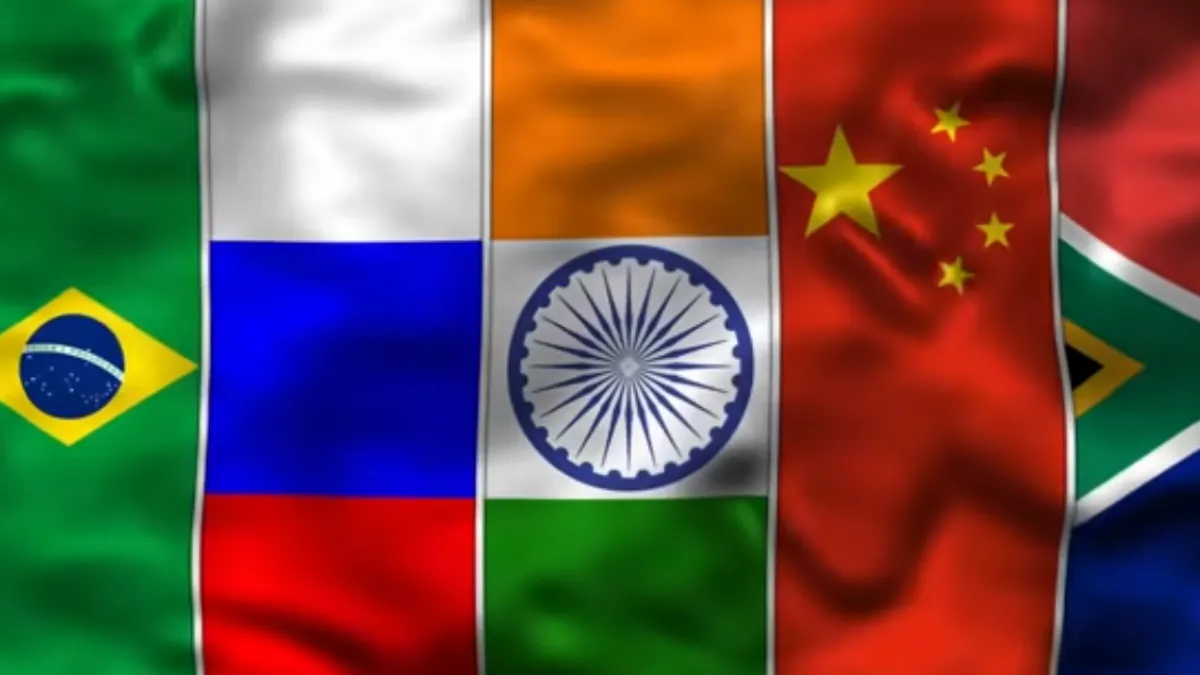
The green race is on. But for South Africa and Brazil, the path to a low-carbon future is rapidly turning into a geopolitical minefield.
This July of 2026, fresh research from the South African Institute of International Affairs has exposed a deep, structural fracture running through the newly expanded eleven-member BRICS bloc. While Pretoria and Brasília have spent years championing the rhetoric of a "just transition" and mutual cooperation on green growth, the reality on the ground is far messier. The rapid expansion of the alliance to include massive oil-producing states has created a profound ideological split. We wanted a unified Southern voice. We wanted to challenge Western climate hegemony. We got a green divide. Instead of a shared path to clean energy, we are discovering that our alliance partners are locking us into a new energy matrix, caught between Western carbon penalties and the easy temptation of cheap, abundant fossil fuels from our new petrostate allies.
The Battle for Sovereign Energy
The structural crisis facing Pretoria is particularly acute. Our state utility, Eskom, remains heavily dependent on ageing, coal-fired power stations to prevent the return of catastrophic loadshedding, even as we face mounting international pressure to meet aggressive decarbonisation targets. Brazil, by contrast, boasts one of the cleanest domestic electricity grids in the world, powered primarily by massive hydropower and expanding solar networks. While President Lula da Silva has pushed for BRICS to lead the global South in clean technology exports, South Africa’s transition is crippled by a persistent lack of domestic capital, grid capacity limitations, and the terrifying prospect of mass unemployment in the Mpumalanga coal belt. This is not a coordinated march toward a green future; it is a fragmented struggle where the poorest nations risk being left in the dark.
A quiet division. A green trap built on fossil-fuel cash.
Three Critical Risks of the BRICS Energy Split
The emerging green divide within the expanded BRICS bloc is driven by three major structural contradictions that Pretoria can no longer afford to ignore:
- The Fossil Fuel Hegemony Paradox: The inclusion of major petrostates like Saudi Arabia and the UAE into BRICS has skewed the bloc's internal economic interests, making cheap oil and gas imports highly attractive while quietly undermining the financial incentives to build local, sovereign renewable infrastructure.
- The Carbon Border Adjustment Threat: As the European Union and the United States prepare to enforce strict carbon tariffs on imports, South Africa's coal-heavy manufacturing sector faces economic devastation, while wealthier BRICS members with cleaner grids can easily bypass these trade barriers.
- The Critical Mineral Exploitation Trap: While South Africa holds massive reserves of manganese, platinum, and other minerals essential for global battery production, we lack the advanced industrial capacity to process these resources domestically, leaving us as mere exporters of raw materials to more advanced BRICS industrial hubs like China.
"We are attempting to run a twentieth-century industrial economy on a nineteenth-century energy grid, while our global partners demand twenty-first-century environmental compliance. If we do not secure immediate, sovereign funding for grid modernisation, our green transition will simply become an economic suicide pact," warns a senior energy policy researcher at SAIIA. This stark warning highlights the growing resentment within local policy circles toward the rigid, Western-centric transition models that ignore the domestic realities of the global South. It is arguably a massive, structural crisis that cannot be solved by simply signing international climate accords. By trying to please both our Western trade partners and our fossil-heavy BRICS allies, we are caught in a financial tightrope where any misstep means economic ruin. The era of cheap, uncontested transitions is over, and Pretoria is finding out that in the race to a green future, some alliances are designed to leave us behind.