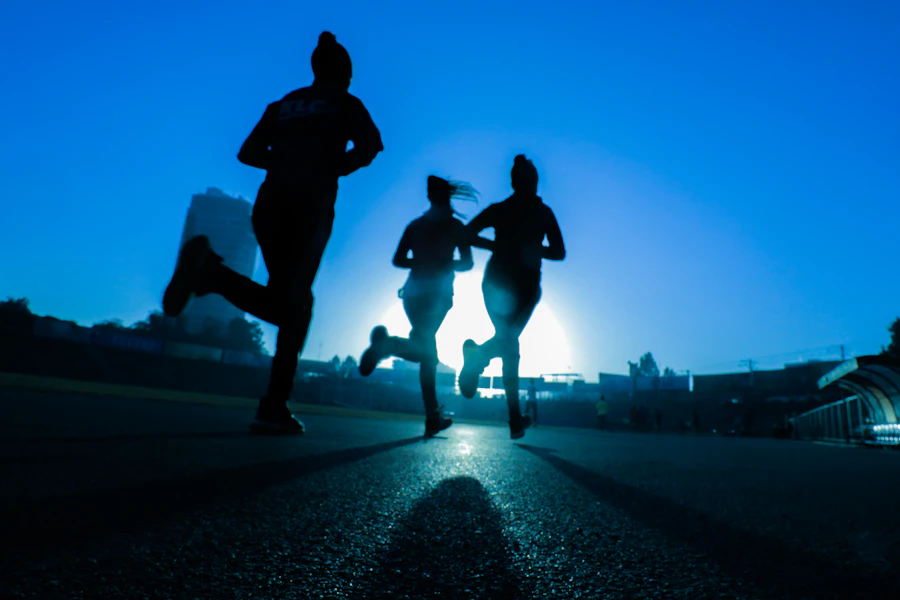
We are running away from our cities. This is not a metaphor; it is a physical, sweat-drenched reality playing out across the rugged mountain ridges of South Africa. In the wake of another gruelling Comrades Marathon, a quieter, far more profound migration is quietly transforming our national running culture. For nearly a century, our athletic pride was forged on the hard, unyielding asphalt of road running, celebrated through iconic road races that drew tens of thousands to our potholed highways. But this year, the energy is shifting. Exhausted by failing municipal infrastructure, the persistent dread of loadshedding, and the constant security anxieties of our suburban streets, we are turning our backs on the road. We are escaping into the wild, fuelling a massive, unprecedented boom in extreme ultra-trail running that has turned our mountains into a global endurance sanctuary.
The transition from the road to the trail is arguably a physical manifestation of a deeper national coping mechanism. Running on our city streets has become an exercise in frustration, requiring us to navigate crumbling pavements, broken streetlights, and the constant threat of crime. In contrast, the mountains offer a space where the state cannot fail us, because the state does not exist there. When we lace up our shoes for a hundred-kilometre traverse across Table Mountain or through the harsh, breathtaking terrain of the Drakensberg, we are entering a domain of absolute, unfiltered self-reliance. This is not just a sport; it is an escapist ritual. It seems that the crushing weight of our daily structural anxieties is being sublimated into the clean, honest pain of climbing steep, rocky peaks.
A quiet flight. A mass migration into the wild.
We run to escape. We run to reclaim our sanity. We run because the streets we built are falling apart. This collective shift has birthed a highly lucrative industry, with extreme events like Ultra-Trail Cape Town drawing elite international runners and generating millions of rands in tourism revenue for the Western Cape and KwaZulu-Natal. Our corporate sponsors have been quick to capitalise on this shift, redirecting their budgets from traditional track-and-field programmes to fund high-tech gear, hydration packs, and extreme mountain races. Yet, as we celebrate South Africa’s rise as a global trail running mecca, we must confront the uncomfortable social divide that defines this movement. Trail running is a sport of privilege. The high-tech shoes, the expensive GPS watches, the specialised nutrition, and the transport required to reach these remote trailheads mean that our flight into nature remains largely restricted to those who can afford to buy their way out of the urban grind.
"Our country’s mountains have become a physical sanctuary for a middle class that feels increasingly claustrophobic in its gated communities and electric-fenced suburbs," remarks a sports sociologist at the University of Cape Town. "On the trail, they find a rare, fleeting sense of absolute freedom, but it is a freedom that requires a substantial financial entry ticket."
Perhaps this is the true tragedy of our modern athletic environment. The historic, democratic spirit of South African road running—where runners from wealthy suburbs and impoverished townships stood side-by-side on the starting line of the Comrades—is slowly being fragmented. As the affluent retreat into the safety of the peaks, the grassroots road running clubs in our townships are left to navigate the literal and figurative decay of our public spaces. We are building two distinct sporting worlds: one that is raw, democratic, and struggling on the broken asphalt below, and another that is exclusive, expensive, and soaring on the pristine trails above. It is a beautiful, deeply inspiring escape, but it remains a luxury of the few.
Are we truly finding a healthier, more resilient connection to our land on these rugged mountain trails, or are we simply running away from the hard, uncomfortable work of fixing the broken streets we left behind?