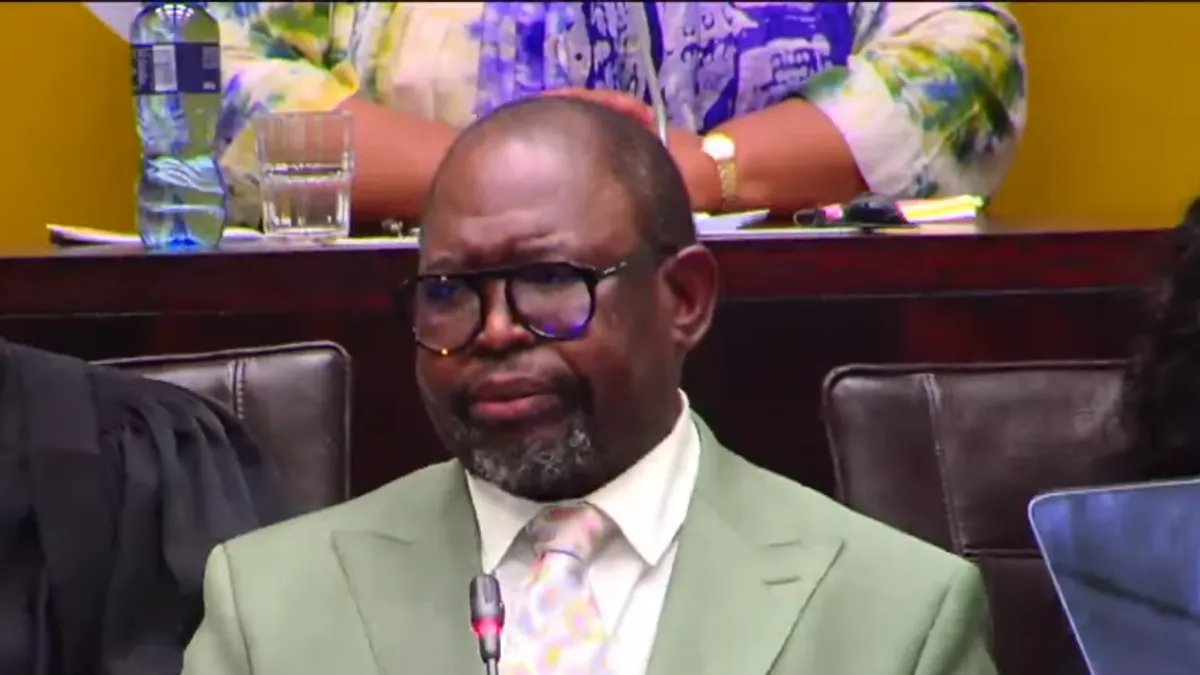
We are turning off the taps to punish the thieves. Today, July 10, 2026, our National Treasury took its most aggressive fiscal stand yet, with Finance Minister Enoch Godongwana announcing that the government is withholding critical "equitable share" budget transfers to sixty-nine failing municipalities. The reason is a familiar, exhausting story: systemic financial mismanagement, unchecked corruption, and a complete breakdown of basic accounting. It looks like a bold exercise in accountability—a long-overdue sign that the state will no longer fund the unchecked plunder of local governments. But as we starve these bankrupt councils of cash, we must confront the brutal, immediate cost of this financial discipline on the ground. We are not just freezing bank accounts; we are guaranteeing that millions of ordinary South Africans will lose access to clean, running water.
The timing of this fiscal crackdown carries a bitter, almost mocking irony. In Durban, public officials are currently gathering to commemorate Africa Public Service Day, delivering rehearsed speeches about modernising public service and upgrading our crumbling water and sanitation networks. But behind the air-conditioned conference halls, the reality in our townships and rural municipalities is one of dry taps and raw sewage running through the streets. Decades of underinvestment, political cadre deployment, and municipal neglect have left our municipal water infrastructure on life support. By withholding the equitable share allocation, Treasury is pulling the plug on the only life support system these bankrupt councils have left.
A cold fiscal freeze. A dry water pipe.
We want accountability. We want the thieves in orange overalls, not sitting in municipal executive suites. We want a clean public service. But withholding municipal funds is a blunt, highly destructive weapon that functions as a form of collective punishment. The corrupt administrators and local politicians who ruined these sixty-nine councils will not go thirsty; they will continue to draw their fat salaries, buy imported bottled water, and hide behind high security gates. The people who will suffer are the residents of places like Giyani, Makhanda, and QwaQwa, who rely on municipal tankers for their daily survival. When a local council has its funds frozen, the first things to stop are the basic maintenance contracts, the chemical treatments for local water works, and the diesel for the water delivery trucks. We are trying to cure the disease of municipal corruption by starving the patient.
"Treasury’s decision to withhold funds is a legal necessity under the Public Finance Management Act, but it is also a quiet admission that our local government system is in a state of terminal collapse," notes a municipal infrastructure analyst based in Johannesburg. "You cannot build a functioning state by turning off the water to the poorest citizens to teach a corrupt mayor a lesson."
Perhaps we have run out of ideas. The national government’s approach to local government failure has devolved into a cycle of intervention, administrator deployment, and fiscal starvation, none of which has stemmed the bleeding. Squeezed between municipal incompetence and national austerity, our local councils have become toxic zones where basic service delivery is a luxury. If we do not fundamentally restructure how municipal services are delivered—perhaps by bypassing corrupt local councils entirely and funding regional water boards directly—we will continue to watch our infrastructure crumble into the dust. Financial discipline is necessary, but it must be matched by a willingness to rebuild. Forcing sixty-nine communities into thirst to prove a point about compliance is not governance; it is a tragedy of our own design.
Are we truly reforming our broken public service, or are we simply using fiscal austerity to wash our hands of the human cost of a failing state?