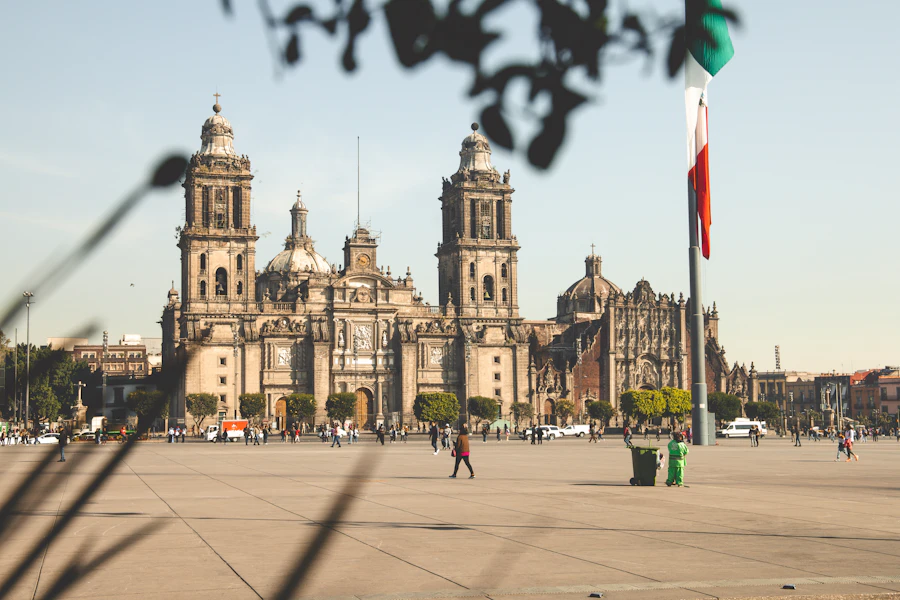
The constitutional reform that created the mechanism for electing Mexico's Supreme Court justices was passed by the Morena-controlled congress in 2024 over the objections of the sitting Supreme Court, which issued an unprecedented statement calling the reform an attack on judicial independence. President Claudia Sheinbaum's government responded that the existing appointment process — in which the president nominates candidates and the Senate approves them — was equally political but less transparent. The elected court, the government argued, would be politically accountable in a way that benefited democracy.
The election took place in June 2025, with all fifteen Supreme Court seats contested simultaneously. Voter turnout was 41 percent — lower than general elections but higher than the 28 percent that pre-election surveys had suggested. The ballot included 64 candidates across the fifteen races; the complexity of the process produced widespread reports of voter confusion, with several exit surveys suggesting that more than a third of voters could not identify any candidate by name and made selections based on party endorsement signals embedded in campaign materials.
Of the fifteen winners, nine had explicit Morena endorsements or career histories directly linked to the ruling coalition. Three were described by their campaigns as independent but had received no significant funding or organisational support from any source other than Morena-aligned entities. Two were genuinely opposition-linked. One was a sitting federal judge with no party affiliation who won the highest vote share of any candidate in the election — her margin attributed by analysts to name recognition from high-profile corruption cases she had adjudicated.
The implications for constitutional review are immediate. Morena's congressional majority had already faced twelve Supreme Court rulings limiting the scope of its legislative programme between 2019 and 2024. With a court that is structurally allied to the governing coalition, that check on legislative power is substantially weakened. The first test case — a challenge to Morena's electoral financing legislation — was scheduled for hearing within sixty days of the court's inauguration.
International legal scholars have begun describing Mexico's experience as a cautionary case study in what they term "democratic autocratisation by procedure" — the use of formally democratic mechanisms to achieve the structural concentration of power that formal authoritarianism achieves by decree.
"They did not abolish the court," said constitutional law professor Francisca Pou Giménez of ITAM. "They kept the court, the building, the robes, the ceremonies. They simply changed who sits inside it. That is more difficult to argue against than abolition. That is the point."