When the African Union announced the Great Green Wall in 2007 — an 8,000-kilometre band of restored land stretching from Senegal to Djibouti — many agronomists called it the most ambitious ecological intervention in human history. Eighteen years on, Kenya's northern counties are providing the project's most compelling proof of concept.
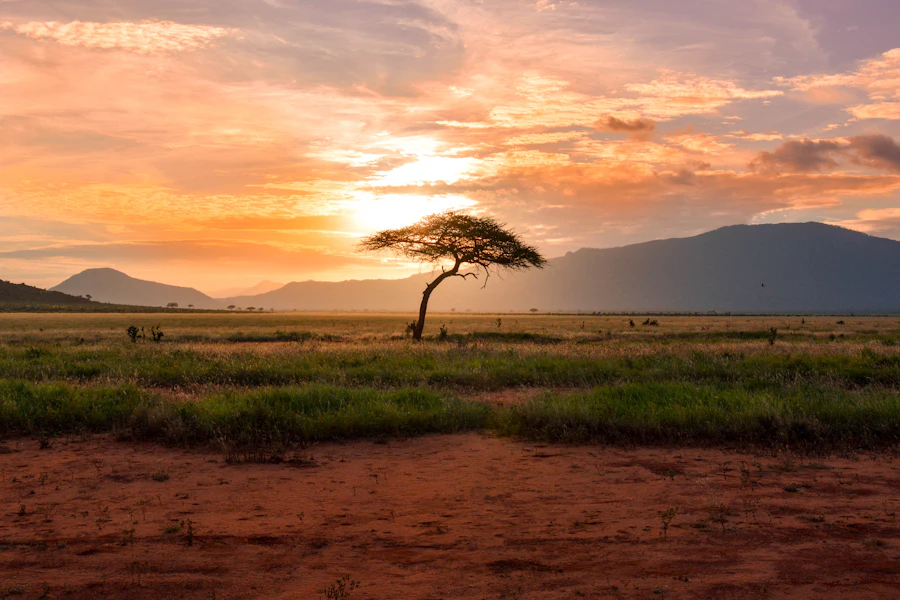
Working through the Kenya Forest Service and a network of 2,300 community groups, the program has established 40 million trees across Marsabit, Turkana, and Mandera counties — among the most arid in the country. The species palette is deliberately utilitarian: acacia tortilis for nitrogen fixation, Commiphora for myrrh and frankincense resins, Moringa oleifera for nutrition, and native grasses seeded between woody plants to anchor topsoil.
Soil carbon measurements conducted by the World Agroforestry Centre show a 34 percent increase in organic matter across replanted zones compared to 2015 baselines. Crucially, groundwater table data from 800 monitoring boreholes indicate a measurable rise in aquifer levels, attributed to improved infiltration as root networks break up compacted laterite soils.
For pastoral communities whose cattle herds were decimated by back-to-back droughts in 2021 and 2022, the returning vegetation has been existential. Livestock mortality rates in restored zones were 60 percent lower than in adjacent unplanted areas during the 2023 dry season.
"The wall is not made of stone," said Wanjiku Kamau, a community forestry coordinator in Marsabit. "It is made of roots, and roots go deeper than stone."