A Fragile Peace Born of Exhaustion
The wreckage of the 2026 West Asia war has left both Washington and Tehran looking for an urgent exit ramp. What began in late February as a high-intensity conflict—triggered by US-Israeli airstrikes that severely damaged Iranian command structures and claimed the life of Supreme Leader Ali Khamenei—rapidly expanded into a regional crisis that choked the Strait of Hormuz and threatened a global economic meltdown. After weeks of Pakistani mediation, the signing of the 14-point Islamabad Memorandum on June 17 represents a dramatic transition from active combat to tense diplomacy. But this is not a final settlement; it is a ticking clock. A temporary pause. Both sides are declaring victory, yet the real battle is just beginning in the negotiating rooms of Doha.
The Four Fault Lines of the Islamabad Accord
As technical delegations convene for indirect talks, overseen by Qatari mediators, the implementation of the agreement is already running into major structural bottlenecks. The durability of the peace depends on resolving several highly volatile issues:
- The 60-Day Nuclear Countdown: Under Paragraph 8 of the MoU, Iran recommits to non-proliferation, but the technical mechanics of down-blending its highly enriched uranium stockpile on-site under IAEA supervision remain deeply contested in ongoing Swiss and Qatari talks.
- The Battle for the Strait of Hormuz: While the deal mandates the lifting of the US naval blockade, Tehran is attempting to enforce a maximalist monopoly over the 24-mile-wide waterway, rejecting joint Omani-IMO proposals for alternative shipping lanes in Omani waters.
- The Post-War Power Vacuum: The swift, devastating airstrikes in late February that claimed the lives of former Supreme Leader Ali Khamenei and key military commanders have triggered a highly unstable domestic transition under Supreme Leader Mojtaba Khamenei.
- The Financial Windfall Dispute: To secure compliance, Washington agreed to release billions in frozen Iranian offshore assets, a massive concession that critics in Congress and Israel warn will rebuild the IRGC's regional proxy networks.
The Chokepoint of Global Commerce
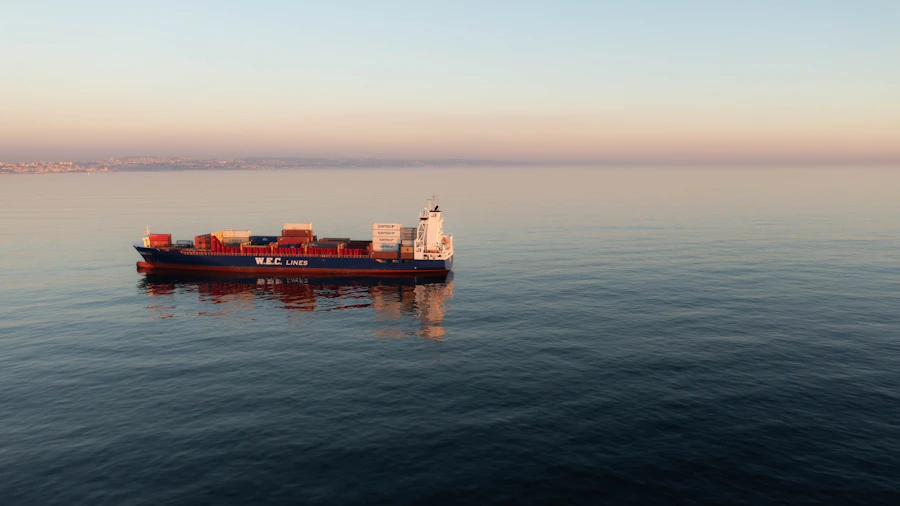
The immediate challenge is restoring normalcy to the Strait of Hormuz, through which twenty percent of the world's petroleum flows. Under the terms of the MoU, substantial sanctions relief is legally tied to the full reopening of the waterway. However, Iran is adopting an aggressive, unilateral interpretation of the text, insisting that it alone has the right to manage and secure the channel. By resisting a proposed southern route through Omani waters—which would be monitored by the US-backed Joint Maritime Information Center—Tehran is trying to turn its geographic position into permanent geopolitical leverage. This stubborn posturing has slowed the return of international shipping, keeping global oil prices highly volatile even during the ceasefire. No more easy navigation. No more Western dictate. No more compromise on maritime sovereignty.
A Lopsided Victory or Diplomatic Realism?
Ultimately, the Islamabad MoU is a high-stakes gamble for the Trump administration. Critics in Washington and Jerusalem argue that by rushing to secure an agreement, the White House has handed Tehran an economic lifeline while leaving its ballistic missile capabilities and regional proxy networks untouched. Conversely, supporters of the deal argue that a prolonged ground war would have been a catastrophic, unwinnable quagmire that would have dragged down the global economy. As the first rounds of technical talks conclude in Doha with reports of 'positive progress,' the strategic environment remains incredibly fragile. Whether this sixty-day pause can be translated into a durable treaty, or if it is simply a breather before the next round of explosive hostilities, is the defining question of the year.