Caught in the Southern Lebanon Crossfire
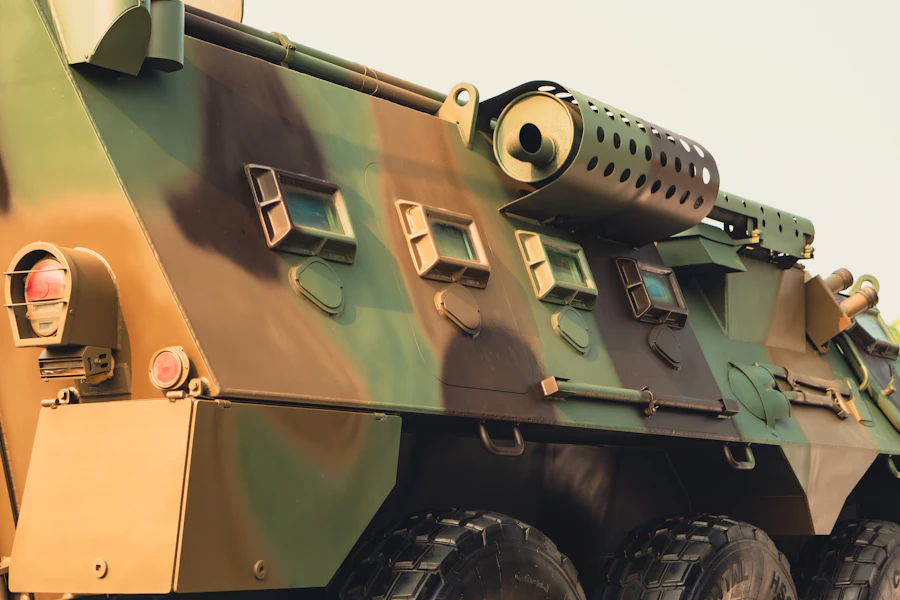
The coffins that arrived at Soekarno-Hatta International Airport in early April 2026 carried a heavy, sobering message for Jakarta. For decades, serving under the blue flag of the United Nations was seen as a prestigious, relatively low-risk tool of defense diplomacy for the Indonesian Military (TNI). But in the spring of 2026, the devastating escalation of hostilities in southern Lebanon shattered that comfort. Four dead peacekeepers. Dozens of shrapnel-scarred vehicles. A highly volatile border zone. As domestic critics demand an early withdrawal to protect Indonesian lives, the government has chosen a far more difficult path, pressing ahead with a scheduled troop rotation to prove that its commitment to global stability is not just a fair-weather policy.
Anatomy of a Peacekeeping Crisis
The current emergency is the result of a rapid, unpredictable deterioration of security along the Blue Line, where Indonesian peacekeepers are stationed. The crisis has unfolded across several critical, highly investigated developments:
- The March Casualties: On March 29 and 30, 2026, separate explosions in Aadshit al-Qusayr and Ett-Taibe killed four Indonesian peacekeepers—including Corporal Rico Pramudia—triggering a high-level United Nations Security Council condemnation.
- The UN Investigation: A UNIFIL forensic probe concluded that the fatal March 29 blast was caused by a 120mm shell fired from an Israeli Merkava tank, placing intense diplomatic strain on Jakarta's relations with Western backers of Israel.
- The Constitutional Mandate: Despite intense domestic criticism from academic and policy circles, the Ministry of Foreign Affairs under Sugiono insisted that early withdrawal was not an option, citing the 1945 Constitution's mandate to actively preserve global peace.
- The Security Risk-Reward Ratio: With over 1,200 peacekeepers deployed under UNIFIL, Indonesia remains the largest contributor to the mission, utilizing this substantial presence as a key tool for Global South leadership and defense diplomacy.
The Battle for Strategic Autonomy
The decision to deploy 744 fresh troops on May 22, 2026, was a calculated demonstration of strategic autonomy. In the halls of the United Nations, a joint statement signed by dozens of troop-contributing nations on April 9 reemphasized that the safety of blue helmets is non-negotiable and that attacks on them may constitute war crimes. By refusing to pull back its forces, Jakarta is positioning itself as a resilient, indispensable actor in global security architecture. No more relying on Western forces to keep the peace. No more retreating when the geopolitical terrain becomes dangerous. No more treating international mandates as optional. This unyielding stance has elevated Indonesia's diplomatic profile among developing nations, proving that the archipelago is willing to pay the ultimate price to defend international law.
The Looming Hazard of Escalation
Ultimately, Prabowo's high-stakes defense gamble will depend on the effectiveness of UNIFIL’s updated risk mitigation measures. Security analysts from Budi Luhur University have rightly questioned whether under-equipped peacekeeping units can survive in a theater increasingly dominated by drone warfare and heavy artillery. If another fatal strike occurs, the domestic political pressure on the government to initiate a hasty, disorganized evacuation will become overwhelming. For now, the fresh rotation of TNI troops has taken up their positions along the tense Lebanese border. They are standing guard in a conflict they did not start, acting as a human shield for international law, and reminding the world that some constitutional promises are written in blood.