The Art of Independent Survival
The geopolitical tightrope of the Global South has never been thinner or more dangerous. For over seventy years, Indonesia’s foreign policy identity has rested on the sacred doctrine of bebas dan aktif—independent and active. It is a philosophy born of anti-colonial struggle, famously described by founding father Mohammad Hatta as 'rowing between two reefs.' In 2026, as the geopolitical rivalry between the United States and China threatens to split the globe into new, rigid alliances, President Prabowo Subianto is refusing to let his nation be cast as a passive spectator. Jakarta is playing a high-stakes, highly active game of diplomatic defense. No side-picking. We will not be bought. A bold, hazardous bet.
The Four Pillars of the 2026 Diplomatic Offensive
Indonesia's foreign policy is no longer confined to safe, rhetorical multilateralism. Instead, the administration under Foreign Minister Sugiono is pursuing a realist strategy that combines concrete security commitments with strategic defiance of Western pressure. This active posture is built on four central moves:
- Suspending the Board of Peace: In March 2026, Prabowo officially paused Indonesia's participation in the US-backed peace initiative, signaling to Washington that Jakarta will not serve as a rubber stamp for Western-designed Middle East blueprints.
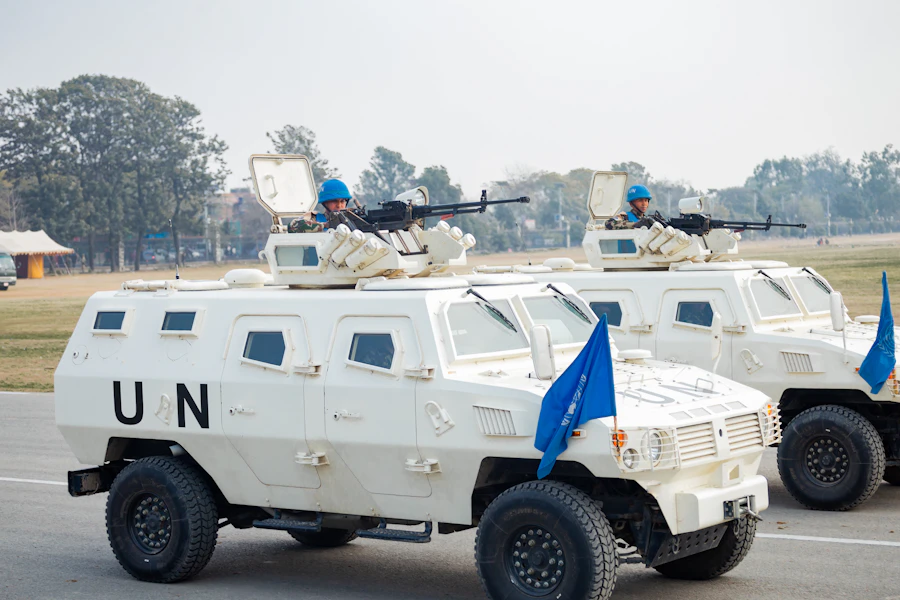
- The Rafah Stabilization Pledge: While Western powers hesitated to deploy boots on the ground, Indonesia committed 8,000 personnel for non-combat stabilization in Gaza, making it the largest single national military commitment to the proposed force.
- The ICJ Intervention: Bolstering its legal offensive, Indonesia formally filed its intervention in the South Africa v. Israel case in Geneva, using international judicial forums to enforce its anti-colonial foreign policy doctrine.
- Triangular Hedging in the Indo-Pacific: Despite intense maritime pressure from Chinese vessels near the Natuna Islands, Jakarta continues to balance deep economic ties with Beijing while simultaneously upgrading military exercises with the United States.
The Cost of True Autonomy
Predictably, this fiercely independent path has drawn sharp criticism from all directions. Domestic audiences accuse the president of dancing too close to Washington's security orbit, while Western partners view Jakarta's sudden suspension of peace-board involvement as a betrayal of its democratic alliances. Eight thousand kilometers. One international court. A masterclass in pragmatic neutrality. For a country of more than 242 million Muslims, finding a comfortable position in the superpower crossfire was never going to be easy. Yet, by committing actual troops to a volatile zone while refusing to bow to Western diplomatic demands, Indonesia is earning genuine leverage on the world stage.
A Middle-Power Status Wager
Ultimately, Indonesia’s diplomatic strategy is a status wager. The country’s election to the presidency of the United Nations Human Rights Council for 2026 provides a high-profile procedural platform to amplify these independent principles. No more quiet acquiescence to Western demands. No more ignoring the cries of the Global South. No more acting as a passive observer in global conflicts. The road ahead is incredibly steep, and the economic fallout of domestic currency volatility places a tight financial limit on international adventures. But in a fragmented, transaction-driven world, Prabowo’s independent stance is proving that middle powers do not have to accept strategic risks passively—they can actively shape their own destinies.