The Ahmedabad Demolition
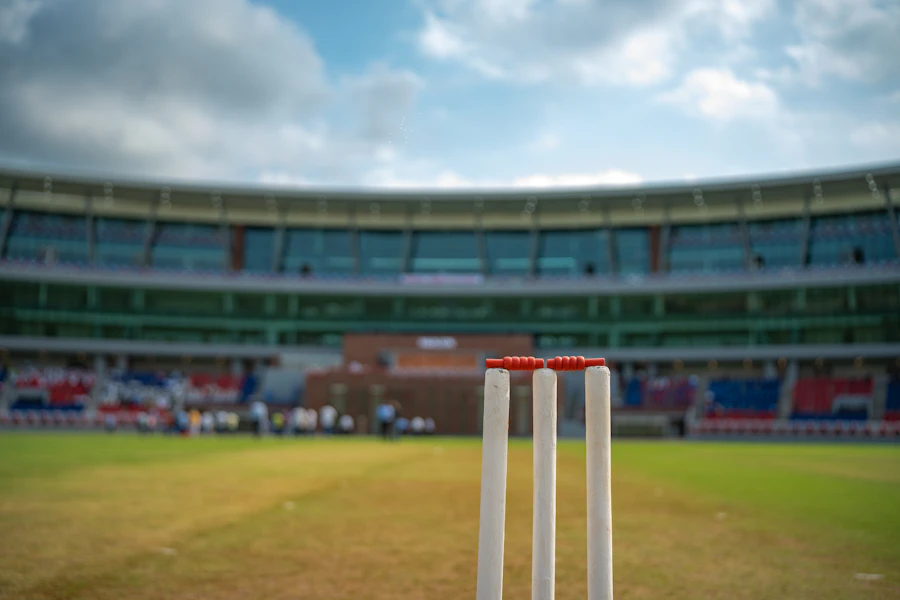
The roar of over 130,000 fans in Ahmedabad still echoes across the subcontinent. On March 8, 2026, the Indian men's cricket team achieved what no other nation had ever accomplished in the shortest format of the game: defending their global crown on home soil. Under the captaincy of Suryakumar Yadav, the Men in Blue entered the final as heavy favorites and absolutely demolished the visiting New Zealand side. A historic defense. The Kiwis were crushed. Three titles overall. No more worrying about the pressure of hosting. No more doubting our middle-order depth. No more questioning our spin tactics. This victory is living proof of a team that has completely mastered the high-pressure environment of knockout cricket.
A Tournament of Shattered Records
India’s path to the championship trophy was paved with record-breaking individual and team performances that completely rewrote the T20 history books. The campaign's success was defined by several extraordinary achievements on the field:
- The 255-Run Final Fireworks: India's staggering first-innings score of 255/5 in the final set a new world record for the highest team total in any T20 World Cup knockout match, completely deflating the Black Caps' defense.
- Bumrah's Ahmedabad Masterclass: Fast bowler Jasprit Bumrah earned the Player of the Match in the final with a devastating spell of 4/15, dismantling New Zealand's top-order and ending the chase before it could even begin.
- Samson's Redemption Run: Awarded Player of the Tournament, Sanju Samson played a central role with the bat throughout the event, scoring 321 runs including a match-winning 97 in the Super Eight stage to keep the campaign alive.
- The Home Ground Curse Broken: Historically, hosting a Men's T20 World Cup had been a statistical trap, with no host country ever winning the title at home until India broke the pattern in front of their roaring home crowd.
The New Power Hierarchy in World Cricket
The strategic blueprint behind this world title is a reflection of India’s aggressive, post-fear tactical framework. While previous generations of Indian teams often batted conservatively during the early overs of a match, Yadav's squad embraced a high-risk, high-reward offensive from the very first ball. Even when early wickets fell, the batsmen kept swinging, pushing the scoring rate past ten runs per over. This relentless pressure systematically broke the tactical plans of opposing captains, including New Zealand's veteran leader Mitchell Santner. By combining this fearless batting philosophy with the disciplined, variation-heavy bowling of Varun Chakravarthy, India has created a balanced, incredibly resilient unit that simply refuses to panic under pressure.
A Final Farewell and a Bright Horizon
While the country celebrates this historic third crown, the victory also marks a major transition for Indian cricket. With several veteran players expected to step away from the shortest format to focus on the upcoming 2027 ODI World Cup in Africa, a younger generation of explosive athletes is already waiting in the wings to claim their spots. Players like Abhishek Sharma have shown during the group stages that they possess the raw power and tactical maturity to carry the legacy forward. For now, the trophy remains in New Delhi. Seemingly, as long as India can continue to produce world-class bowlers like Bumrah and retain their fearless batting mindset, their dominance over the global T20 arena will remain undisputed for years to come.