Once again, we are hiding behind carbon arithmetic. The Union Cabinet's approval of our updated climate targets ahead of the UNFCCC deadline was met with the usual round of state-orchestrated applause. On the surface, the numbers look bold. We commit to slashing the emissions intensity of our GDP by 47 percent by 2035 compared to 2005 levels. We pledge to push our clean energy share in installed capacity to 60 percent. But the atmosphere does not care about intensity or percentages. The atmosphere only cares about absolute tons of carbon. Under this framework, our absolute emissions will continue their upward trajectory, cloaked in clever bureaucratic camouflage.
Let us look at the raw data our planners chose to gloss over. Independent analysts have pointed out that we had already achieved a 38 percent reduction in emissions intensity by 2020. Trajectory models suggest we likely bypassed the 47 percent threshold back in 2024, long before this new target period even begins. To set a 2035 goal that we have already met is not ambition; it is a defensive hedge. It is a clever evasion designed to buy our industrial sector another decade of unchecked expansion. Two targets. Ten years. Zero real-world emission cuts. No absolute caps. No immediate coal phase-out. No sacrifice of industrial growth.
This cautious approach is perhaps understandable given our developmental priorities. Our per capita emissions remain a fraction of the West’s, and our primary duty is to pull millions of our citizens out of energy poverty. But by setting targets that require no additional effort, we are missing a historic opportunity. Analysts from the Climate Action Tracker have rightly labeled our commitments 'highly insufficient.' They argue that we are severely underestimating our own potential for clean growth, especially when our domestic solar and wind sectors are already on track to exceed the 60 percent non-fossil capacity goal before 2030. We are holding ourselves back to preserve a fossil fuel safety-valve.
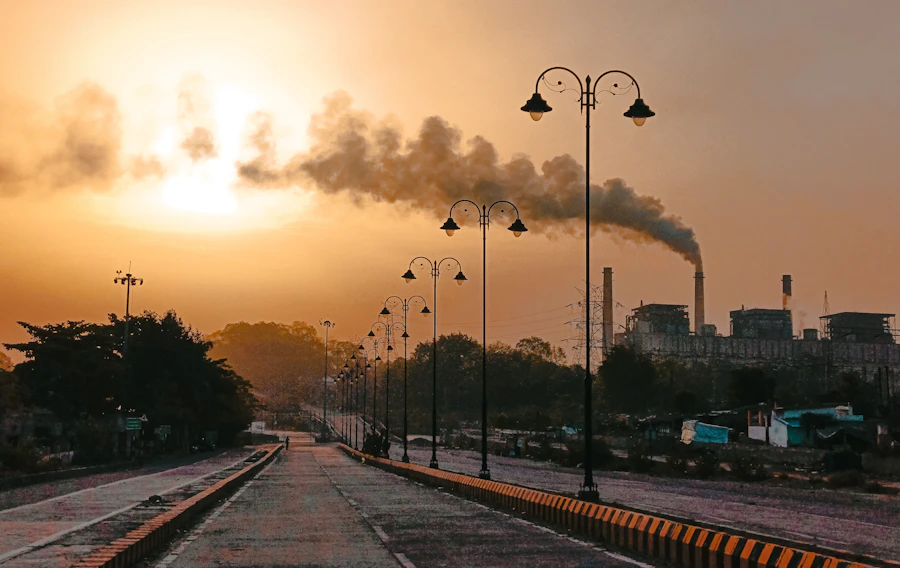
The hard truth is that our coal dependency is still the anchor dragging down our climate credibility. Even as we commission massive desert solar parks, we continue to build out new thermal power stations and push for increased domestic coal extraction. We are trying to run a dual-track system: a clean energy showcase for global conferences, and a dirty coal baseline to power our fast-growing economy. This balancing act cannot hold forever. Until we move away from relative intensity metrics and commit to an absolute peak in our greenhouse gas emissions, our climate policies will remain an exercise in strategic delay. We have the economic momentum and the technological capability to lead the Global South. It is time to stop playing with percentages and start cutting the carbon.