The Salt-Crusted Empire of Khavda
In the barren, salt-crusted expanse of the Rann of Kutch in Gujarat, a colossal green machine is rapidly taking shape. Five times the size of Paris. 19,985 megawatts of raw capacity. One hyper-focused conglomerate. On June 28, 2026, Adani Green Energy Limited (AGEL) officially turned the switch on its newest 150 megawatt solar project in Khavda, pushing its operational portfolio to the absolute edge of the 20 gigawatt mark. This is not just a commercial triumph; it is a geopolitical statement. India’s corporate sector is pouring billions into the desert floor, proving that the country’s transition toward clean energy is no longer a distant projection, but an unstoppable reality on the ground.
The Engineering Behind the Mirage
Developing the world's largest renewable energy zone requires far more than simply laying down imported silicon panels. The Khavda park is a logistical nightmare, located in a hostile border region with zero existing infrastructure. To transform this desolate salt flat into a functional power plant, engineers had to overcome several complex, systemic hurdles:
- Unforgiving Environmental Terrain: High wind speeds, hyper-saline dust, and summer temperatures regularly passing 48 degrees Celsius degrade standard equipment, requiring custom-engineered, anti-corrosive tracker systems.
- Micro-Grid Alignment: To manage the unpredictable peaks of desert wind and solar generation, AGEL scaled up its localized Battery Energy Storage System (BESS) capacity at Khavda to 3,366 MWh, creating a critical buffer against sudden grid drops.
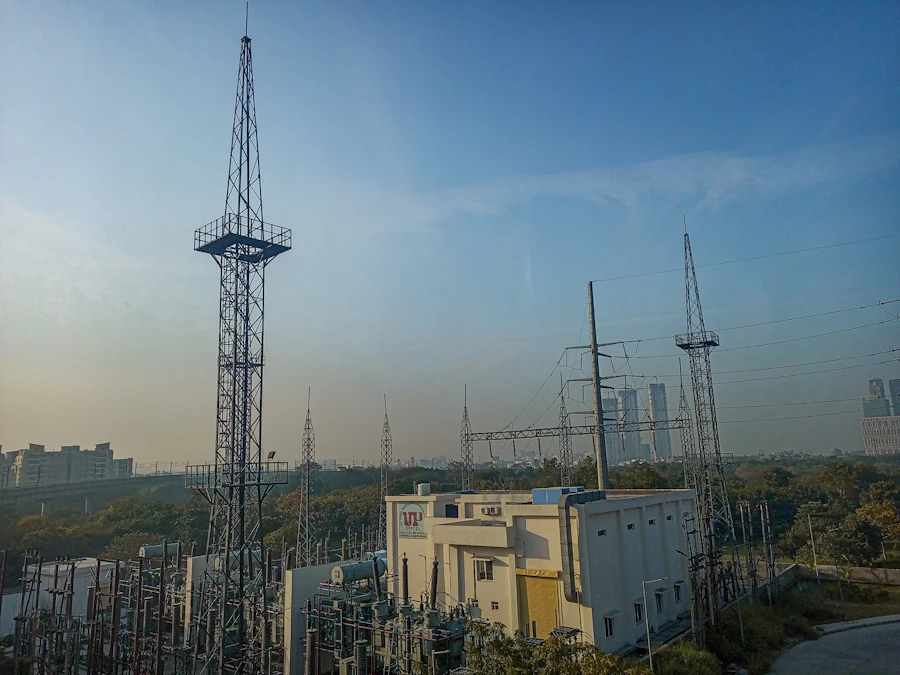
- Transmission Chokeholds: Generating massive amounts of power in a remote corner of Gujarat is useless without the high-voltage lines needed to transport it to distant industrial zones like Mumbai or Delhi.
- Supply Chain Sovereignty: Sourcing millions of bifacial modules and massive wind turbines without relying heavily on Chinese imports has forced Adani to build massive manufacturing ecosystems within India.
Dethroning Coal from the National Grid
The acceleration of the Khavda project comes as India grapples with record-breaking peak electricity demands, which are expected to touch 270 gigawatts later this year. For decades, the national grid relied on aging, coal-fired baseload plants to prevent rolling blackouts. By deploying gargantuan solar-wind hybrid parks, India is attempting to shift the heavy lifting of daytime power generation to the desert. The goal is to reach 30 gigawatts of capacity at the Khavda site alone by 2029. No more burning coal. No more waiting for global supply lines. No more relying on erratic seasonal grids. The progress in Gujarat is arguably the most decisive step toward achieving India's updated NDC 3.0 climate targets.
The Long-Term Corporate Race
Ultimately, the rapid rise of Khavda is a demonstration of pure corporate muscle. While state-owned utilities struggle with debt and sluggish bureaucracy, private entities like AGEL are moving at a breathtaking pace to capture the green market. The 20-gigawatt milestone is just the beginning of a broader, high-stakes race. However, as the generation capacity climbs, the pressure on India’s national transmission infrastructure will only intensify. If the central government cannot build out the high-voltage grid fast enough to keep up with Adani's desert juggernaut, these massive clean megawatts risk being bottled up in the salt flats, far from the homes and factories that desperately need them.