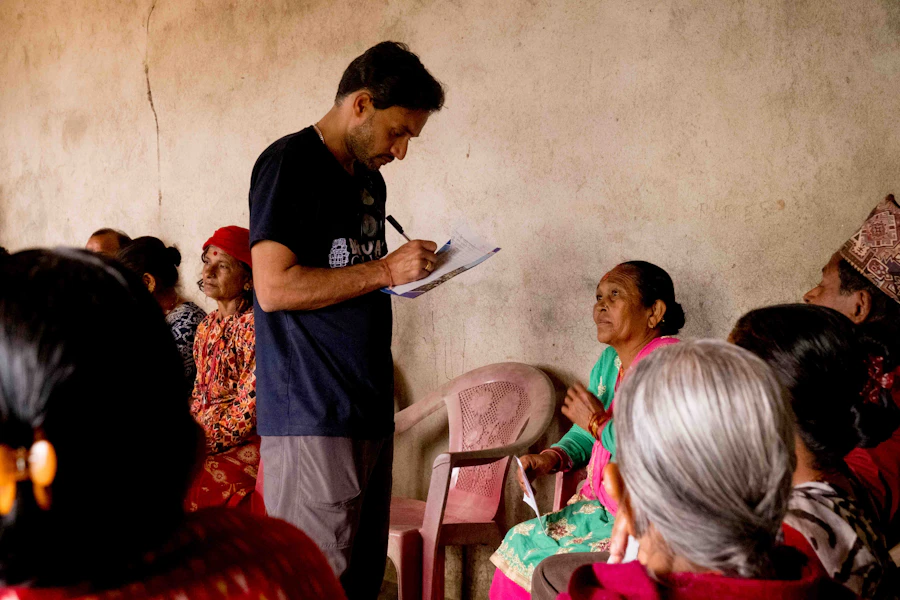
Why is India conducting its first census in fifteen years?
India is currently operating on demographic blindspots. By law, the country is supposed to conduct a comprehensive population count every ten years, but the 2021 exercise was postponed due to the global pandemic. This delay created the longest census gap since India’s independence, leaving planners to distribute food, healthcare, and education subsidies based on obsolete 2011 data. With the population now estimated at over 1.42 billion, the government desperately needs a fresh, accurate demographic snapshot to manage its rapidly growing cities and rural welfare programs. One point four billion people. Three hundred thousand smartphones. One massive, deeply sensitive demographic overhaul. A clean, empirical reset was overdue.
How is this census being carried out digitally?
The days of enumerators lugging massive paper binders through remote villages are officially over. The 2026-2027 census is India's first-ever fully digital count. Instead of physical files, more than 300,000 enumerators are using a secure, custom-built mobile app on their smartphones to record household details directly into the central cloud. No more physical paperwork. No more lost data files. No more ignoring the complex reality of local dialects. For citizens living in high-speed urban areas, the government has introduced a 15-day online self-enumeration portal, allowing middle-class households to fill out their details securely from home, reducing the physical burden on government workers.
What is the breakdown of this massive operation?
Because counting over a billion people is logistically impossible in a single sweep, the Registrar General of India has divided the gigantic administrative exercise into three distinct, highly coordinated phases:
- Phase One (April 1 – September 30, 2026): Enumerators are currently visiting every structure in the country to conduct the Houselisting and Housing Census, mapping out living conditions, electricity access, and sanitation facilities.
- Phase Two (February 2027): The actual Population Enumeration will take place, where every individual's demographic, linguistic, religious, and socio-economic data will be recorded in real-time.
- Phase Three (Late 2027): The final data aggregation and publication, which will serve as the official scientific blueprint for India's administrative boundaries and welfare budgets until 2031.
Why is the inclusion of caste data an electoral minefield?
While the transition to mobile apps is a major technological victory, the true storm surrounding this census is sociological. Following intense pressure from regional parties and backward-class advocacy groups, the Home Ministry agreed to include a comprehensive count of specific *jatis* and sub-castes. This is a massive departure from traditional policy, which previously only recorded Scheduled Castes (SC) and Scheduled Tribes (ST). The data gathered during the 2026-2027 cycle will show exactly which communities have missed out on India's economic boom, potentially triggering massive demands to expand the country's highly competitive education and public-sector employment quotas. For political strategists, these numbers are an electoral minefield that could completely fracture existing voter coalitions ahead of the 2029 national elections. It is arguably the most decisive, high-stakes sociological experiment modern India has ever attempted.