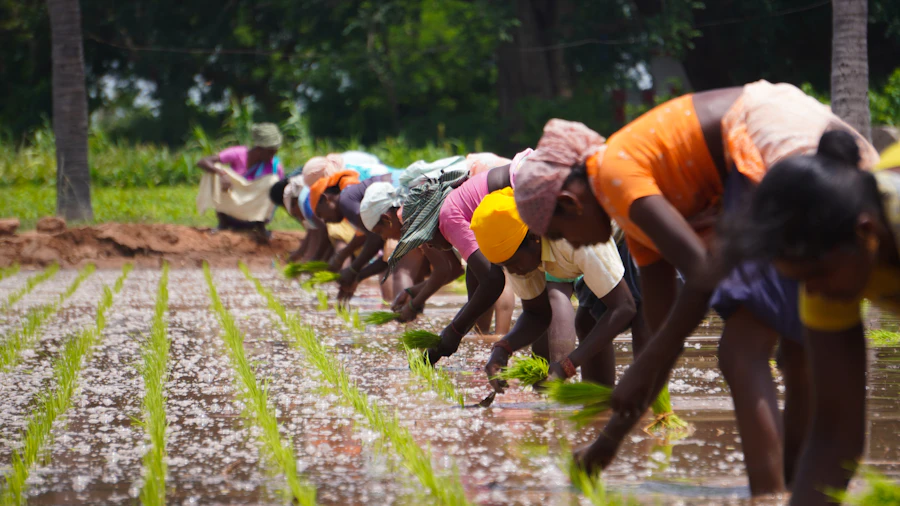
What is the Bonn Challenge and India’s record-breaking pledge?
Launched in 2011 by Germany and the International Union for Conservation of Nature (IUCN), the Bonn Challenge is a global effort to bring 350 million hectares of degraded and deforested ecosystems into restoration by 2030. At its core, the initiative seeks to combat the land degradation that currently impacts over three billion people worldwide. India initially joined the movement in 2015 with an ambitious pledge to restore 21 million hectares. However, during the UNCCD COP14 summit in New Delhi in 2019, the government raised the stakes, committing to a record-breaking 26 million hectares. It remains the largest single pledge made by any country under the global framework.
How has India restored 21.76 million hectares of degraded land?
According to the official progress report released by Union Minister Bhupender Yadav in late June 2026, India is well ahead of its interim targets. This is not just a triumph of planting saplings; it is a calculated, multi-decade struggle against soil erosion, drought, and agricultural exhaustion. Twenty-one million hectares. Millions of new trees. Ten years of grinding field labor. No more unchecked soil erosion. No more losing arable land to dust. No more ignoring degraded forests. By coordinating local communities with federal forestry agencies, the country has successfully revived entire watersheds, turning barren salt flats and dry scrublands into productive, carbon-absorbing forest systems.
What are the key pillars of this massive restoration effort?
The success of India’s restoration strategy relies on a decentralized, community-first framework. Rather than deploying top-down corporate afforestation programs, the Ministry of Environment has structured its progress around three distinct, regional pillars:
- The Green India Mission (GIM): Supported by over 1,019 crore Rupees in federal funding released as of early 2026, this flagship initiative focuses on improving forest quality and enhancing carbon sequestration in heavily degraded native woodlands.
- Joint Forest Management Committees (JFMCs): By giving tribal and rural communities direct ownership and protection rights over local forest resources, the state has ensured that newly planted trees are protected from illegal logging and livestock grazing.
- Decentralized Water Harvesting: In arid states like Rajasthan and Madhya Pradesh, massive check-dam networks and traditional rainwater harvesting ponds have been rebuilt to raise the local water table, allowing degraded soil to naturally regenerate its plant cover.
Why is the road to 2030 still incredibly steep?
While the 21.76 million hectare milestone is a major administrative achievement, environmental scientists warn that the hardest battles lie ahead. Planting a forest is relatively easy; keeping it alive during an era of unprecedented climate volatility is another matter entirely. The devastating heatwaves of May 2026, which saw temperatures in northern India routinely cross 45 degrees Celsius, placed extreme water stress on young saplings, threatening to reverse local gains. Furthermore, the rapid expansion of infrastructure, highway networks, and mining leases continues to fragment existing forest reserves. If the government continues to approve corporate land-clearing projects on one hand while trying to restore degraded soil on the other, the Bonn Challenge target will remain a circular, expensive treadmill.