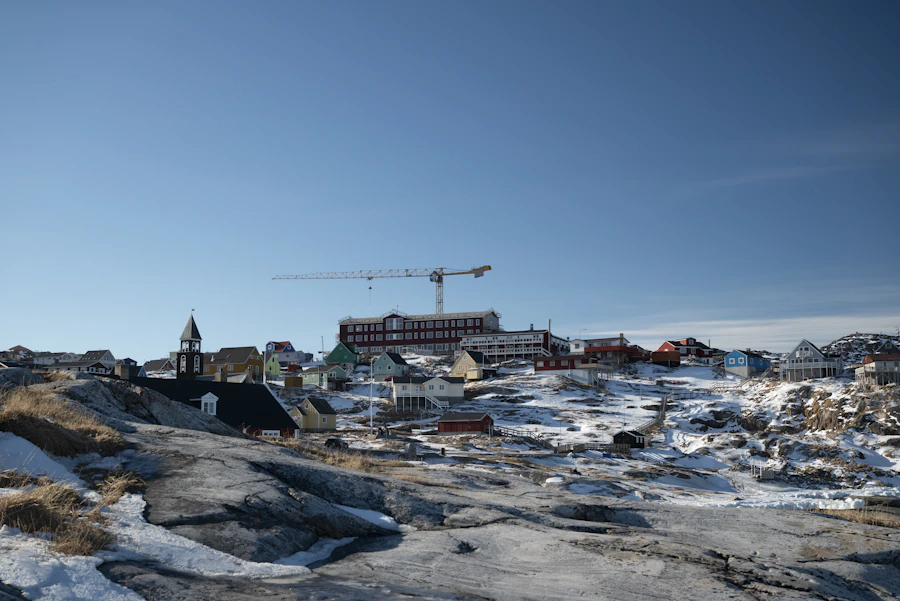
Nuuk's Strategic Shield
A new Arctic chess game has begun. As the global scramble for green-transition metals intensifies, Greenland has found itself directly in the crosshairs of Washington, Brussels, and Beijing. For centuries, the island relied on Copenhagen for half of its budget through the annual block grant. But Premier Múte B. Egede is determined to change that dependency. No longer just a colony. No longer just a buffer zone. No longer just a frozen outpost. Nuuk is using its untapped geological wealth as a diplomatic shield, inviting competing global powers to invest in its mines to build a sovereign economy. It is a high-stakes tightrope walk. One island. Three superpowers. A high-stakes race for raw materials.
The Mechanics of Multi-Alignment
The logic behind Nuuk's mineral strategy is simple yet highly sophisticated. To avoid being swallowed by any single global hegemon, the government under Mineral Resources Minister Naaja H. Nathanielsen is systematically diversifying its foreign partnerships. This delicate balancing act rests on several key pillars:
- Sovereignty Funding: Securing massive, direct mineral revenues is the only realistic way for Greenland to replace the DKK 3.9 billion annual Danish subsidy, which is the final barrier to full independence.
- Superpower Balancing: By approving Western mining projects, Nuuk keeps both the US and Europe happy, while quietly restricting Chinese state-owned enterprises from acquiring direct ownership of critical infrastructure.
- Strict Local Control: The government has outlawed uranium mining and enforced tight environmental regulations, ensuring that foreign mining giants cannot treat the island as a wild-west extraction zone.
- European Hedging: While US capital is welcomed, Nuuk actively seeks European counterweights to prevent total American economic dominance over the island's northern terrain.
The Tanbreez Deal and the French Pivot
This strategy was put into action in May 2026, when Greenland approved a deal allowing the US-backed Critical Metals Corp. to acquire a 70% stake in the Tanbreez project. Located in the south, Tanbreez is arguably one of the largest rare earth deposits on earth, boasting massive reserves of heavy rare earths like dysprosium and terbium. The deal was a major victory for Washington, which has been searching for alternative supply chains to break China’s monopoly. But Nuuk did not stop there. Fearing that they were leaning too close to the US orbit, Egede’s administration signed a strategic bilateral partnership with France in June 2026, focusing on critical raw materials and scientific cooperation. It was a classic defensive hedge. By bringing Paris into the game, Nuuk successfully diluted American influence.
The Long-Term Gamble for Autonomy
The success of this minerals diplomacy will ultimately depend on whether Greenland can convert these multi-million dollar mining investments into tangible, long-term local benefits. Mining projects in the Arctic are notoriously difficult, plagued by extreme weather, a lack of deep-water ports, and a severe shortage of local labor. If the mines are staffed by imported workers and the profits are funneled entirely to foreign shareholders, Greenland will have traded Danish oversight for corporate colonialism. Nuuk’s leaders must ensure local training programs and revenue-sharing agreements turn this foreign capital into lasting, homegrown prosperity.