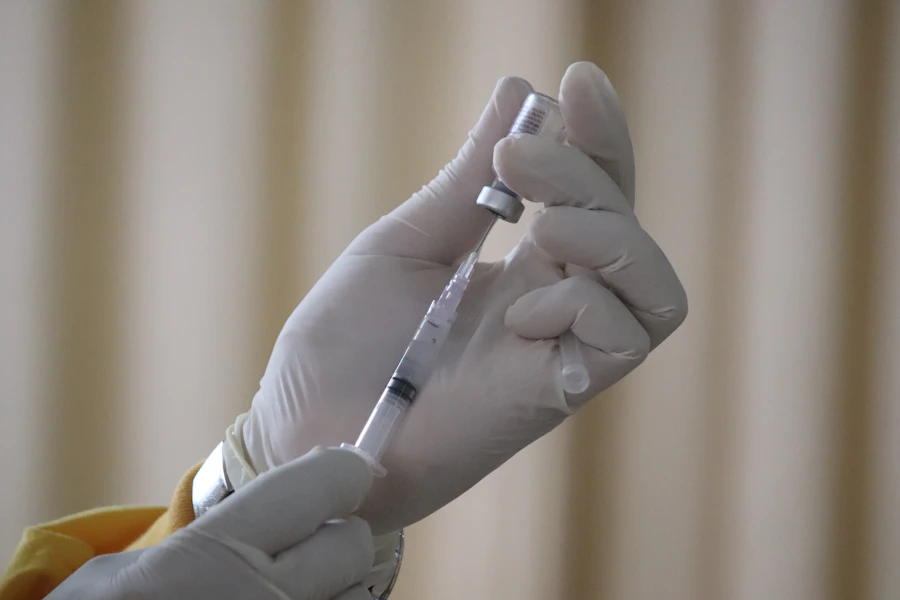
Dengue has shaped Brazilian public health for a generation. Over the past 25 years, more than 20 million people in the country have contracted the virus, and 2024 brought the worst epidemic on record: roughly 6.4 million cases and nearly 6,000 deaths in a single year. In 2026, Brazil began rolling out something no country has had before — a single-dose vaccine effective against all four dengue serotypes, developed almost entirely by a Brazilian public research institute.
Sixteen years from lab to syringe
The vaccine, Butantan-DV, traces back to 2010, when São Paulo's Instituto Butantan began development with funding from FAPESP and a formulation originally developed by researchers affiliated with the U.S. National Institutes of Health. Human trials started in 2013. The pivotal late-stage trial that would ultimately support approval ran from 2016 to 2024, enrolling more than 16,000 volunteers across 14 Brazilian states — one of the largest dengue vaccine trials ever conducted anywhere. Results, published progressively in The New England Journal of Medicine and The Lancet Infectious Diseases as follow-up data matured, showed overall efficacy around 65-75% and roughly 80-92% efficacy against the most severe forms of the disease, depending on the follow-up window measured.
Brazil's drug regulator, Anvisa, approved the vaccine on November 26, 2025 for people aged 12 to 59 — the world's first authorization of a single-dose, tetravalent dengue vaccine. Unlike two other chimeric dengue vaccines on the global market, Butantan-DV retains more of each serotype's own structural and non-structural proteins rather than building all four strains onto a single shared genetic backbone, a design difference researchers say may contribute to its broader immune response.
How the rollout is actually happening
Brazil's Ministry of Health structured the campaign in phases rather than attempting a single nationwide launch. It began on February 9, 2026, targeting roughly 1.1-1.2 million primary health care workers first — the rationale being that these workers staff the clinics where dengue patients first show up and conduct home visits in affected neighborhoods, putting them at elevated occupational exposure. The government secured an initial 3.9 million doses for R$368 million (about $70.5 million), and Butantan partnered with the Chinese manufacturer WuXi to scale production toward a target of roughly 30 million doses by the second half of 2026, when vaccination is expected to expand to the general population.
The early epidemiological signal is dramatic: Brazil's Ministry of Health reported a 94% reduction in dengue cases and a 97% drop in deaths in the first five months of 2026 compared to the same period in 2024. Researchers caution against attributing that swing entirely to the vaccine — natural year-to-year variation in dengue transmission is large, and 2026's vaccination coverage so far is still limited to health workers — but it sets an unusually favorable backdrop for the wider rollout to come.
What a decade of trials couldn't show
Approval is not the end of the scientific story. Between January and May 30, 2026, Brazil's pharmacovigilance system — the post-market monitoring network that tracks vaccines and medications once they're in general use — recorded 42 adverse reactions that hadn't been flagged in the trials supporting approval, including intense abdominal pain, persistent vomiting, and bleeding episodes. Clinical researcher Karla Espírito Santo of Hospital Israelita Albert Einstein has described this not as a failure of the trial process but as an inherent limitation of it: even a trial enrolling 16,000 people can only detect side effects common enough to show up in that sample size. Genuinely rare reactions, by definition, often only become visible once a vaccine reaches millions of people — which is precisely the phase Brazil is now entering.
That distinction matters for how the signal should be read. A handful of newly observed reactions in a campaign that has already reached over a million people is a sign that pharmacovigilance is working as designed, not necessarily evidence of a safety problem requiring the rollout to pause. Brazil has its own cautionary history here, cited by researchers as a contrast: unproven treatments like synthetic phosphoethanolamine and polylaminin reached patients in the country before completing the rigorous, staged testing that Butantan-DV underwent for over a decade — and both became subjects of legal disputes over their actual safety and efficacy.
What happens through the rest of 2026
The real test of Butantan-DV's impact will come once vaccination expands beyond health workers to the broader population later this year, layered onto Brazil's natural seasonal dengue cycles and whatever the next epidemic wave looks like. Butantan's director, Esper Kallás, has called the vaccine "a historic achievement for science and health in Brazil" — a description that will be measured less by the headline efficacy numbers from clinical trials and more by what the pharmacovigilance system keeps finding as millions more Brazilians receive their single dose.