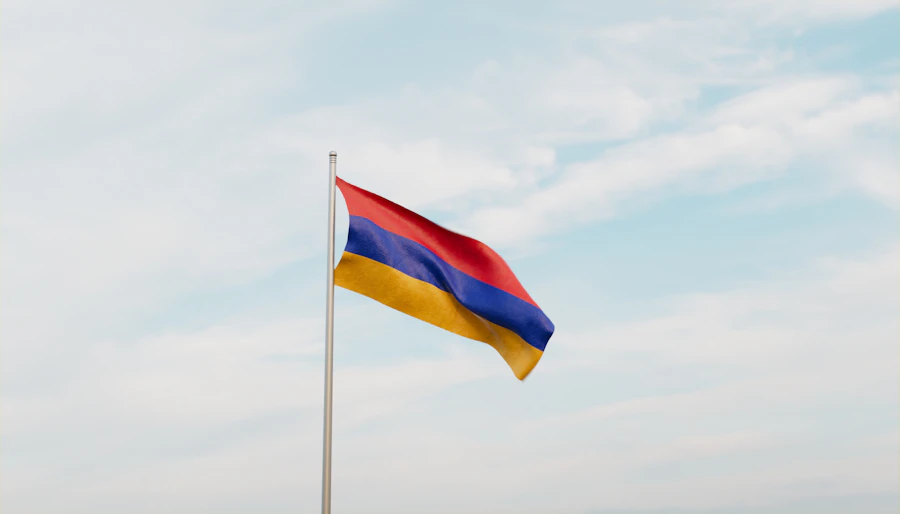
Armenians went to the polls on June 7, 2026, in a parliamentary election that was as much a referendum on geopolitics as on domestic policy. According to Armenia's Central Election Commission, Prime Minister Nikol Pashinyan's ruling Civil Contract party won 49.81 percent of the vote, far ahead of the second-placed Strong Armenia bloc on 23.29 percent. Robert Kocharyan's Armenia Alliance and Gagik Tsarukyan's Prosperous Armenia party also cleared the threshold to enter parliament, with 9.9 percent and 4 percent respectively. Turnout was just over 58 percent.
Pashinyan called the result a "historic victory that will ensure Armenia's eternity and development," pledging to "continue the course of rapprochement with the West" while still maintaining relations with Russia. Casting his ballot earlier that day, he said the European Union was Armenia's "main partner in democratic reform implementation."
The vote took place against a backdrop of direct pressure from Moscow. Reuters reported, citing Western intelligence officials and documents, that Russia ran a covert effort to undermine Pashinyan and support pro-Russian candidates, including disinformation campaigns. In the run-up to the election, Russia's food safety regulator banned imports of a range of Armenian goods, including flowers, certain cognacs and wines, eggplant, potatoes, dried fruit and fish, citing import rule violations. The European Commission called the move "economic coercion," saying Moscow was "weaponizing economic relations for political pressure."
Armenia's opposition is split largely along the same geopolitical line. Strong Armenia, led by Russian-Armenian businessman Samvel Karapetyan, favours closer business ties with Moscow and has accused Pashinyan of risking war with Russia. Karapetyan, who renounced his Cypriot and Russian citizenship to run, was placed under house arrest in 2025 on charges he has called politically motivated; the restriction was extended through the election period. Former president Robert Kocharyan's Armenia Alliance has likewise criticised Pashinyan's outreach to both the West and Azerbaijan.
The election followed years of upheaval for Armenia, including the 2020 war with Azerbaijan and the displacement of the ethnic Armenian population of Nagorno-Karabakh in 2023. Pashinyan and Azerbaijani President Ilham Aliyev initialled a document moving toward a full peace deal at the White House last year, alongside U.S. President Donald Trump. That process also includes the planned "Trump Route for International Peace and Prosperity" (TRIPP), a transit corridor connecting Azerbaijan to its Nakhchivan exclave through Armenian territory, to be managed by a joint American-Armenian company — part of a broader U.S. push into the South Caucasus that has included promises of investment in nuclear energy and AI infrastructure in Armenia.
International observers, including a long-term OSCE/ODIHR mission based in Yerevan, monitored the vote. Armenia's Investigative Committee said it had opened 59 criminal cases over alleged electoral violations and detained nine people, while Karapetyan said dozens of his own campaign staff had been arrested. The rights group International Observatory for Democracy in Armenia has separately criticised what it called democratic backsliding and political persecution of the opposition ahead of the vote.