The Digital Power Struggle in Auckland
Behind closed doors on the Auckland waterfront, the mood this July 2026 is electric. The objective is clear. Billions in capital. Zero carbon emissions. Government officials, energy executives, and local investment funds are aligning to pitch New Zealand as the ultimate sanctuary for artificial intelligence. With global AI workloads projected to expand exponentially, tech giants are running out of both power and patience. By positioning the country’s abundant geothermal and hydroelectric reserves as the engine of this digital expansion, "NZ Inc." is making a play for a staggering $35 billion in private infrastructure investments over the next five years.
code CodeSilicon Valley’s Clean Energy Trap
Data centres are power-hungry beasts. In the United States and Europe, the sheer scale of AI processing is already pushing regional power grids to their absolute breaking point, forcing tech companies to rely on coal and gas to keep servers humming. New Zealand offers an escape hatch. With an electricity grid that is already roughly 85 percent renewable, the country can theoretically host hyperscale facilities without the associated carbon guilt. But the math is brutal. Bringing dozens of new gigawatt-scale data centres online requires massive upgrades to transmission lines and a rapid expansion of wind and geothermal generation.
The Four Pillars of the $35 Billion Bet
This ambitious infrastructure drive relies on a delicate coordination between the state, local power generators, and global technology providers:
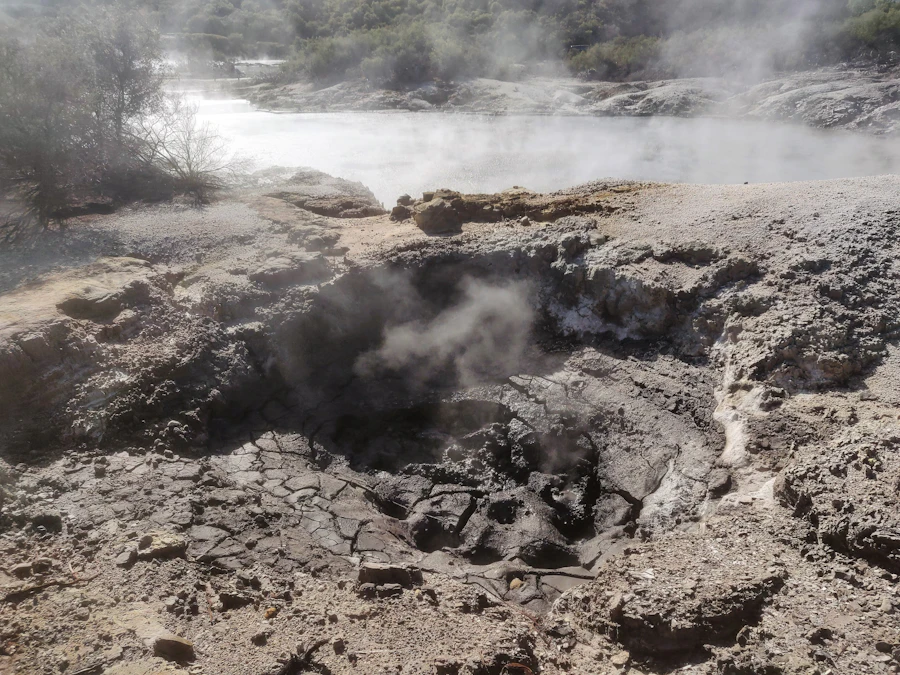
- Geothermal Power Domination: Leveraging the volcanic activity of the central North Island to provide highly reliable, 24/7 base-load power that wind and solar simply cannot match.
- The Southland Advantage: Repurposing the massive hydroelectric capacity of the southern lakes, especially as heavy industrial users scale back, to feed deep-south data ranches.
- Cool Climate Cooling: Utilizing New Zealand's temperate climate to dramatically lower the energy required for ambient server cooling, which typically accounts for nearly forty percent of a facility's power bill.
- Undersea Fiber Expansion: Securing new high-speed subsea cables across the Pacific to reduce latency and integrate New Zealand seamlessly into the Australian and Asian tech ecosystems.
The Grid is Creaking
"They need power. They need land. Most of all, they need cooling. We can offer all three, but our domestic consumers cannot bear the cost of upgrading the national grid to suit multinational corporations," notes a senior energy strategist in Wellington. The warning is clear. While the economic injection of billions of dollars is highly appealing, the local political fallout from rising power bills or potential brownouts could be severe. It seems that the government will have to tread carefully, ensuring that tech giants fund their own connection infrastructure rather than subsidizing it through local taxpayers.
A High-Stakes Balancing Act
Despite these domestic concerns, the momentum behind this green tech push is arguably unstoppable. Microsoft and Amazon Web Services have already established local cloud footprints, and international infrastructure funds are lining up to finance the next wave of developments. The transition is happening fast. Whether New Zealand can successfully scale its grid to meet this insatiable demand without sacrificing its clean, green image remains the defining economic question of the decade. The digital trenches are being dug, and Aotearoa is right in the middle of the gold rush.