The End of the Linguistic Car Crash
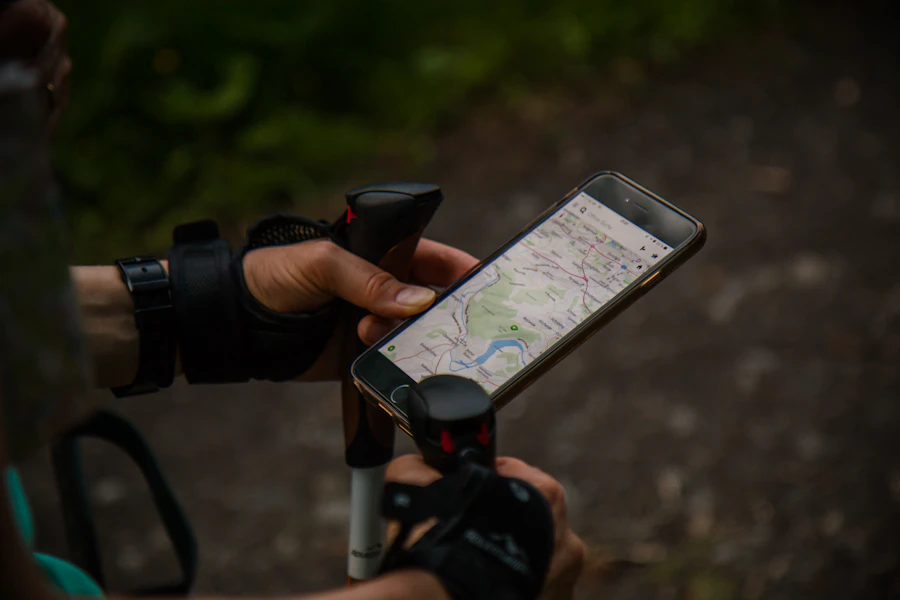
If you have ever driven through the streets of Auckland or navigated the highways of the North Island, you know the drill. A smooth, robotic, American-sounding voice suddenly stumbles, completely butchering "Whangārei" or "Tauranga." It was painful. It was jarring. A massive win for Te Reo Māori speakers, and arguably a long time coming. This July 2026, Google Maps has finally rolled out an update that fixes this digital blind spot, bringing native Kiwi accents and accurate Māori pronunciation directly to millions of smartphones across the country.
code CodeWhy Did it Take So Long?
Text-to-speech engines are notoriously bad at handling indigenous languages. Standard algorithms are trained on global English datasets, meaning they default to phonetic rules that do not apply to Te Reo Māori. For instance, the soft "wh" sound (which is pronounced as an "f") or the correct vocalisation of macron-marked vowels were systematically ignored. To fix this, Google did not just tweak its existing AI. They spent nearly two years working alongside Te Taura Whiri i te Reo Māori to train a new localized model. They fed the system thousands of hours of local recordings. The result is a voice that actually sounds like it belongs in New Zealand.
How the System Was Rebuilt
The overhaul of the voice engine relies on three major technical and linguistic adjustments:
- Linguistic Mapping: The system now recognises macrons (tohutō), which dictate vowel length and completely alter the meaning of Māori words.
- Local Accent Integration: The standard Kiwi drawl has been modeled, ensuring the transition between English street names and Te Reo names is seamless.
- Direct Crowdsourcing: Local communities and iwi (tribes) contributed to validating the pronunciation of historically significant rural roads.
More Than Just a Mapping Tool
"For our people, seeing our names written correctly is one thing, but hearing them spoken with respect is a completely different level of recognition. It acknowledges our presence on the land," says a local community leader from the Waikato region. The sentiment speaks for itself. It seems that global tech companies are finally realizing that localization requires more than just translating a user interface. It requires respecting the voice of the land itself.
What Happens Next?
The update is currently rolling out progressively to both iOS and Android users across Aotearoa. There are still occasional glitches in remote rural areas where names are deeply localized. But the foundation is solid. Google has also hinted that this technology will eventually be applied to other Google Assistant services, potentially setting a new global standard for how tech giants preserve and respect indigenous languages in the digital age. Aotearoa has finally found its voice on the digital map.